Resurfacing a road without first milling the damaged layer is a bit like painting over a cracked wall — the new surface might look fine for a while, but whatever caused the original damage is still there underneath, and it usually resurfaces faster than expected. Cold milling removes that compromised layer cleanly before anything new goes down, which is exactly why it's become the standard first step in road rehabilitation rather than an optional extra. This guide looks at how milling improves pavement performance, the technology driving productivity gains, and the practices that keep a rehabilitation project on schedule.
How Cold Milling Improves Pavement Performance
Cold milling is the process of mechanically removing an existing asphalt or concrete surface using a rotating drum fitted with cutting tools, producing a precisely levelled base at a specified width and depth. It's the step that determines whether a rehabilitation project actually fixes the underlying problem or simply covers it up.
Removing Damaged Asphalt Efficiently
Rutting, cracking, and oxidised asphalt don't heal themselves under a fresh overlay — the damaged material has to come out, or its defects telegraph straight through the new surface within a season or two of traffic loading. A milling machine strips away exactly the depth of damaged material specified, whether that's a thin fine-milling pass to correct surface texture or a full-depth removal down to the base layer, without disturbing sound pavement structure below it.
Preparing Roads for New Layers
A milled surface gives the new asphalt layer something to properly bond to — a clean, uniformly textured base rather than an aged, oxidised surface that resists adhesion. This bonding matters more than it might seem: a new overlay laid over a poorly prepared existing surface is prone to slippage and delamination under traffic load, regardless of how well the new mix itself was designed and compacted.
Modern Milling Technologies That Improve Productivity
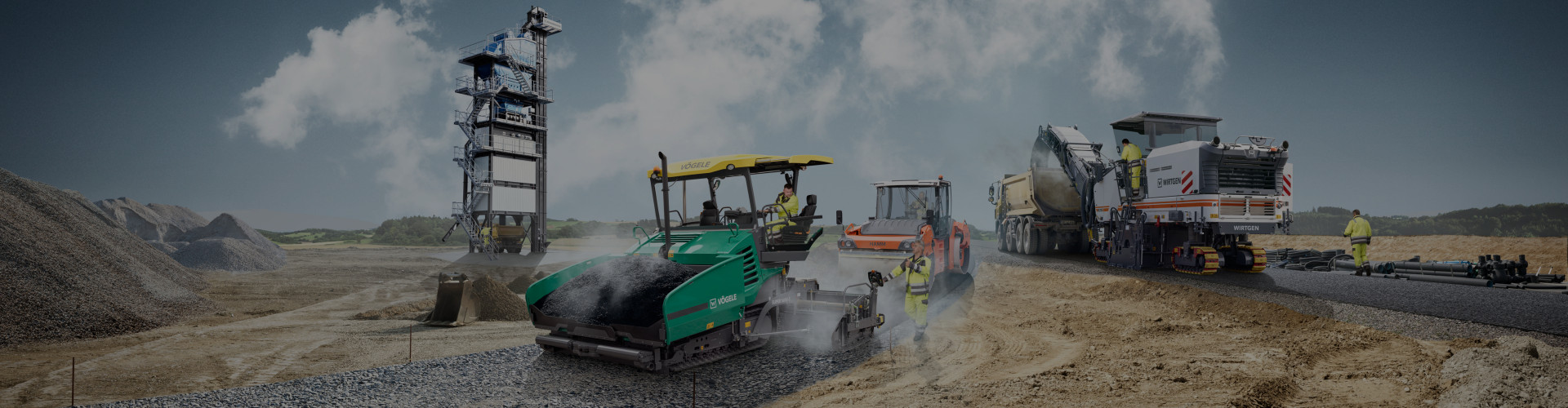
Milling technology has moved well beyond simply grinding away old asphalt — modern machines combine automated control systems with material handling capability that turns a purely destructive process into a productive, resource-recovering one. Our road construction equipment guide covers milling alongside paving and compaction equipment in more depth.
Precision Depth Control
Automated levelling systems on modern asphalt milling machine platforms control cutting depth and cross-slope to within a few millimetres across an entire pass, holding tolerances a manual operator adjusting depth by feel could never consistently match. This precision matters directly for pavement life — uneven milling depth creates an inconsistent base for the new layer, which shows up later as differential settlement or premature wear in the areas where too much or too little material was removed.
Material Recovery and Recycling
Milled asphalt, known as reclaimed asphalt pavement (RAP), can be separated by mix type during milling and reintroduced into new asphalt production rather than sent to landfill — a recovery process that reduces both material cost and the environmental footprint of a rehabilitation project. Contractors milling in layers to isolate different mix types during removal maximise how much of that material can be recycled at high percentages in the next paving cycle, rather than downcycling it into lower-value applications.
Best Practices for Successful Road Rehabilitation
Technology and machine precision only deliver their full value when the rehabilitation project itself is planned and sequenced correctly. Our road equipment durability guide covers how milling fits into the broader construction and compaction sequence that determines final pavement life.
Planning Milling Operations
Milling depth and drum selection need to be matched to the actual condition of the existing pavement, not applied as a blanket specification across an entire project — sections with deeper cracking or base failure need full-depth removal, while areas with only surface-level defects may only need fine milling. Coordinating milling output with the asphalt plant supplying the new road rehabilitation material keeps the project moving as one continuous sequence rather than stalling between the removal and paving stages, since milled sections left exposed for too long are vulnerable to weather damage and traffic intrusion before the new layer goes down.
Reducing Traffic Disruptions
Milling operations on active roads have to balance production rate against lane closure duration, since every additional hour of closure compounds traffic disruption and public complaint volume on high-traffic corridors. Night shift milling, phased lane closures, and high-output large milling machines that clear more surface area per pass are the standard tools contractors use to compress the disruption window on urban rehabilitation projects without compromising the quality of the milled surface.
Frequently Asked Questions
How deep does a road need to be milled during rehabilitation?
Milling depth depends on the extent of pavement damage — surface-level defects may need only a few centimetres of fine milling, while sections with base failure or deep cracking require full-depth removal down to a sound structural layer. A pavement condition survey should determine depth before milling begins, rather than applying one depth uniformly across a project.
Can milled asphalt actually be reused in new pavement?
Yes — reclaimed asphalt pavement (RAP) is commonly incorporated into new asphalt mixes at percentages that vary by specification and mix design. Milling in layers to separate material by type improves the quality and recyclability of the recovered asphalt compared to a single, mixed-depth pass.
Why does new asphalt sometimes fail shortly after resurfacing without milling first?
Without milling, a new overlay is laid directly onto an aged, oxidised surface that bonds poorly with fresh asphalt, and any underlying cracking or rutting isn't removed — it's simply covered. Both issues tend to reappear through the new surface well before the pavement reaches its intended design life.
Conclusion
Cold milling isn't a preliminary formality before the real work of paving begins — it's the step that determines whether a rehabilitation project actually resolves the underlying pavement problem or just delays its reappearance. Removing damaged material cleanly, controlling depth precisely, and recovering milled asphalt for reuse all compound into a rehabilitation project that performs as designed rather than failing early. Getting the planning and sequencing right around milling operations, particularly on active roads, is what separates a project that stays on schedule from one that fights traffic disruption every step of the way. If you're planning a road rehabilitation project and want guidance on the right milling equipment and sequencing for your site, Genavco's road construction specialists can help plan a setup suited to your project scope.