Two roads can look identical on the day they open to traffic and age at completely different rates. One develops rutting and potholes within two seasons; the other carries the same load for a decade with routine maintenance. The difference almost never comes down to the asphalt mix design alone — it comes down to the equipment that produced, laid, and compacted it. This guide looks at why equipment choice is the real determinant of pavement life, the machines that matter most, and the construction practices that make or break a road's durability.
Why Quality Equipment Is Essential for Road Construction
Road construction has very little tolerance for inconsistency. A mix that's perfectly designed on paper can still fail in the field if it's produced at the wrong temperature, laid unevenly, or compacted to the wrong density. Equipment is what translates a mix design into a finished road, and every stage — production, paving, and compaction — has to perform to the same standard for the pavement to reach its intended service life.
Equipment Selection for Durable Roads
Durability starts long before the first truckload of asphalt reaches the site. The mixing plant, paver, and rollers selected for a project determine the achievable tolerances for temperature control, mat thickness, and compaction density — and those tolerances directly translate into how many years the finished surface will last before rutting, cracking, or raveling sets in. Specifying equipment based on the project's scale and material requirements, rather than simply using whatever machine is available, is one of the most consequential decisions a road construction programme makes.
The Role of Asphalt Quality
Asphalt quality is determined at the mixing stage and preserved — or lost — at every stage afterward. Uneven drying, inconsistent aggregate heating, or poor bitumen dosing at the plant produces a mix that's already compromised before it reaches the paver. From there, temperature loss during haulage, uneven laying, and inadequate compaction each strip away more of the mix's designed performance. A high-quality plant sets the ceiling for what the finished road can achieve; everything downstream either protects that quality or erodes it.
Essential Machines Used in Road Construction
Three categories of equipment carry the weight of road quality: the plant that produces the mix, the paver that lays it, and the rollers that compact it. Our road construction equipment guide covers the full range including compaction and milling machines in more depth; the sections below focus on the two stages where quality is set and locked in.
Asphalt Plants
The asphalt mixing plant is where quality either gets built in or gets lost before the mix ever leaves the yard. Benninghoven asphalt plants use precise drying and mixing control to ensure uniform aggregate heating and consistent bitumen dosing across every batch, which matters more in the UAE's high ambient temperatures than in temperate climates where heat loss is less of a factor. Intelligent control technology manages temperature and material proportions in real time, reducing batch-to-batch variation that would otherwise show up as inconsistent mat quality on site.
Road Pavers
A paver's job is to transfer a hot, uniform mix onto the road surface at a consistent thickness and texture, without cooling or segregating the material in the process. Vogele pavers use precision screed technology and automatic configuration systems to hold layer thickness and mat texture steady across narrow city lanes and multi-lane highways alike. In extreme heat, maintaining the correct compaction window between the paver and the following roller pass becomes a genuine engineering challenge rather than a routine step, which is why screed heating control and paving speed are specified as carefully as the mix itself.
Improving Pavement Life Through Better Construction Practices
Even the best equipment can't compensate for shortcuts taken during preparation or execution. Pavement life is built in through disciplined practice as much as through machine specification.
Proper Surface Preparation
A new asphalt layer is only as good as the surface it's bonded to. Inadequate tack coat application, contaminated substrate, or uncorrected base-layer defects create weak points that propagate upward through the new surface within a few seasons of traffic loading, regardless of how well the asphalt itself was produced and laid. Surface preparation is rarely the most visible part of a project, but it's frequently the difference between a road that reaches its design life and one that needs early rehabilitation.
Temperature and Compaction Control
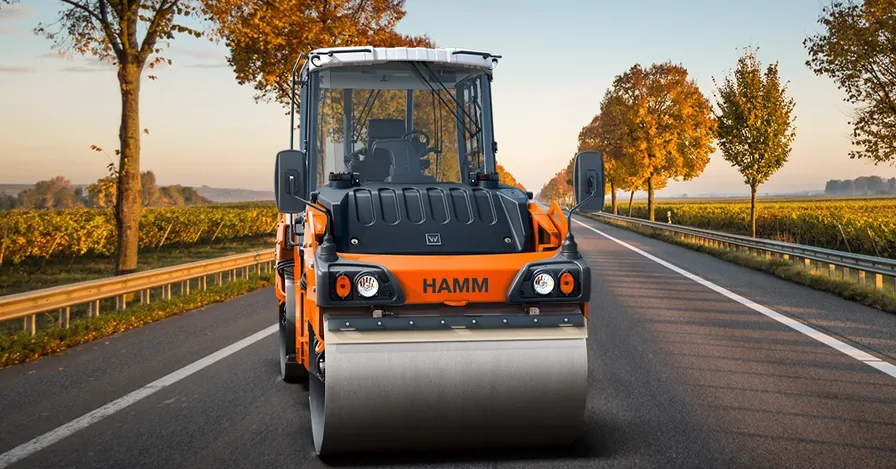
Compaction density is the single factor most directly linked to how long a road surface lasts — under-compacted asphalt allows water ingress, oxidation, and rutting to set in far earlier than the design intended. Hamm rollers use intelligent control systems that record compaction values across the full lane width in real time, giving contractors a verifiable quality record rather than relying on visual inspection alone. Asphalt has a narrow temperature window in which it can be properly compacted, and in UAE conditions, coordinating paving speed with roller availability to stay inside that window is as critical to final pavement quality as the mix design itself.
Frequently Asked Questions
Why do some roads fail years earlier than expected?
Early failure is usually traced to inadequate compaction, poor surface preparation, or asphalt that lost too much temperature before it was properly compacted — not a flawed mix design. These issues often aren't visible at handover and only surface after a season or two of traffic loading.
What compaction density should asphalt achieve to maximise pavement life?
Most road authorities specify a minimum of 98 to 100% of maximum dry density, verified through density testing. Falling short of this threshold, even by a small margin, significantly increases the risk of early rutting and water infiltration.
How does UAE heat affect asphalt paving and compaction?
High ambient temperatures extend the working window in some respects but also increase the risk of the mix overheating during production and haulage. Coordinating plant output, paver speed, and roller availability becomes more critical to keep the asphalt within its correct compaction temperature range.
Conclusion
A road's durability is decided long before the first vehicle drives on it — in the consistency of the mixing plant, the precision of the paver, and the thoroughness of the compaction that follows. Equipment quality sets the ceiling for what a road can achieve, but disciplined practice at every stage, from surface preparation to temperature control, is what actually delivers on that potential. Contractors who treat equipment specification and construction practice as equally important consistently produce roads that reach their full design life with less need for early rehabilitation. If you're planning a road construction or resurfacing project and want guidance on specifying the right plant, paver, and roller combination, Genavco's road construction specialists can help match equipment to your project's scale and material requirements.