Warehouse productivity depends heavily on selecting the right material handling equipment. From pallet movement to high-density storage, every operation demands equipment that matches the facility layout, load requirements, and workflow. Choosing the wrong forklift can increase downtime, reduce efficiency, and create unnecessary operating costs.
Modern warehouse environments require solutions that combine maneuverability, lifting performance, and storage optimization. Whether businesses are handling palletized goods, bulk inventory, or narrow aisle applications, selecting the right warehouse forklift directly impacts operational performance.
Types of Forklifts Used in Warehouses
Different warehouse operations require different forklift configurations. Understanding their applications helps businesses select equipment that aligns with productivity goals.
Electric Forklifts
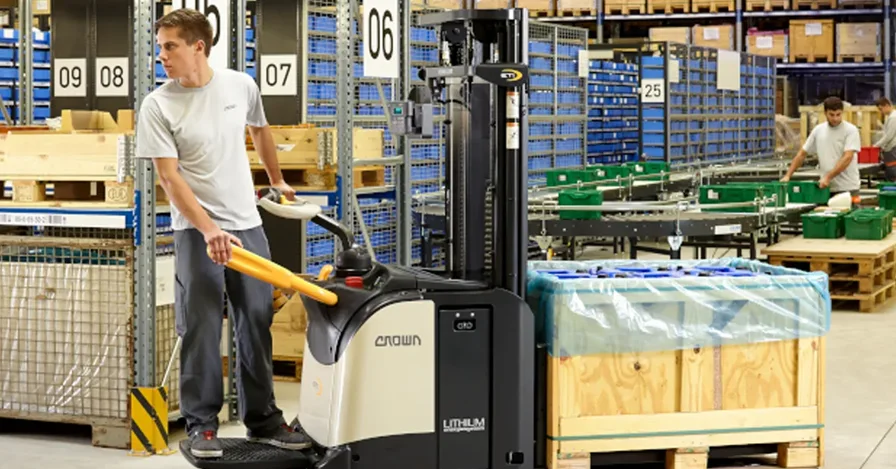
Electric forklifts are widely used in warehouses due to their low emissions, quieter operation, and reduced maintenance requirements. They are particularly suitable for indoor facilities where air quality and maneuverability are priorities.
Key advantages include:
- Lower operating costs
- Reduced noise levels
- Zero exhaust emissions
- Efficient battery-powered performance
- Suitable for distribution centers and logistics facilities
Electric forklift solutions are ideal for businesses focused on sustainability and efficient warehouse operations.
Reach Trucks and Articulated Forklifts
High-density storage facilities often require specialized equipment capable of operating within narrow aisles.
Reach Trucks
Reach trucks are designed for:
- High-racking applications
- Narrow warehouse aisles
- Increased stacking heights
- Improved storage utilization
Articulated Forklifts
Articulated forklifts provide:
- Exceptional maneuverability
- Operation in very narrow aisles
- Reduced aisle width requirements
- Enhanced warehouse space optimization
These solutions help maximize storage capacity while maintaining smooth material flow.
Key Factors to Consider Before Buying a Forklift
Selecting a forklift involves more than choosing a lifting machine. Operational requirements should guide the decision-making process.
Load Capacity Requirements
Understanding load weight and dimensions is essential before investing in a forklift.
Businesses should evaluate:
- Average load weight
- Maximum lifting requirements
- Load center specifications
- Future expansion needs
Using equipment with insufficient capacity may affect safety and productivity, while oversized machines can increase operating expenses unnecessarily.
Proper load analysis ensures reliable and efficient material handling performance.
Indoor vs Outdoor Applications
The working environment significantly influences forklift selection.
Indoor Operations
Indoor warehouses typically benefit from:
- Electric forklifts
- Compact designs
- Low-noise operation
- Clean energy solutions
Outdoor Applications
Outdoor environments may require:
- Pneumatic tires
- Higher ground clearance
- Increased durability
- Enhanced stability on uneven surfaces
Businesses with mixed-use facilities often assess both conditions before selecting material handling equipment.
Improving Material Handling Efficiency
Warehouse efficiency depends not only on forklifts but also on overall operational planning and storage systems.
Warehouse Layout Optimization
An optimized warehouse layout reduces unnecessary movement and improves workflow.
Important considerations include:
- Aisle width planning
- Traffic flow management
- Receiving and dispatch zones
- Storage accessibility
- Equipment maneuvering space
Efficient layouts help increase throughput while reducing operating costs.
Storage Solutions for Better Productivity
Storage systems play a major role in maximizing warehouse capacity.
Common solutions include:
- Selective pallet racking
- High-density storage systems
- Cantilever racking
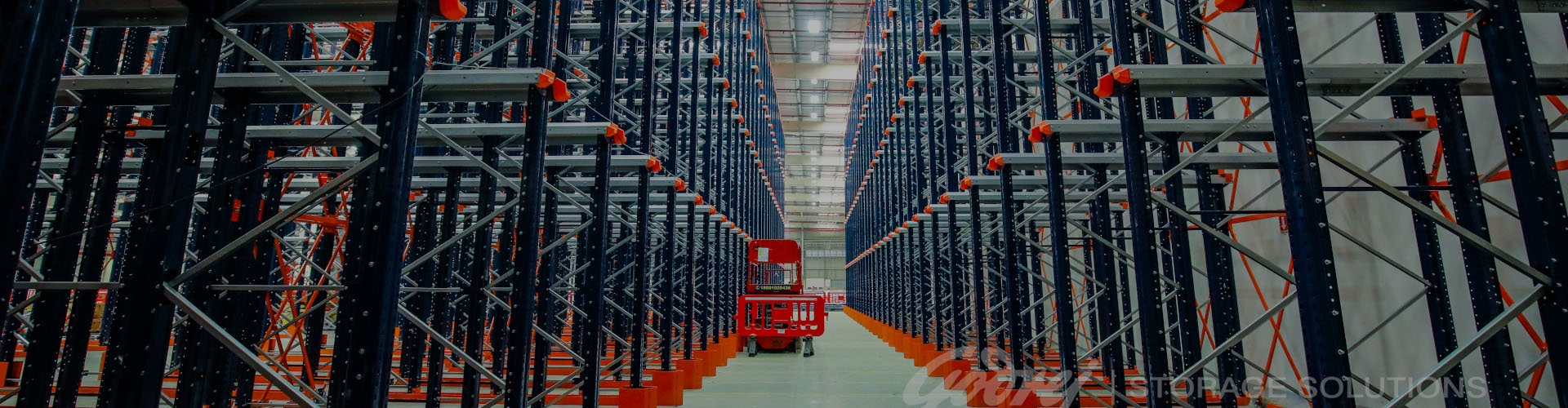
- Drive-in racking
- Modular storage configurations
Combining appropriate storage solutions with specialized forklifts allows warehouses to achieve better inventory management and faster order fulfillment.
Frequently Asked Questions
Which forklift is best for warehouse operations?
Electric forklifts are commonly preferred for indoor warehouse operations due to their efficiency, low maintenance requirements, and environmentally friendly performance. Reach trucks and articulated forklifts are suitable for narrow aisle environments and high-rack storage.
What factors should be considered before buying a warehouse forklift?
Businesses should evaluate load capacity requirements, lifting height, aisle dimensions, operating environment, battery or fuel preferences, and long-term productivity goals before selecting a forklift.
How do reach trucks improve warehouse efficiency?
Reach trucks are designed to access higher storage levels while operating in narrow aisles. They help maximize vertical storage space and improve overall warehouse capacity utilization.
Why Businesses Prioritize Reliable Material Handling Solutions
Warehouse operations vary across industries, and selecting the right equipment requires a clear understanding of load capacity, storage configurations, and workflow requirements. Businesses managing high-volume inventory often prioritize electric forklifts, reach trucks, and articulated forklifts to improve productivity and maximize storage space.
Choosing the appropriate warehouse forklift involves evaluating lifting requirements, operating conditions, and future expansion plans. Equipment that aligns with operational needs can reduce handling time, enhance workplace safety, and support efficient material movement.
GENAVCO offers material handling solutions from globally recognized brands, including Crown electric forklifts, Flexi articulated forklifts, and Godrej storage systems. These solutions are designed to help warehouses optimize space utilization and maintain consistent operational performance across diverse industries.
Conclusion
Selecting the right forklift involves understanding load requirements, warehouse layout, and operational goals. Electric forklifts, reach trucks, and articulated forklifts each serve specific applications and contribute to improved material handling efficiency. By combining suitable equipment with optimized storage solutions, businesses can enhance productivity and maximize warehouse space while supporting long-term operational performance.