Proper ground preparation is essential for achieving long-lasting results in construction and infrastructure projects. Whether building roads, preparing foundations, or compacting soil for landscaping applications, selecting the right compaction equipment directly impacts stability and performance. Both a soil compactor and plate compactors serve important roles, but their applications and operating capabilities differ significantly. Understanding these differences helps contractors choose equipment that aligns with project requirements and ground conditions.
Understanding Compaction Equipment
Why Soil Compaction Matters
Soil compaction is a critical step in construction because it improves load-bearing capacity and minimizes settlement issues. Proper compaction helps create stable surfaces for roads, pavements, and structural foundations while reducing the risk of cracks and uneven surfaces over time.
Using suitable compaction equipment also enhances drainage properties and contributes to the long-term durability of construction projects. This is why contractors prioritize selecting the right machine based on soil characteristics and project requirements.
Common Types of Compactors
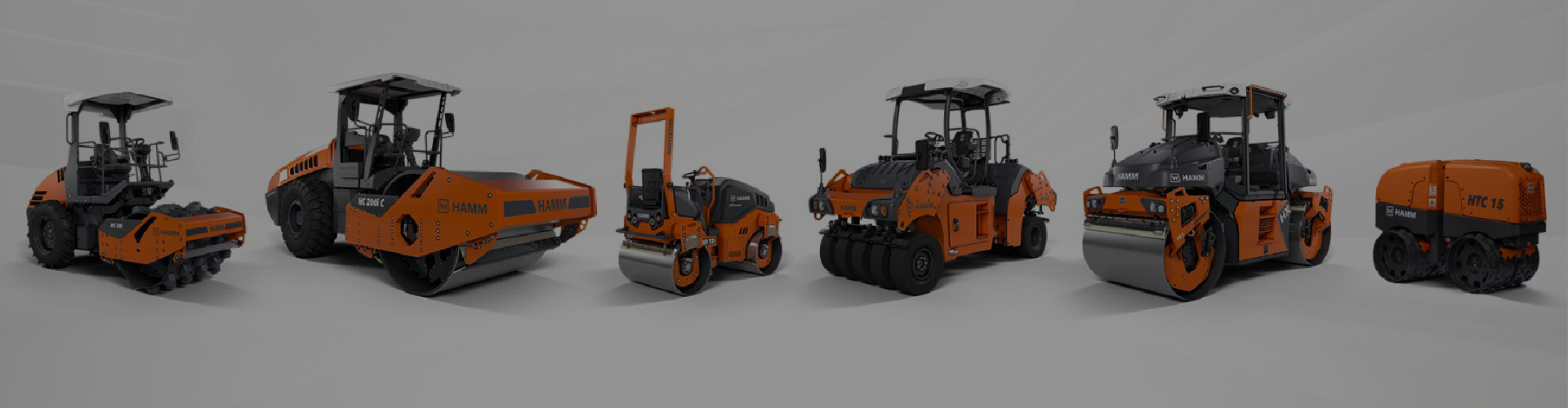
Different types of compactors are designed for specific applications. Large-scale projects often rely on a road compactor or soil compactor to achieve deep and uniform compaction over extensive areas.
For smaller jobs and confined spaces, plate compactors and a vibratory plate compactor provide efficient ground preparation while offering greater maneuverability. Depending on site conditions, contractors may also use specialized machines to optimize compaction performance.
Soil Compactors vs Plate Compactors
Applications and Performance
A soil compactor is commonly used for highway construction, infrastructure projects, and large earthworks where deep compaction and higher productivity are required. These machines are designed to handle extensive areas efficiently and deliver consistent results.
On the other hand, plate compactors are better suited for sidewalks, trenches, landscaping work, and smaller construction projects. A vibratory plate compactor offers excellent performance for compacting granular materials and preparing surfaces in restricted spaces.
Selecting the right machine depends on the type of material being compacted, the depth requirements, and the overall scale of the project.
Key Advantages of Each Machine
Both machines offer distinct advantages based on operational needs.
A soil compactor provides:
- Higher productivity for large areas
- Deep compaction performance
- Improved stability for road construction projects
Plate compactors offer:
- Greater maneuverability
- Efficient compaction in confined spaces
- Lower operating complexity
Understanding these strengths helps contractors optimize equipment usage and improve project efficiency.
Choosing the Right Machine for Your Project
Ground Conditions
Ground conditions play an important role when selecting compaction equipment. Factors such as soil type, moisture content, and compaction depth influence machine performance.
Loose or granular materials may require a vibratory plate compactor, while larger infrastructure developments often benefit from a road compactor capable of handling demanding conditions. Proper equipment selection helps ensure uniform compaction and long-term structural integrity.
Project Size Considerations
Project scale is another important factor in determining the most suitable machine. Large-scale developments typically require high-capacity compaction solutions, whereas smaller projects can be completed efficiently using compact and versatile plate compactors.
Contractors also consider accessibility and site limitations when selecting equipment. In projects involving elevated maintenance work or industrial facilities, complementary solutions such as a compact access platform, spider lift, or aerial work platform may support operational efficiency and improve access to difficult areas.
Why Contractors Depend on Reliable Compaction Equipment
Effective compaction is essential for ensuring the durability and performance of roads, foundations, and infrastructure projects. Contractors often rely on a combination of soil compactors, plate compactors, and specialized equipment to achieve consistent results under varying site conditions.
Manufacturers such as Hamm, Husqvarna, and ILG Industries provide solutions designed to address different compaction requirements. Their equipment portfolios support construction professionals in achieving better ground preparation while improving productivity and operational efficiency.
FAQs
What is the difference between a soil compactor and a plate compactor?
A soil compactor is designed for large-scale compaction and road construction projects, while a plate compactor is ideal for smaller areas, landscaping work, and confined spaces.
When should a vibratory plate compactor be used?
A vibratory plate compactor is commonly used for compacting granular materials, paving projects, walkways, and trench work where maneuverability and surface preparation are important.
How do ground conditions affect compaction equipment selection?
Ground conditions such as soil type, moisture levels, and required compaction depth determine whether a soil compactor, road compactor, or plate compactor is the most suitable option.
Conclusion
Choosing between a soil compactor and plate compactors depends on project size, ground conditions, and performance requirements. While a soil compactor delivers the power needed for large infrastructure and road construction projects, a vibratory plate compactor provides flexibility and efficiency for smaller applications. By selecting suitable compaction equipment and considering site-specific requirements, contractors can improve ground stability, enhance productivity, and achieve long-lasting construction results.