Understanding Warehouse Storage Systems
Selective Racking Systems
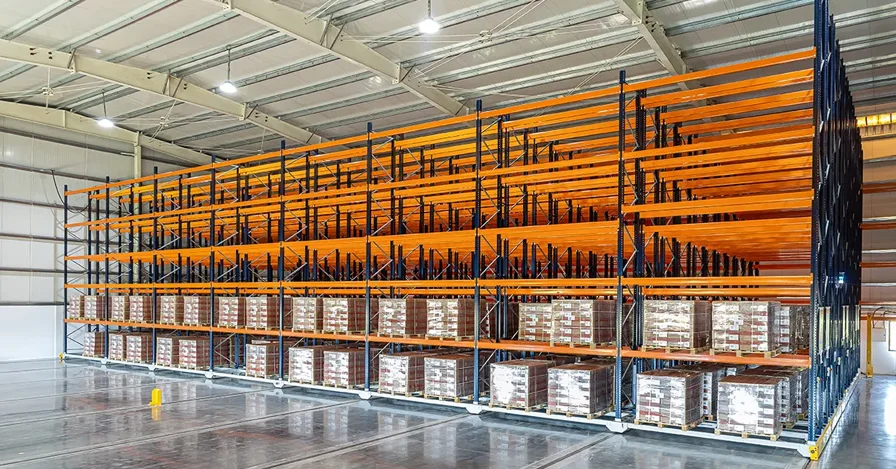
Selective racking systems are among the most widely used warehouse storage solutions due to their accessibility and flexibility. They provide direct access to individual pallets, making inventory management more efficient. These systems are suitable for distribution centers, retail warehouses, and manufacturing facilities where fast stock retrieval is essential.
High-Density Storage Solutions
High-density storage solutions help maximize available warehouse space while reducing aisle requirements. Designed for facilities handling large volumes of inventory, these systems improve storage efficiency and support streamlined material handling processes. Businesses seeking better space utilization often adopt high-density configurations to increase operational capacity.
Types of Pallet Racking Solutions
Drive-In Racks
Drive-in racks are designed to store large quantities of similar products while optimizing warehouse floor space. They allow forklifts to enter storage lanes, making them suitable for high-volume inventory applications. These systems are commonly used in cold storage facilities, manufacturing units, and distribution centers.
Cantilever Racking Systems
Cantilever racking systems are ideal for storing long, bulky, or irregularly shaped materials. Industries dealing with pipes, timber, steel bars, and construction materials rely on these systems to improve organization and accessibility. Their open-front design allows easy loading and unloading while maximizing storage flexibility.
Maximising Storage Capacity
Role of Forklifts in Warehouse Management
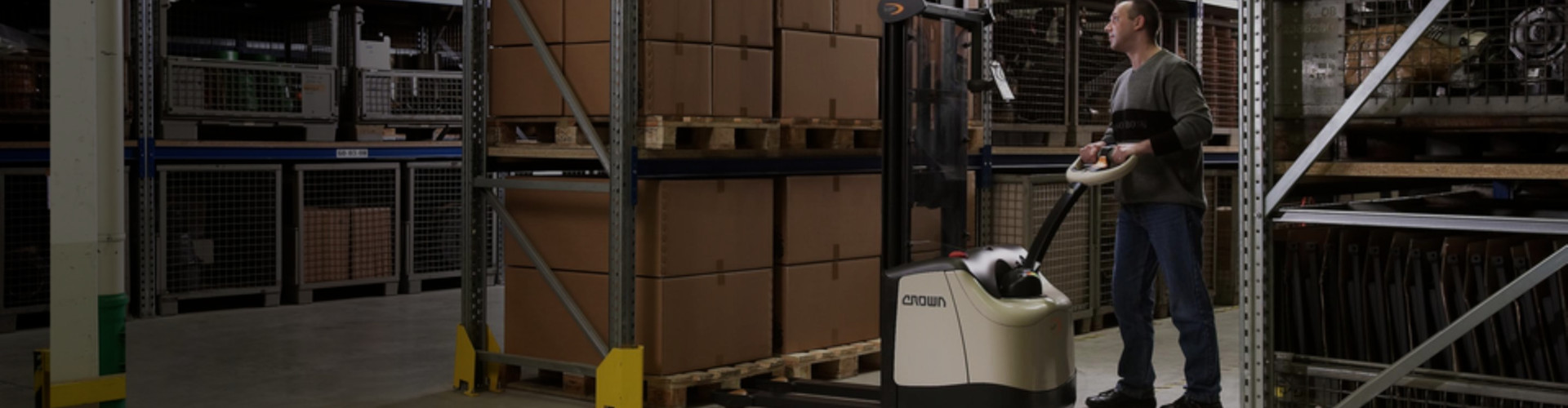
Forklifts play a critical role in warehouse operations by enabling efficient movement, loading, and stacking of materials. Equipment such as electric forklifts, articulated forklifts, and reach trucks help businesses improve productivity while ensuring smooth inventory flow. Integrating suitable material handling equipment with storage systems contributes to better warehouse performance.
Warehouse Automation Trends
Warehouse automation continues to reshape modern storage facilities. Automated systems, intelligent inventory management, and optimized material handling processes help businesses reduce operational delays and enhance efficiency. As warehousing requirements evolve, automation technologies are becoming increasingly important for maintaining productivity and supporting future growth.
Why Businesses Invest in Reliable Storage and Material Handling Solutions
Effective warehouse management requires more than installing storage racks. Businesses must evaluate inventory movement, space utilization, and material handling requirements to create efficient storage environments. Selecting suitable pallet racking systems and warehouse solutions helps improve accessibility, reduce operational bottlenecks, and support long-term growth.
Modern facilities often combine selective racking systems, drive-in racks, and cantilever racking systems with specialized material handling equipment to optimize productivity. Solutions from globally recognized brands, including Crown, Flexi, and Godrej storage systems, support warehouses across various industries by enhancing operational efficiency and maximizing storage capacity.
FAQs
Which pallet racking system is best for warehouse storage?
The ideal pallet racking system depends on inventory type, storage density requirements, and warehouse layout. Selective racking systems are preferred for accessibility, while drive-in racks are suitable for high-density storage applications.
How do warehouse storage systems improve efficiency?
Warehouse storage systems help maximize available space, improve inventory organization, and support smoother material handling operations. Proper storage configurations can enhance productivity and reduce operational costs.
Why are forklifts important in warehouse management?
Forklifts facilitate the safe movement and stacking of materials, enabling warehouses to handle inventory efficiently. Equipment such as electric forklifts and reach trucks contributes to improved workflow and better utilization of storage systems.
Conclusion
Efficient warehouse operations depend on selecting storage solutions that align with inventory requirements and operational goals. From selective racking systems and drive-in racks to cantilever racking systems and advanced material handling equipment, every component contributes to improved productivity and space optimization. By implementing well-planned warehouse storage systems, businesses can enhance inventory management and build scalable operations that support long-term efficiency.