Sustainability in road construction rarely comes down to a single dramatic change. It's built from a series of practical decisions, running an asphalt mixing plant more efficiently, recycling milled material instead of hauling it away, and choosing equipment that gets more useful life out of every tonne of material and every litre of fuel consumed.
This guide covers how road recycling and modern asphalt plants technology support more sustainable infrastructure, how road construction equipment choices reduce waste, and how tandem rollers and asphalt pavers lower lifecycle costs across a project.
Asphalt Mixing Plants and Road Recycling: Building Sustainable Infrastructure
Sustainability in asphalt production starts well before paving begins, in how efficiently the mixing plant itself operates and how much of the material it processes gets a second useful life rather than becoming waste.
What Makes an Asphalt Mixing Plant More Sustainable
Modern plants reduce fuel consumption per tonne through better burner efficiency and heat recovery systems, and increasingly support higher percentages of reclaimed asphalt in the mix without sacrificing final product quality. Plants capable of processing a meaningful proportion of recycled material alongside virgin aggregate reduce both the energy needed to produce fresh material and the volume of old asphalt sent to landfill.
Road Recycling: Reducing Waste During Construction
Milling old asphalt and reprocessing it into new mixes cuts the volume of fresh aggregate that needs to be quarried and the volume of old material that needs to be hauled away and disposed of. On large rehabilitation and resurfacing programmes, this kind of recycling can meaningfully reduce a project's total material footprint while also lowering direct material costs.
Asphalt Plants and Road Construction Equipment That Support Sustainability
Equipment choices across the full production and paving chain each contribute their own share to a project's overall sustainability profile. Our detailed guide to road construction equipment: pavers, rollers and milling machines covers this equipment range across every stage of the process.
Modern Asphalt Plant Technologies for Sustainable Mixing
Digital control systems that precisely manage mix temperature and material proportioning reduce the overheating and material waste that older, less precise plants often produce as a byproduct of imprecise control. This precision translates directly into less wasted energy and less off-specification material that would otherwise need to be reprocessed or discarded.
Road Construction Equipment: Benefits of Recycling-Ready Machinery
Cold milling machines built for precise depth control recover reclaimed asphalt in a condition well suited to reprocessing, rather than degrading it during removal in a way that limits how much can be reused. Choosing recycling-ready machinery at the milling stage is what makes high reclaimed asphalt content in the finished mix actually achievable further down the production chain.
Tandem Rollers and Asphalt Pavers: Lower Lifecycle Costs on Road Projects
Sustainability and lifecycle cost are closely linked, since equipment that lasts longer and requires fewer repeat interventions consumes fewer resources over a road's full service life. Our comparison of soil compactors and plate compactors is a useful companion resource for understanding how compaction equipment choice affects long-term outcomes.
Tandem Roller Compaction and Long-Term Maintenance Savings
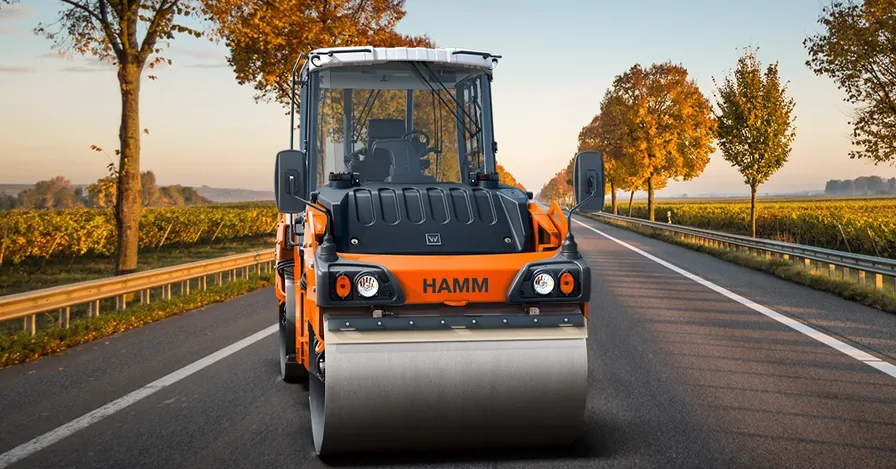
Consistent, correctly executed compaction from tandem rollers reduces water infiltration and premature rutting, extending the interval between resurfacing cycles and reducing the total material and equipment resources consumed over a road's service life. A road compacted properly the first time simply needs less intervention over the decades that follow than one where compaction was rushed to save time.
Asphalt Pavers: Improving Resource Utilisation on Site
Modern asphalt pavers with precise material flow control minimise the amount of mix wasted through overproduction, cool-down before placement, or inconsistent laying that requires patching. A walk behind roller used for the smaller finishing areas a full-size paver and roller combination can't reach helps ensure consistent compaction extends across the entire surface, not just the main pass, avoiding localised weak spots that would otherwise need early repair.
FAQs
How much reclaimed asphalt can modern plants actually use in new mixes?
This varies by plant technology and mix design requirements, but modern plants with proper heating and blending control can incorporate a substantial proportion of reclaimed asphalt without compromising final product performance, well above what older plant designs could reliably manage.
Does sustainable road construction cost more upfront?
Not necessarily. Road recycling typically reduces material costs by cutting fresh aggregate purchases and disposal fees, meaning sustainable practices often lower project cost rather than adding to it, alongside the long-term maintenance savings from proper compaction.
How does compaction quality affect a road's environmental footprint?
Roads compacted correctly the first time need fewer resurfacing interventions over their service life, directly reducing the cumulative material, fuel, and equipment resources consumed in maintaining that road over the decades that follow.
Conclusion
Sustainable road construction is built from practical, compounding decisions rather than a single major investment. Running the asphalt mixing plant efficiently, recovering material through road recycling wherever possible, and selecting equipment that delivers proper compaction and material control on the first pass all combine to reduce both the environmental footprint and the lifecycle cost of road construction projects across the region.
Industries This Guidance Applies To
The principles in this guide apply across the range of sectors GENAVCO supports with road construction and asphalt production equipment, including government and municipal road authorities, highway and expressway contractors, private infrastructure developers pursuing sustainability targets, general civil contractors managing paving works, and recycling operations processing reclaimed asphalt. While specific sustainability priorities vary by project, the underlying approach, reducing waste through recycling and extending service life through proper compaction, holds across all of these operating environments.
Recommendations are informed by equipment supplied and supported across these sectors in the UAE, giving practical grounding in how sustainable road construction practices perform under real project conditions rather than only in theory. Any specific plant configuration or recycling target should still be validated against an individual project's own specification and material constraints, since no general guide can substitute for a proper project-specific assessment.