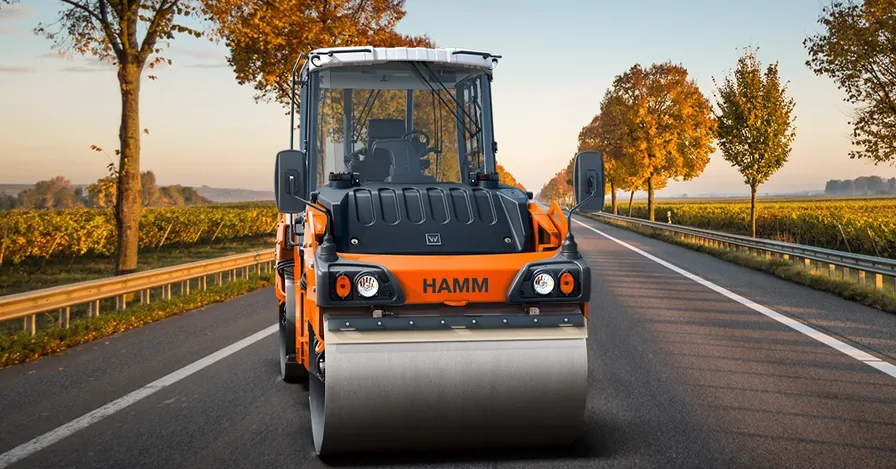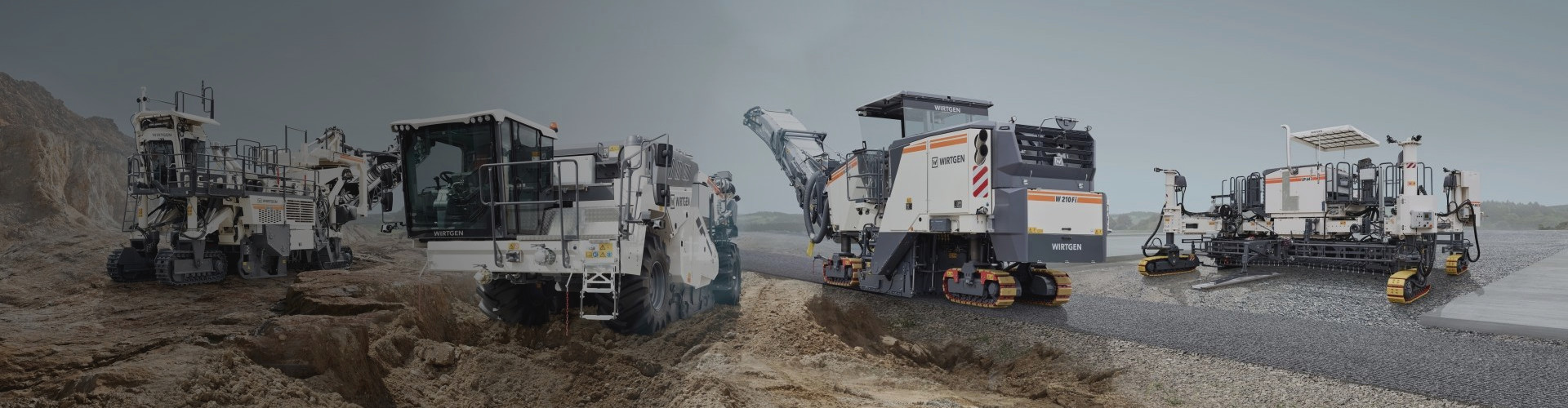
Maintaining road infrastructure requires more than resurfacing damaged pavements. Before a new asphalt layer is applied, deteriorated pavement must be removed accurately to create a stable foundation. An asphalt milling machine performs this task efficiently by removing worn asphalt while preserving the underlying structure. Used alongside bitumen spray tankers, asphalt plants, and other road construction equipment, milling technology helps contractors deliver smoother, longer-lasting roads while reducing material waste.
What Is Asphalt Milling?
Understanding Surface Removal
Asphalt milling is the process of removing the top layer of an existing pavement without disturbing the underlying base. An asphalt milling machine uses a rotating drum fitted with cutting teeth to grind and collect asphalt, creating a uniform surface for rehabilitation.
This process is commonly used for highways, urban roads, airport runways, and industrial pavements where damaged asphalt needs to be replaced without reconstructing the entire road structure.
Recycling Existing Asphalt
One of the major advantages of modern milling is the ability to recycle removed pavement materials. The reclaimed asphalt can be processed and reused in future paving projects, helping reduce raw material consumption and construction costs.
A cold milling machine supports sustainable road construction by enabling contractors to recover valuable asphalt materials while minimizing waste sent to landfills.
Advantages of Cold Milling Technology
Cost Savings and Sustainability
Cold milling allows contractors to rehabilitate existing roads without removing the complete pavement structure. This reduces material requirements, transportation costs, and project duration.
By recycling asphalt and minimizing unnecessary excavation, contractors can improve environmental performance while lowering overall construction expenses. Modern road maintenance equipment also helps improve project efficiency by reducing downtime during rehabilitation work.
Improved Surface Preparation
Proper surface preparation is essential for achieving durable pavement performance. Milling removes surface defects such as rutting, cracks, and uneven areas, creating a clean and level foundation for new asphalt.
Once milling is completed, a bitumen spray tanker or bitumen distributor applies a uniform binder coat before fresh asphalt is placed. This process improves bonding between pavement layers and contributes to longer-lasting road surfaces.
Equipment Used in Road Rehabilitation Projects
Asphalt Plants
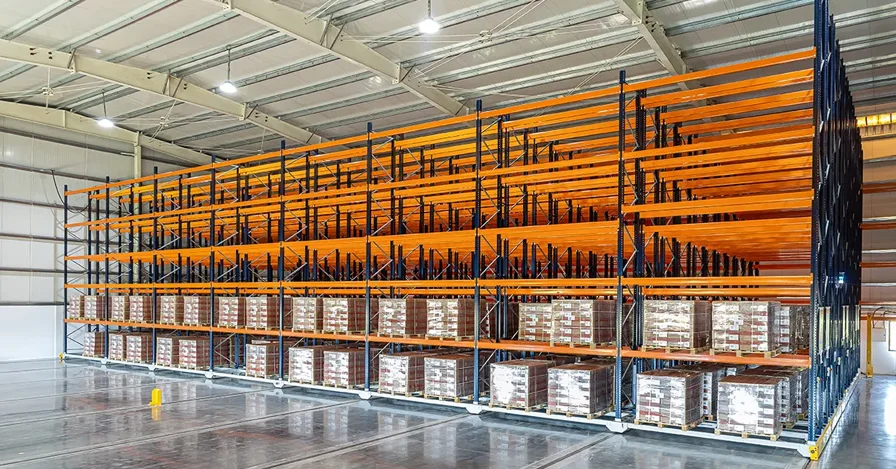
Reliable asphalt plants produce high-quality asphalt mixtures that replace the material removed during milling. Maintaining consistent asphalt quality helps contractors achieve uniform pavement performance and meet project specifications.
Efficient coordination between milling operations and asphalt production minimizes project delays and improves construction workflow.
Bitumen Spray Tankers
A bitumen spray tanker plays an important role after milling by applying a controlled layer of bitumen before paving begins. Accurate spraying ensures strong adhesion between the prepared surface and the new asphalt layer.
Together with an asphalt milling machine, bitumen distribution equipment supports efficient pavement rehabilitation while improving road durability and construction quality.
FAQs
What is an asphalt milling machine used for?
An asphalt milling machine removes damaged asphalt layers before resurfacing, creating a smooth foundation for new pavement while preserving the underlying road structure.
How does a cold milling machine improve road rehabilitation?
A cold milling machine removes deteriorated asphalt accurately and allows reclaimed material to be recycled, reducing construction waste and lowering project costs.
Why is asphalt milling important before resurfacing?
Milling removes uneven pavement, improves surface preparation, and creates better bonding conditions for new asphalt, resulting in stronger and longer-lasting roads.
Conclusion
An asphalt milling machine plays a vital role in modern pavement rehabilitation by removing damaged asphalt, improving surface preparation, and supporting material recycling. When combined with reliable asphalt plants, bitumen spray tankers, and other road construction equipment, milling technology helps contractors complete road maintenance projects more efficiently while delivering durable, high-quality pavement surfaces.