Access equipment gets far less attention than the structures it's used to build, yet choosing the wrong aerial work platform for a task is one of the more common causes of both lost productivity and preventable safety incidents on site. Every MEWP category, scissor lift, boom lift, or vertical mast, is engineered for a specific combination of reach, terrain, and load, and using the wrong type doesn't just slow a job down, it introduces risk that shouldn't be there in the first place.
Understanding how to match access equipment to the actual application, the safety practices that keep working at height genuinely safe, and how modern platforms improve productivity gives site teams a clearer basis for equipment decisions than defaulting to whatever happens to be available.
Which Aerial Work Platform Is Best for Your Application?
The right platform depends on the height needed, the terrain it will operate on, and whether the work requires vertical access only or the ability to reach up and over obstacles.
Scissor Lift vs Cherry Picker: What's the Difference?
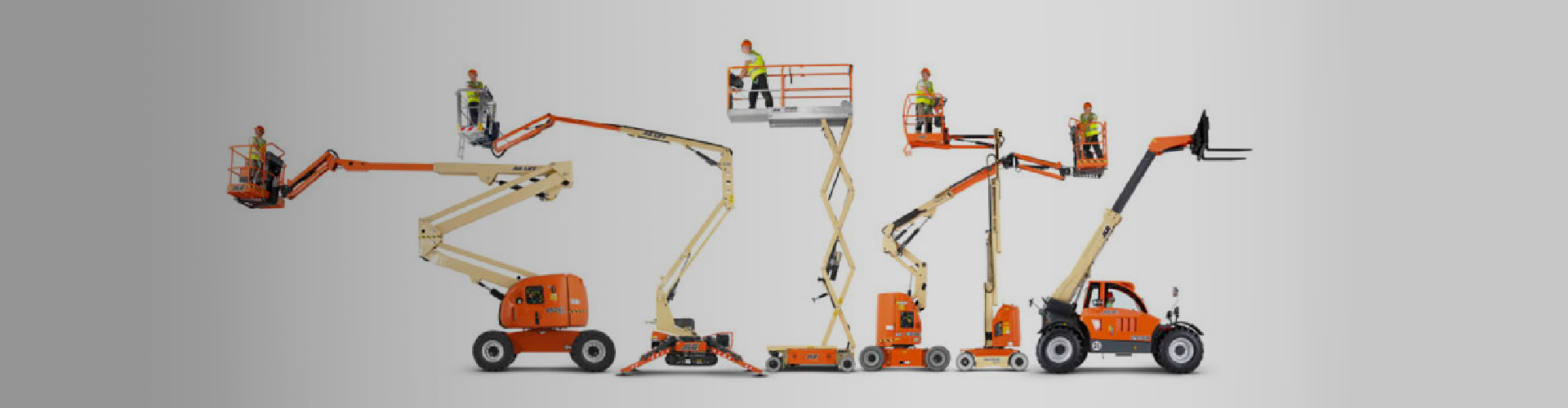
A scissor lifts moves straight up and down within the footprint of its base, making it ideal for tasks directly above the machine such as ceiling work or high shelving access. A cherry picker, or boom lift, extends outward and over obstacles, giving it the reach needed for tasks like façade maintenance or working around equipment that a purely vertical platform simply cannot get close to.
Indoor vs Outdoor Access Equipment
Indoor work generally favours electric platforms with non-marking tyres and a compact footprint suited to smooth floors and doorway widths, while outdoor work on uneven ground typically requires rough-terrain configurations with greater ground clearance and stability. Choosing equipment designed for the wrong environment doesn't just reduce efficiency, it can create genuine stability risks on ground the machine wasn't built to handle.
Safety Practices for Elevated Work Platforms
Working at height carries risks that don't exist at ground level, and the equipment itself is only part of a genuinely safe operation. Our detailed guide on what every contractor should know about height access equipment covers UAE-specific regulatory requirements and operator certification standards in more depth, and our guide to how to choose the right forklift for warehouse operations looks at similar equipment-matching principles for material handling rather than height access.
Common Working at Height Hazards
Falls, tip-overs on unstable or uneven ground, and contact with overhead obstructions such as power lines remain the most common causes of incidents involving aerial platforms. Many of these hazards are entirely preventable through proper equipment selection, harness use, and a documented pre-use inspection, which is exactly why these steps aren't optional extras but core parts of safe operation.
Daily Inspection Checklist Before Operation
A pre-shift check covering hydraulic function, tyre or track condition, guardrails, control response, and harness anchor points catches developing issues before a platform is put into service. Skipping this step to save a few minutes is one of the most preventable ways an otherwise well-maintained machine ends up involved in an avoidable incident.
Improving Productivity with Modern Access Equipment
Beyond safety, the technology built into modern platforms has a real effect on how much work gets done during a shift and what it costs to keep the equipment running.
How Electric Platforms Reduce Operating Costs
Electric-powered elevated work platform models eliminate fuel costs and reduce maintenance associated with combustion engines, while also allowing use in enclosed or noise-sensitive environments where diesel or petrol equipment isn't practical. Over the working life of a fleet, this combination of lower running cost and broader usability often outweighs the higher upfront purchase price compared with combustion-powered alternatives.
Selecting Equipment for Confined Spaces
Compact vertical mast lifts and narrow-chassis scissor lifts allow access through standard doorways and tight aisles where larger platforms simply cannot fit. Matching platform width and turning radius to the actual confined-space constraints of a site avoids the productivity loss that comes from selecting equipment too large for the environment it needs to operate in.
FAQs
What is the difference between a MEWP and an aerial work platform?
MEWP (mobile elevating work platform) is the formal regulatory term used across categories including scissor lifts, boom lifts, and vertical mast lifts. Aerial work platforms are generally used interchangeably to describe the same broad equipment category.
Do operators need certification to use an aerial work platform in the UAE?
Yes. UAE standards require operators to hold appropriate certification for the specific platform category they're using, with training typically delivered through IPAF-accredited centres covering both static and mobile platform types.
How do I choose between a scissor lift and a boom lift?
A scissor lift suits tasks directly above its base position, while a boom lift is the better choice whenever the work requires reaching outward or around obstacles that a purely vertical platform cannot access.
Conclusion
Choosing the right access equipment for a specific task is one of the clearest ways to protect both productivity and safety when working at height. Matching platform type to reach and terrain requirements, following documented inspection and safety practices, and selecting modern electric equipment where it fits the application all combine to make elevated work genuinely efficient rather than a recurring source of risk and delay on site.