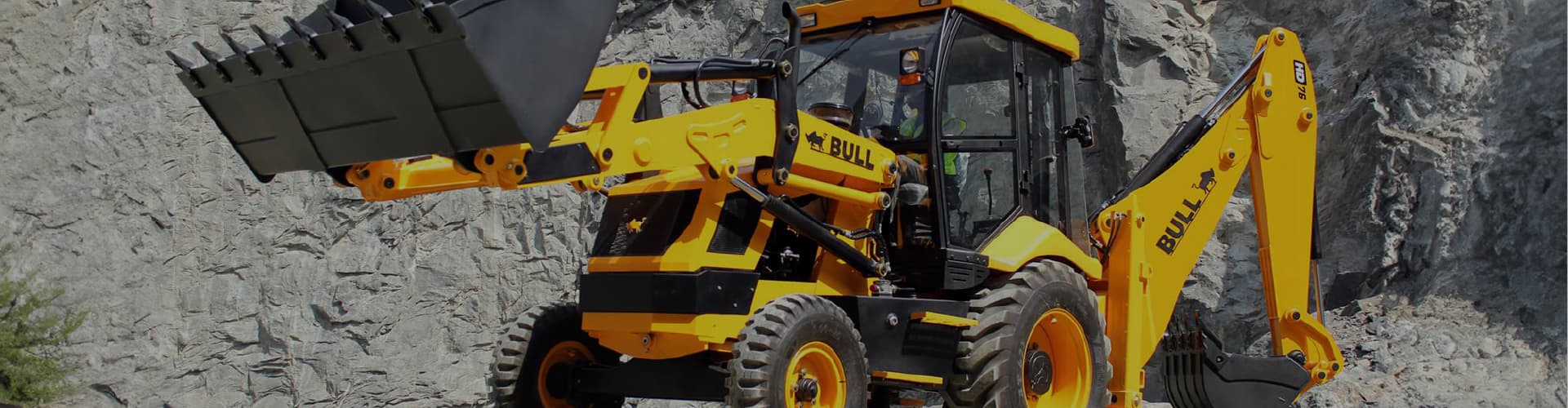
Ask any site manager which piece of construction equipment runs the longest hours in a shift, and the answer is often the wheel loader. Once seen as a simple support machine, today's loader has become central to how efficiently a job site moves material, load after load, hour after hour. Advances in hydraulics, cab design, and fuel management have turned the modern loader into one of the highest-utilisation assets in any heavy equipment fleet.
Understanding what actually drives loader performance, and how to select the right machine for a specific industry, helps businesses get more consistent site productivity from what is frequently their busiest piece of earthmoving equipment.
Why Wheel Loaders Are Essential for Modern Construction
Wheel loaders have earned their place at the centre of modern job sites because no other machine matches their combination of speed, capacity, and flexibility for continuous material movement.
Faster Material Loading
A wheel loader's large bucket capacity and fast hydraulic cycle allow it to fill haul trucks in fewer passes than most alternative equipment. On sites where trucking is the bottleneck, this speed advantage directly increases the number of loads moved per hour, which has a compounding effect on total daily output across the project.
Reduced Equipment Cycle Times
Cycle time, the full loop of loading, travelling, dumping, and returning, is the clearest indicator of how productively a loader is being used. Shorter cycles come from a combination of responsive hydraulics, tight turning geometry, and well-planned site layout that keeps stockpiles and loading points close together, reducing unnecessary travel distance between cycles.
Features That Improve Loader Performance
Beyond raw specifications, several design features have a direct, measurable effect on how much a loader actually delivers over a full working shift. Our guide to why automatic transmissions improve performance in heavy equipment looks in more detail at how powertrain technology contributes to this kind of performance gain.
Operator Comfort and Visibility
Wide-angle visibility, ergonomic controls, and reduced cab vibration all help operators maintain focus and precision over long shifts. Fatigue has a direct link to slower cycle times and increased risk of minor collisions or misjudged loads, so cab design is increasingly treated as a productivity feature rather than just a comfort upgrade.
Fuel-Efficient Hydraulic Systems
Modern hydraulic systems are tuned to deliver full lifting and digging force only when needed, reducing unnecessary fuel burn during lighter tasks. Combined with efficient engine management, this lowers total fuel cost per tonne moved, which matters most on sites running multiple loaders across extended shifts.
Selecting the Right Wheel Loader for Different Industries
The demands placed on a wheel loader vary significantly by industry, and matching the machine to its intended application is one of the most important purchasing decisions a business will make. Our broader guide to the best earthmoving equipment for UAE construction and infrastructure projects covers how loaders fit alongside other machines across different project types.
Quarry Operations
Quarry environments demand continuous, high-volume loading of abrasive material, often across multiple shifts with minimal downtime. Here, structural durability, engine power, and tyre performance under harsh conditions become the deciding factors, since machines are expected to sustain heavy-duty cycles for years without major failure.
Industrial Material Handling
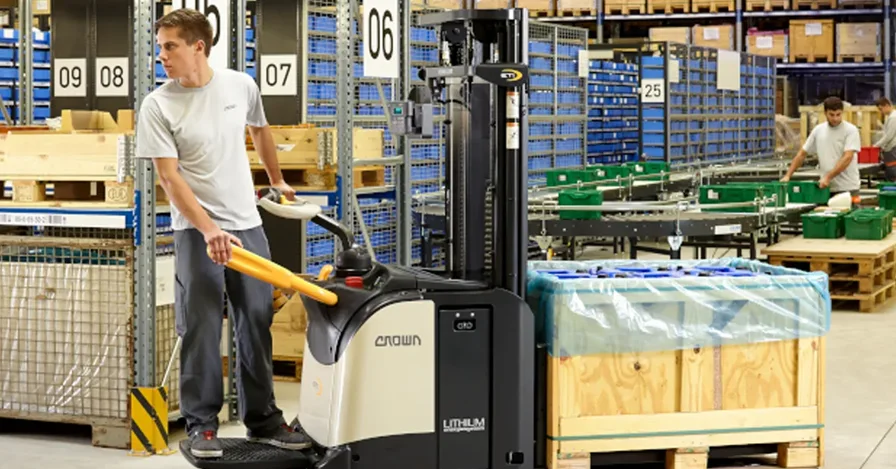
In industrial and warehouse-adjacent settings, wheel loaders are often used for bulk material handling, such as moving aggregate, scrap, or bagged goods between storage areas and processing points. These applications typically prioritise manoeuvrability and precise load placement over sheer bucket capacity, favouring more compact and agile machine configurations.
FAQs
What makes a wheel loader more productive than other loading equipment?
Its combination of speed on hard surfaces, large bucket capacity, and short cycle times allows a wheel loader to move more material per hour than most alternative machines, particularly when working alongside haul trucks on continuous loading tasks.
How does cab design affect wheel loader performance?
Better visibility and reduced operator fatigue lead to more consistent cycle times and fewer errors during loading, particularly over long shifts. Cab comfort is increasingly recognised as a direct contributor to productivity rather than a secondary comfort feature.
Which wheel loader features matter most for quarry work?
Structural durability, engine power, and tyre performance under abrasive conditions matter most in quarry environments, where machines run continuous high-volume cycles across extended shifts with limited tolerance for downtime.
Conclusion
Modern wheel loaders have moved well beyond their reputation as simple support machines, now driving site productivity across construction, quarrying, and industrial material handling operations alike. Businesses that pay close attention to hydraulic performance, operator comfort, and industry-specific requirements when selecting a loader consistently see stronger returns from this workhorse of the earthmoving equipment fleet, regardless of the scale or setting of the job site.