Most fleet conversations start with acquisition — what to buy, how many, which brand. Far fewer start with the question that actually determines whether that fleet is profitable: how much of the time a machine is available, is it actually working? Utilisation is the single metric that connects fleet size, project planning, and maintenance discipline into one number, and yet it's one of the least consistently tracked figures in construction. This guide explains what equipment utilisation actually measures, what typically drags it down, and the practical steps that move it in the right direction.
What Is Equipment Utilisation?
Equipment utilisation measures the proportion of available working time that a machine is actually engaged in productive work, as opposed to sitting idle, under repair, or unavailable for other reasons. It's a simple ratio in concept, but capturing it accurately requires distinguishing between several categories of non-productive time that often get lumped together in a rough estimate.
Measuring Equipment Productivity
Utilisation is typically calculated as productive operating hours divided by total available hours over a given period, but the accuracy of that number depends entirely on how consistently "available" and "productive" are defined across a fleet. A machine sitting on a yard waiting for the next project is unavailable in a different sense than one broken down mid-project, and lumping both into a single idle-time bucket obscures which problem is actually driving low utilisation — poor scheduling or poor reliability.
Common Utilisation Benchmarks
Utilisation rates vary considerably by equipment category and project type, but fleets that track the metric consistently generally aim for utilisation in the range that reflects genuine productive deployment rather than a machine that's simply present on site without being engaged. What matters more than hitting an industry-average number is establishing a fleet's own baseline and tracking the trend — a declining utilisation rate on a specific machine or category is usually the earliest warning sign of a scheduling or reliability problem worth investigating.
Factors That Reduce Fleet Utilisation
Utilisation rarely drops because of one obvious cause — it's usually the compound effect of scheduling gaps and equipment reliability issues working against each other. Our equipment downtime cost guide covers the downtime side of this equation in more depth.
Poor Project Planning
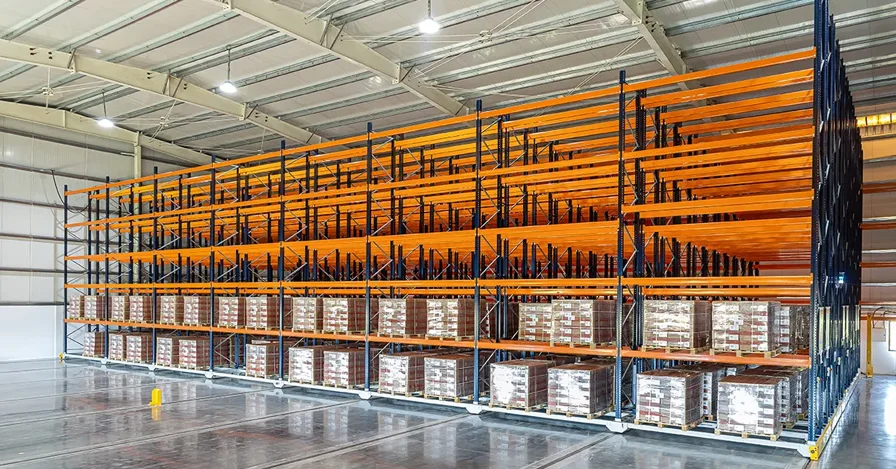
A machine scheduled for a project that gets delayed, or specified before the actual scope of work is finalised, often sits available but unassigned — not broken, just poorly matched to a schedule that shifted after the equipment plan was locked in. Construction equipment sitting idle between poorly sequenced project phases represents exactly the kind of utilisation loss that has nothing to do with the machine itself and everything to do with how far in advance equipment planning was tied to a schedule that later changed.
Equipment Downtime
Unplanned repairs remove a machine from the available pool entirely, and on heavy equipment running demanding duty cycles, unplanned downtime compounds faster than it might on lighter-use equipment, since the same machines carrying the heaviest workload are also the ones with the least maintenance slack if a repair runs long. Every hour spent waiting on parts or diagnosis is an hour subtracted directly from utilisation, regardless of how well the rest of the fleet is scheduled.
Strategies to Improve Equipment Utilisation
Improving utilisation doesn't usually require buying less equipment or working machines harder — it requires better visibility into where time is actually being lost across the fleet.
Digital Fleet Tracking
Telematics systems that log engine hours, location, and idle time turn utilisation from a rough estimate into a measured figure, making it possible to see exactly which machines in a fleet management programme are underperforming and why. This visibility is what makes it possible to distinguish a scheduling problem from a reliability problem in the first place — without hour-level data, both simply look like "low utilisation" with no clear lever to pull to fix it.
Preventive Maintenance
Scheduled maintenance keeps machines in the available pool rather than pulling them out unexpectedly, which is the most direct lever a fleet has over the downtime component of utilisation. Because unplanned repairs typically take longer and cost more than the same work done on a scheduled basis, a consistent maintenance programme improves utilisation and reduces total maintenance spend at the same time, rather than trading one against the other.
Frequently Asked Questions
What is a good equipment utilisation rate for construction machinery?
Target rates vary by equipment category and project type, so an industry average is less useful than tracking a fleet's own baseline over time. A meaningful decline in utilisation on a specific machine or category is a more actionable signal than comparing against a generic external benchmark.
How is equipment utilisation different from equipment availability?
Availability measures whether a machine is capable of working — not broken down or under repair. Utilisation measures whether it's actually being used productively during the time it's available. A machine can be fully available but poorly utilised if it's sitting idle due to scheduling gaps rather than mechanical issues.
Can improving utilisation reduce the total size of fleet a company needs?
Often, yes. A fleet with consistently low utilisation may be carrying more equipment than the actual workload requires, with idle machines masking the true demand. Improving scheduling and reliability first, before adding more equipment, frequently reveals that the existing fleet can cover more work than assumed.
Conclusion
Utilisation matters because it's the metric that ties fleet size, scheduling discipline, and maintenance practice into a single, trackable number — and low utilisation is almost always a symptom of a specific, fixable cause rather than an unavoidable cost of doing business. Distinguishing scheduling gaps from reliability problems, and using telematics data to see which is actually driving a low number on a given machine, turns utilisation from an abstract concept into a concrete improvement plan. Fleets that track this consistently tend to discover they need less equipment, not more, to cover the same workload. If you're reviewing your fleet's performance and want help improving utilisation across your equipment, Genavco's fleet specialists can help identify where time is being lost and how to recover it.