A stalled excavator looks like a small problem from the site office — one machine, one breakdown, one afternoon lost. On the ground, it rarely stays small. Downtime on a single piece of heavy equipment ripples through the whole crew, the schedule, and the client relationship long after the machine is back in service. This guide breaks down what equipment downtime actually costs, why it happens, and the practical steps that keep fleets running instead of sitting idle.
Understanding the True Cost of Equipment Downtime
Most cost estimates for downtime only count the repair invoice. That's the smallest part of the bill. The real cost includes idle crew wages, rescheduled subcontractor slots, extended equipment rental to cover the gap, and in many contracts, liquidated damages tied to a missed handover date. A single hydraulic failure on a crawler excavator can put all of these in motion within hours.
Direct Financial Losses
Every hour a machine sits idle, the meter is still running on everything around it — operator wages, equipment finance payments, insurance, and site overheads that don't pause just because the excavator has. Add in emergency parts freight, after-hours labour rates for urgent repairs, and the cost of bringing in a substitute machine, and a breakdown that looked like a routine repair often ends up several multiples more expensive than the same fix done during scheduled maintenance.
Delayed Project Completion
Construction schedules are built on sequence — excavation before foundations, foundations before structure. A downed excavator doesn't just stop digging; it stalls every trade waiting behind it. This is the same ripple effect covered in our guide on how equipment strategy affects project timelines, and it applies just as directly to earthmoving fleets as it does to any other category of construction equipment. On projects with penalty clauses attached to the handover date, a few days of downtime early in the programme can compound into weeks of delay by the time the project reaches finishing trades.
Common Causes of Unexpected Equipment Failures
Unexpected failures are rarely as random as they look. Trace most of them back far enough and they land on one of two root causes: maintenance that was skipped, or a machine that was never right for the job in the first place.
Lack of Preventive Maintenance
Hydraulic excavators run under constant load-cycling — dig, swing, dump, repeat — which puts sustained stress on seals, hoses, pumps, and undercarriage components. Skipping scheduled fluid analysis, filter changes, or track tension checks doesn't eliminate the wear; it just delays the point where it shows up as a failure instead of a service line item. Manufacturer-specified maintenance intervals exist because they're calibrated to the actual duty cycle of the machine, not to a generic calendar.
Poor Equipment Selection
A mining-grade crawler excavator and a mid-range construction excavator can look similar from a distance, but they're engineered for entirely different duty cycles. Undersized machines running at their limit on abrasive material or continuous heavy digging fail faster than correctly specified equipment running comfortably within its rated capacity. Matching operating weight, bucket capacity, and hydraulic flow to the actual application — not just the closest machine available — is one of the most effective ways to prevent avoidable breakdowns before a project even starts.
Strategies to Reduce Downtime and Increase Productivity
Reducing downtime isn't about reacting faster once something breaks — it's about catching the signs before a failure happens at all.
Predictive Maintenance Technologies
Modern excavators increasingly ship with onboard telematics that track engine hours, fluid condition, hydraulic pressure trends, and fault codes in real time. Shantui crawler excavators, Predictive maintenance shifts the entire model from fixing failures to preventing them, and on high-utilisation machines the payback shows up quickly in reduced unplanned downtime.
Equipment Monitoring Systems
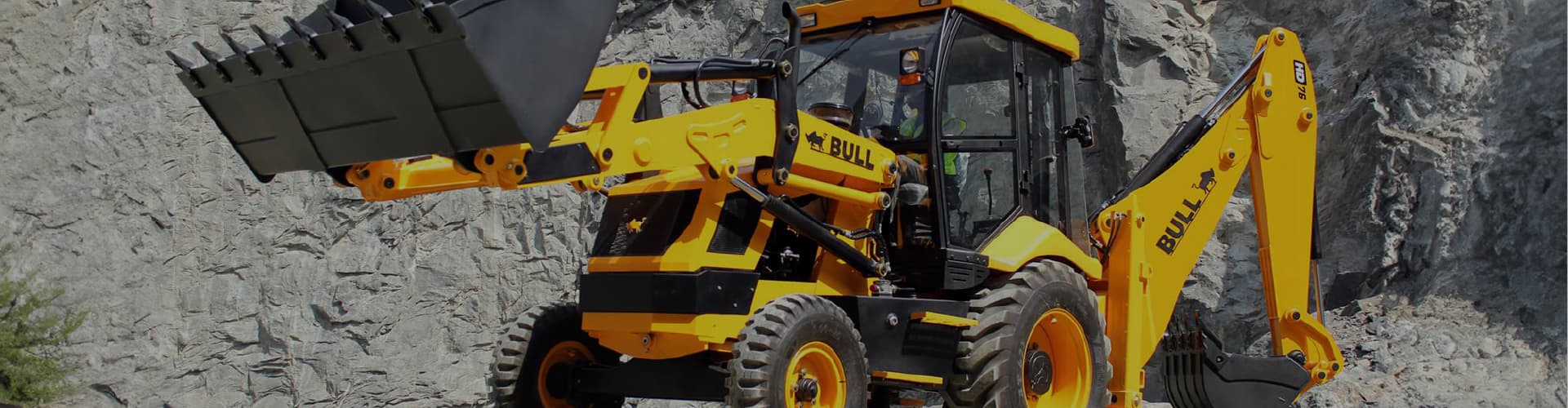
Beyond the excavator itself, fleet-wide monitoring across Bull backhoe and wheel loaders and Avant compact loaders gives site managers a single view of utilisation, idle time, and fault alerts across every machine on site rather than checking each one individually. This is especially valuable on multi-machine earthmoving projects where several excavators, loaders, and support equipment are working the same programme — a monitoring dashboard makes it possible to spot the one underperforming machine before it becomes the one that stops the job. Our earthmoving equipment guide covers how to match machine categories to your site conditions as part of this broader fleet planning approach.
Frequently Asked Questions
How much does excavator downtime typically cost a project?
The true figure depends on crew size, contract penalties, and how long the machine is out, but the indirect costs — idle labour, rescheduling, and rental cover — usually exceed the repair bill itself. Tracking total downtime cost, not just the invoice, gives a far more accurate picture for future equipment budgeting.
Is preventive maintenance worth the cost on older excavators?
Yes — arguably more so than on newer machines. Older hydraulic systems and undercarriages have less tolerance for delayed servicing, and a structured maintenance schedule is usually far cheaper than the breakdown it prevents, especially on machines still expected to carry a full workload.
What's the difference between a mining excavator and a standard crawler excavator?
Mining excavators are built for continuous, high-tonnage cycles in abrasive material, typically with reinforced structures and higher engine output. A standard crawler excavator is engineered for general construction duty cycles and isn't rated for the same sustained extraction workload.
Conclusion
Equipment downtime is never just a repair bill — it's idle crews, slipping schedules, and knock-on costs that compound the longer a machine sits still. Most of it is preventable with the right combination of correctly specified equipment, a maintenance schedule that matches the actual duty cycle, and monitoring systems that catch problems while they're still small. Fleets that treat uptime as something to actively manage, rather than something to hope for, consistently spend less time firefighting and more time on the job. If you're reviewing your excavator or earthmoving fleet and want help matching machines and maintenance plans to your project, Genavco's equipment specialists can walk through your requirements and recommend a setup built to stay productive.