Buying industrial equipment one purchase at a time, a generator here, an air compressor there, rarely produces the coordinated setup a facility actually needs. Power backup, compressed air, material handling, and construction equipment all interact with each other in practice, and treating each purchase in isolation is how facilities end up with equipment that technically works but never quite performs as a system.
This guide walks through what industrial buyers should actually weigh when choosing generators, compressors, and heavy equipment, and how to build these purchases into a coordinated set of industrial solutions rather than a collection of disconnected decisions.
Industrial Equipment and Generators: What Buyers Need Now
Industrial equipment decisions carry more weight than they used to, as facilities run leaner and have less tolerance for the downtime a wrong equipment choice can cause.
Why Industrial Equipment Decisions Go Beyond the Spec Sheet
Capacity and horsepower figures on a spec sheet say little about how a machine will actually perform under a facility's specific duty cycle, ambient conditions, and maintenance access. Buyers who evaluate equipment purely on paper specifications frequently discover the real limitations only after installation, when service response time, parts availability, and real-world efficiency turn out to matter just as much as the numbers that were compared beforehand.
Generators and Backup Power: A Growing Priority for Industrial Buyers
Backup power has moved from a contingency line item to a core part of operational planning for facilities that can't tolerate even brief outages. Selecting generators sized correctly for actual peak load, with load management and regular test-run discipline built in, is what determines whether that backup system actually performs when it's genuinely needed rather than becoming an expensive assumption.
Air Compressors and Material Handling Equipment: Buying for the Long Term
Compressed air and material handling systems are often specified around current needs alone, without enough allowance for how facility demand tends to change over an equipment's working life.
What to Look for in an Industrial Air Compressor
An air compressor should be sized against actual peak air demand rather than a rough estimate, with attention to air treatment components like filtration and drying that protect downstream equipment. Buyers who focus purely on compressor horsepower while treating filtration and drying as an afterthought often end up with a system that technically meets output targets but delivers air quality that damages the equipment it's meant to serve.
Material Handling Equipment: Matching Machines to Facility Needs
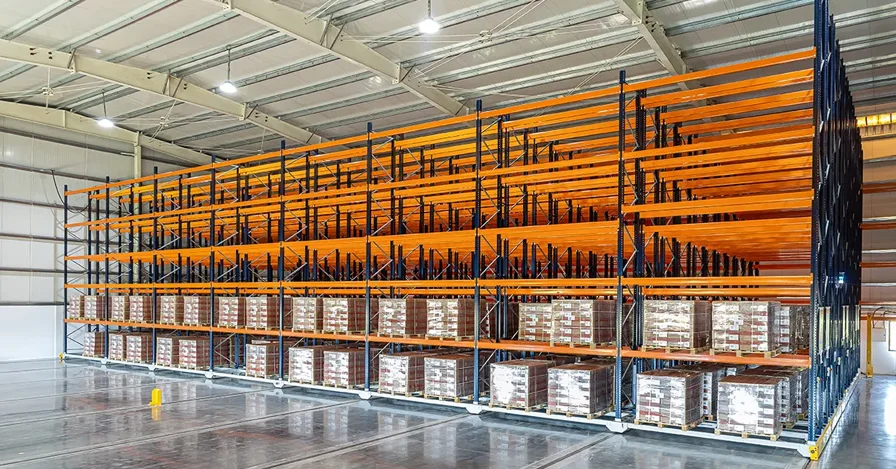
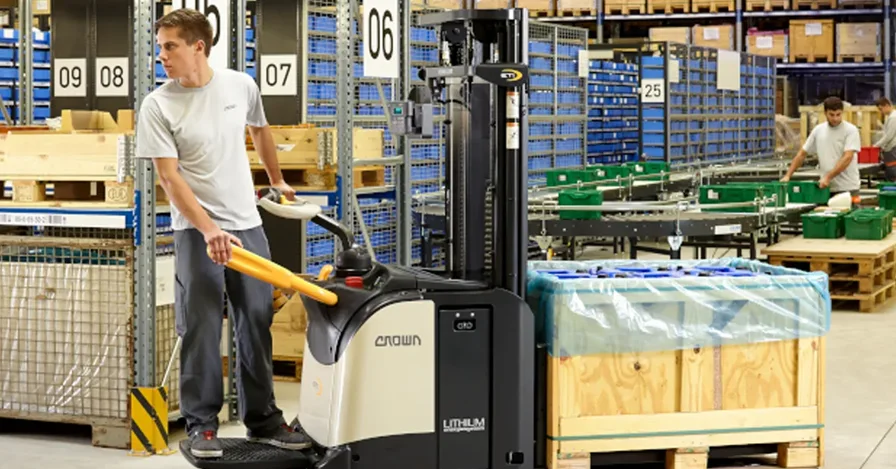
Forklifts, pallet trucks, and racking systems need to be selected around actual facility layout and throughput rather than generic industry defaults. A facility with narrow aisles and high-turnover inventory has fundamentally different equipment needs than one handling bulky, low-frequency material, and specifying equipment without this context typically leads to either wasted capacity or persistent operational bottlenecks.
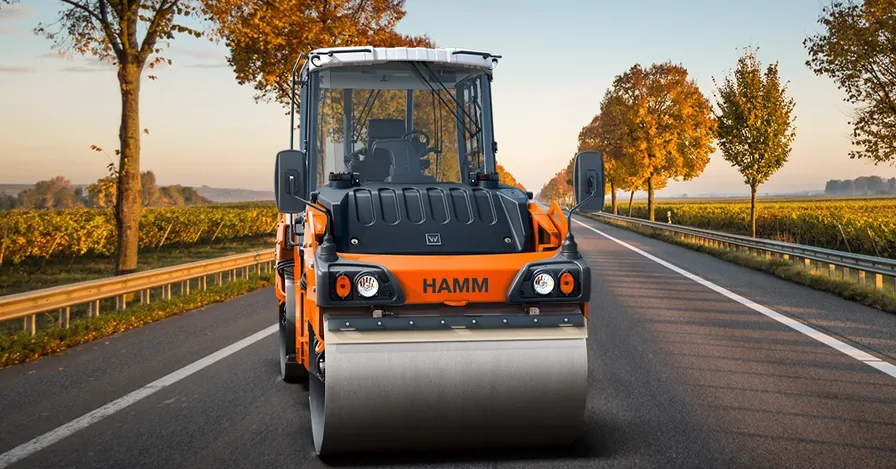
Construction and Heavy Equipment: Building a Complete Industrial Solution
For facilities also managing construction or expansion projects alongside daily operations, construction equipment decisions need to fit into the same long-term thinking as fixed industrial equipment. Our guide to the best earthmoving equipment for UAE construction and infrastructure projects covers this selection process for construction-specific machinery in more depth.
Construction Equipment Support Beyond the Purchase
The purchase price of any piece of heavy equipment is only the starting point of its total cost. Parts availability, service response time, and technical support quality all shape how much a machine actually costs to keep running over its working life, and these factors deserve the same scrutiny during selection as the equipment specification itself.
Heavy Equipment Lifecycle Value: Why Support Matters More Than Price
A lower purchase price rarely translates into lower total cost if it comes bundled with slow service response or hard-to-source parts. Our related guide to why automatic transmissions improve performance in heavy equipment looks at how component reliability and support access drive long-term equipment value just as much as the original purchase decision.
FAQs
What should industrial buyers prioritise beyond equipment specifications?
Service response time, parts availability, and how well equipment fits the facility's actual duty cycle and conditions matter as much as headline capacity figures, since these factors determine real-world performance and total running cost over the equipment's working life.
How should industrial equipment purchases be planned across a facility?
Equipment categories such as power, compressed air, material handling, and construction support interact in practice, so purchases planned together, rather than evaluated in isolation, typically produce a more coordinated and cost-effective outcome than piecemeal buying decisions.
Why does equipment support matter as much as price?
Equipment that's cheaper to buy but slower to service or harder to source parts for often costs more over its working life through extended downtime, making support quality a genuine cost factor rather than a secondary consideration.
Conclusion
Industrial equipment decisions carry more weight than a single spec sheet comparison can capture. Selecting generators, compressors, material handling equipment, and heavy equipment as part of one coordinated plan, with support and lifecycle cost weighed alongside purchase price, consistently delivers better long-term outcomes than treating each purchase as an isolated transaction.
Industries This Guidance Applies To
The principles in this guide apply across the range of sectors GENAVCO supports with industrial and heavy equipment, including manufacturing and processing facilities, oil and gas support operations, construction and infrastructure contractors, warehousing and logistics operations, and utilities and facility management providers. While the specific equipment mix varies by sector, the underlying approach, planning power, compressed air, material handling, and heavy equipment together rather than in isolation, holds across all of these operating environments.
Recommendations are informed by equipment supplied and supported across these sectors in the UAE, giving practical grounding in how industrial equipment decisions perform under real operating conditions rather than only in theory. Any specific equipment selection or facility plan should still be validated against an individual operation's own data and constraints, since no general guide can substitute for a proper site-specific assessment.