Most delays on a construction project trace back to a fleet decision made months earlier, not a problem that appeared overnight. Whether it's an earth moving equipment mix that doesn't suit the site's terrain or a machine sized wrong for the scale of the job, fleet composition quietly determines how fast a project actually moves. Building the right fleet from the outset is far cheaper than correcting a mismatch halfway through a programme.
Understanding which machines suit which tasks, how to match equipment to project requirements, and how to keep a fleet productive once it's deployed gives contractors a much stronger foundation for reliable project delivery than assembling equipment on an ad hoc basis.
Which Earthmoving Equipment Does Your Project Need?
Most earthmoving fleets are built around a small set of core machines, each suited to a different combination of task, terrain, and material.
When Should You Choose an Excavator?
An excavator earns its place on a project whenever precise digging, trenching, or material handling is required, particularly around underground utilities or existing structures where accuracy matters. A wheeled excavator adds road mobility for projects requiring frequent relocation between sites, trading some stability for the ability to travel under its own power rather than needing transport for every move.
What Jobs Are Best Suited for a Bulldozer?
A bull dozer is the right choice for bulk earthmoving tasks such as rough grading, clearing, and pushing large volumes of material over short distances. Its pushing power and wide blade make it far more efficient than an excavator for these tasks, even though the two machines are sometimes used together across different phases of the same job.
How to Match Equipment to Project Requirements
Beyond machine type, site-specific conditions determine which configuration of a given machine actually performs well. Our comprehensive wheel loader, backhoe loader and excavator guide covers this decision in more detail across the full range of earthmoving categories.
Choosing Equipment Based on Terrain Conditions
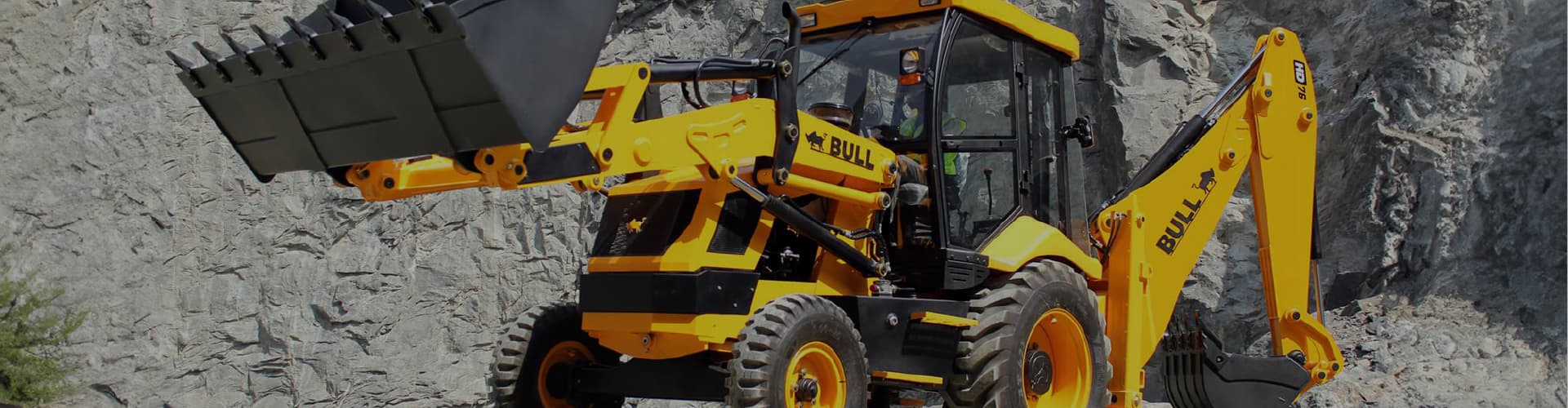
Soft or unstable ground favors tracked machines that distribute weight over a wider area, while firm, level surfaces allow wheeled equipment to move faster between tasks without sacrificing stability. A backhoe loader often performs well across mixed terrain conditions, combining digging and loading capability in a single machine suited to smaller, varied sites.
Matching Machine Size to Project Scale
Oversized equipment on a small site wastes capital and struggles to manoeuvre in confined space, while undersized machines on large projects create bottlenecks that slow the entire programme down. A skid steer loader suits compact, confined sites where manoeuvrability matters more than raw capacity, while larger infrastructure projects typically need a mix of machine sizes matched to different zones of the same site.
How to Improve Fleet Productivity on Construction Sites
Once the right fleet is assembled, how it's operated day to day determines whether it actually delivers the productivity it's capable of. Our comparison of backhoe loaders vs excavators is a useful companion resource for teams weighing these two commonly overlapping machine categories.
Reducing Idle Equipment Time
Machines sitting idle between tasks represent lost value on equipment that's often leased or financed at a fixed daily cost regardless of how much it's actually used. Careful scheduling that keeps a material handler or excavator moving directly from one productive task to the next, rather than waiting on upstream or downstream work to catch up, closes much of this gap without adding equipment to the fleet.
Preventive Maintenance for Earthmoving Equipment
Routine inspection of undercarriage components, hydraulic systems, and wear parts catches developing issues before they cause an unplanned breakdown that stalls the whole fleet's schedule. Building maintenance windows into the project programme, rather than treating servicing as an interruption to be worked around, keeps equipment available when the project actually needs it.
FAQs
How many machines does a typical earthmoving fleet need?
Fleet size depends entirely on project scale and phasing, but most earthmoving fleets combine at least one excavator, a bulldozer or loader for bulk material movement, and a smaller machine such as a backhoe or skid steer for confined-space work.
Should I buy or rent earthmoving equipment for a project?
This depends on project duration and future workload. Renting suits short-term or one-off projects, while owning becomes more cost-effective for businesses with continuous, ongoing earthmoving demand across multiple projects.
What is the biggest mistake contractors make when building a fleet?
Sizing equipment for the largest anticipated task rather than the typical day-to-day workload is a common and costly mistake, leading to oversized machines that sit underutilised for most of the project.
Conclusion
A well-built earth moving equipment fleet is one of the strongest levers a contractor has over project delivery speed, yet it's often assembled reactively rather than planned deliberately. Matching machine type and size to actual terrain and project scale, then keeping the fleet productive through disciplined scheduling and maintenance, consistently delivers faster, more predictable project timelines than adding equipment only after a bottleneck has already appeared.