Engine power alone has never been the full story behind a machine's performance. The powertrain, the combination of engine, transmission, and drive systems working together, determines how effectively that power actually translates into productive output. Advances in automatic transmission technology, engine efficiency, and integrated control systems have quietly transformed what heavy-duty vehicles and equipment are capable of over the past decade.
Understanding why powertrain efficiency matters, how to select the right configuration for different applications, and where the technology is heading gives fleet operators and equipment buyers a clearer basis for decisions that affect performance and running costs for years to come.
Why Powertrain Efficiency Matters
A powertrain's efficiency determines how much of an engine's output actually reaches productive work, rather than being lost to poor gear selection, mechanical friction, or mismatched component sizing.
How Automatic Transmission Improves Productivity
Modern automatic transmissions select and hold optimal gear ratios continuously, keeping engines running in their most efficient range without relying on operator judgement. This consistency reduces fuel consumption, cuts operator fatigue over long shifts, and removes the risk of missed gear changes at exactly the moments when smooth power delivery matters most. Our related guide to why automatic transmissions improve performance in heavy equipment covers this in more depth.
The Role of Diesel Engines in Heavy Equipment
A diesel engine remains the standard power source for most heavy-duty applications due to its combination of torque, fuel efficiency, and long service life under continuous heavy load. Advances in fuel injection precision and turbocharging have significantly improved diesel engine efficiency and emissions performance over recent generations, without sacrificing the reliability that made diesel the default choice for demanding equipment in the first place.
Selecting the Right Powertrain for Different Applications
No single powertrain configuration suits every application, and matching engine and transmission characteristics to the actual duty cycle is one of the most consequential specification decisions a buyer makes.
Construction Equipment Requirements
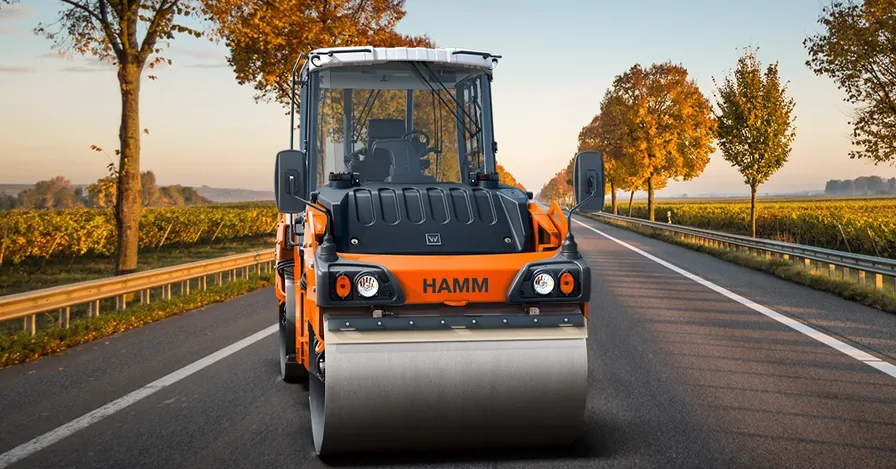
Construction equipment typically needs strong low-speed torque for digging and pushing tasks, combined with a transmission systems design that handles frequent direction changes and variable load without excessive wear. This differs significantly from highway-oriented powertrains optimised primarily for sustained cruising speed, which is why construction-specific transmission tuning matters as much as raw engine output.
Marine Engine Performance Considerations
A marine engine operates under a very different load profile than land-based equipment, running at sustained high output for extended periods with limited opportunity for the load variation that lets a construction engine occasionally idle. Corrosion resistance, cooling system design for marine environments, and propulsion-specific gearing all become critical considerations that don't carry the same weight in other heavy-duty applications.
Future Trends in Heavy-Duty Power Systems
Powertrain technology continues to evolve quickly, with several trends already reshaping how heavy-duty equipment is specified and operated.
Smart Transmission Technologies
Connected transmission systems increasingly report performance data in real time, allowing operators and fleet managers to monitor shift patterns, temperature, and wear indicators without waiting for a scheduled inspection. Our broader guide to the best earthmoving equipment for UAE construction and infrastructure projects touches on how this kind of connected equipment technology is becoming standard across modern fleets.
Fuel Efficiency and Emission Reduction
Tightening emissions regulations are pushing industrial engine manufacturers toward cleaner combustion technologies, improved after-treatment systems, and in some cases hybrid or electrified powertrain configurations for specific duty cycles. These changes are delivering genuine efficiency gains alongside compliance, meaning newer powertrains increasingly cost less to run as well as pollute less, rather than trading one for the other.
FAQs
Why does automatic transmission matter for heavy equipment performance?
Automatic transmissions keep the engine running in its most efficient range automatically, improving fuel economy and reducing operator fatigue while removing the risk of mistimed gear changes during demanding tasks.
How does a marine engine differ from a construction equipment engine?
Marine engines are built for sustained high-output operation with corrosion-resistant components and marine-specific cooling and gearing, while construction engines are tuned for strong low-speed torque and frequent load variation typical of digging and material handling tasks.
Are electrified powertrains replacing diesel engines in heavy equipment?
Not entirely, but hybrid and electrified configurations are becoming more common for specific duty cycles where they offer a clear efficiency or emissions advantage. Diesel remains dominant for applications requiring sustained heavy torque and long, uninterrupted operating hours.
Conclusion
Modern powertrain technology has moved well beyond simply making engines more powerful, focusing instead on how effectively that power reaches productive work. Selecting the right combination of engine and transmission systems for the specific application, whether construction, marine, or general industrial use, remains one of the most consequential decisions a buyer makes, with fuel efficiency, emissions performance, and connected monitoring capability all now factoring into what a genuinely well-specified powertrain looks like today.