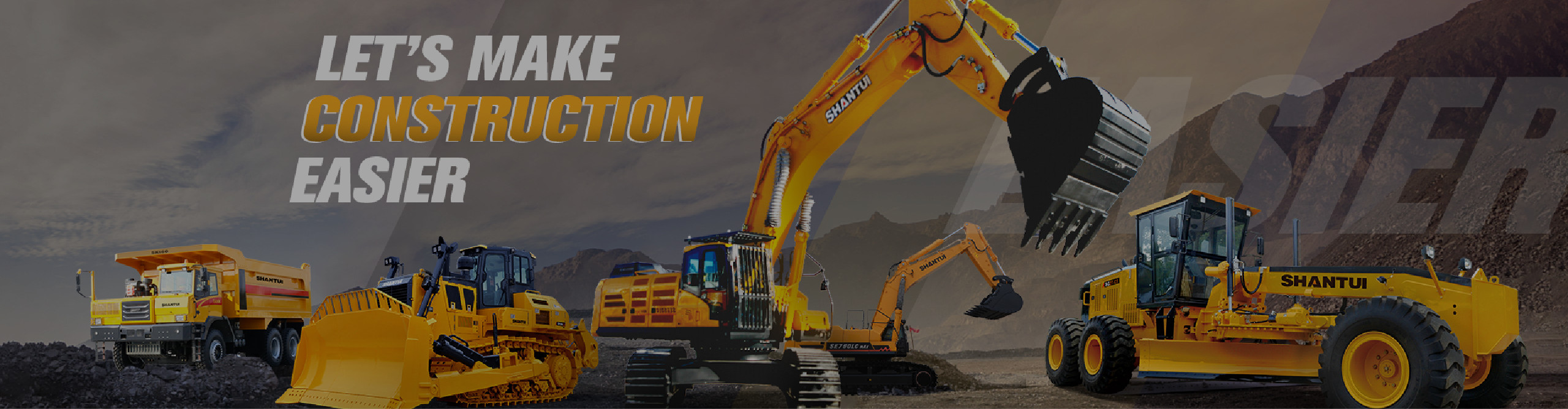
Few machines carry as much weight on a job site, literally and operationally, as the excavator. As one of the most versatile categories of heavy machinery on any site, excavators handle digging, lifting, loading, and demolition tasks that would otherwise require multiple pieces of earthmoving equipment. Their ability to adapt to different attachments, terrains, and project scales has made them a permanent fixture on construction projects across the UAE, from urban infrastructure works to large-scale quarry operations.
Choosing and operating the right excavation equipment has a direct impact on how quickly a project progresses, how safely it runs, and how much it ultimately costs. Understanding where excavators fit into modern construction, and how to get the most out of them, helps contractors make better equipment decisions from planning through to project completion.
Why Excavators Remain Essential for Modern Construction
Despite decades of innovation in construction machinery, the excavator has remained central to nearly every major project. Its combination of digging force, reach, and attachment versatility means a single machine can perform tasks that once required several specialised pieces of equipment.
Precision Excavation
Modern excavators are built for controlled, accurate digging rather than brute force alone. Hydraulic systems allow operators to fine-tune bucket depth, angle, and force, making it possible to dig close to underground utilities, foundations, and existing structures without causing damage. This precision reduces rework, protects nearby infrastructure, and keeps projects on schedule even in tightly constrained urban sites.
Advanced grade control and depth indication systems available on many modern excavators further improve accuracy, allowing operators to hit design elevations on the first pass rather than relying on repeated survey checks. This is particularly valuable on projects with tight tolerances, such as pipeline bedding and formation levels ahead of paving.
Site Preparation
Before any structure can be built, a site needs to be cleared, levelled, and graded. Excavators handle much of this preparatory work, including clearing debris, digging foundation trenches, and shaping the ground to the required grade. Efficient site preparation sets the pace for everything that follows, which is why matching the right excavator to the site conditions matters from day one. Our guide to the best earthmoving equipment for UAE construction and infrastructure projects covers how excavators fit alongside bulldozers and graders during this phase.
Selecting the Best Excavator for Different Applications
Not every excavator suits every job. Machine size, undercarriage type, and hydraulic power all need to match the specific demands of the application, from confined urban sites to open quarry faces.
Infrastructure Development
Road, utility, and drainage projects typically favour a crawler excavator for its stability on uneven ground and strong digging force. Crawler undercarriages distribute weight over a wider surface area, allowing the machine to work confidently on soft or freshly disturbed ground where wheeled equipment would struggle. For a closer look at how excavators compare with other machines commonly used on infrastructure sites, see our comparison of backhoe loaders vs excavators.
Quarry and Mining Operations
High-volume material handling in quarry and mining environments places heavy demands on hydraulic performance and duty cycles. A hydraulic excavator built for continuous operation is essential here, delivering the digging force and cycle speed needed to load haul trucks efficiently over extended shifts. Reliability under sustained heavy use is often the deciding factor when selecting equipment for these environments.
Maximising Excavator Productivity on Every Job Site
Selecting the right machine is only half the equation. How that machine is operated and equipped determines how much productivity it actually delivers on site.
Operator Best Practices
Skilled operators minimize unnecessary swing movement, plan dig-and-dump sequences to reduce cycle time, and keep the machine within its rated load capacity to avoid excess wear. Regular training on efficient digging technique and safe operating limits helps sites get consistent output while reducing the risk of accidents and unplanned equipment downtime.
Routine pre-shift inspections, such as checking hydraulic hoses, track tension, and bucket teeth, also prevent small issues from turning into costly breakdowns mid-project. Sites that build these checks into daily operating procedures typically see fewer unplanned service calls and longer equipment service life.
Attachment Selection
An excavator's versatility comes largely from its attachments. Buckets, breakers, grapples, and rippers each suit different materials and tasks, and choosing the correct attachment for the job reduces cycle times and equipment strain. Sites that stock the right range of attachments can adapt quickly as project requirements change, avoiding costly delays waiting for specialised equipment to be mobilised.
FAQs
What is the difference between a crawler excavator and a wheeled excavator?
A crawler excavator runs on tracks, offering greater stability and traction on soft or uneven ground, making it the standard choice for most construction and quarry sites. Wheeled excavators trade some stability for road mobility, making them useful for urban utility work where the machine needs to travel between sites frequently.
How do I choose the right excavator size for a project?
Excavator size should be matched to dig depth, lifting requirements, site access, and material density. Compact excavators suit confined urban sites, while larger hydraulic excavators are better suited to high-volume infrastructure, quarry, and mining work where production rate matters most.
What attachments increase excavator versatility?
Common attachments include general-purpose buckets, hydraulic breakers for demolition, grapples for handling irregular material, and rippers for breaking up hard ground. Selecting the right attachment for the task reduces cycle time and equipment wear compared with forcing a single configuration to handle every job.
Conclusion
Excavators remain one of the most valuable pieces of heavy machinery on any site because of their precision, versatility, and adaptability across infrastructure, mining, and quarry applications. Choosing the right machine for the application, equipping it correctly, and following sound operating practices all combine to determine how much productivity a fleet actually delivers. Businesses that treat excavator selection and operation as a strategic decision, rather than an afterthought, consistently get more value from their excavation equipment across every stage of a project.