Reliability problems with generators and other critical machinery rarely start with a bad piece of equipment. They start with planning decisions made before the purchase order was ever signed, capacity sized against the wrong assumptions, maintenance schedules built around convenience rather than actual need, or lifecycle costs never modelled beyond the initial quote.
This guide covers how to get diesel generator and power generator planning right from the start, how to reduce downtime across air compressor and generator systems, and how industrial equipment and automatic transmission components fit into a genuinely reliable long-term strategy.
Generators and Diesel Generators: Getting Equipment Planning Right from the Start
Most equipment reliability problems trace back to decisions made during the planning stage, long before the machine is even delivered to site.
Matching Generator Capacity to Operational Goals
Generator capacity should be planned around what the business actually needs the backup system to achieve, full facility continuity, critical-load-only support, or temporary site power, rather than a generic sizing rule applied without that context. A generator sized for the wrong operational goal either wastes capital on unnecessary capacity or fails to deliver the continuity the business actually needed during an outage.
Diesel Generators: Avoiding Underutilised Backup Assets
A diesel generator that sits almost entirely idle between rare outages still represents significant tied-up capital, and businesses increasingly look for ways to extract more value from this asset, whether through peak shaving, scheduled load support, or simply better-planned test cycles that double as productive runtime. Treating backup capacity purely as insurance, rather than an asset that could contribute more, is a missed opportunity many facilities haven't fully explored.
Power Generators and Air Compressors: Reducing Downtime and Delays
Downtime across power and compressed air systems shares common root causes, even though the equipment itself looks very different, and addressing those causes early avoids the disruption that follows once a facility is already relying on the equipment.
Power Generator Selection Risks That Increase Downtime
Selecting a generator based purely on lowest quoted price, without weighing supplier service response time or genuine parts availability, is one of the clearest paths to extended downtime once the unit eventually needs attention. These risks are rarely visible at the point of purchase, which is exactly why they need to be evaluated deliberately rather than assumed to be equivalent across competing suppliers.
Air Compressor Maintenance: Managing Higher Operating Expenses
Neglected air compressor maintenance, clogged filters, worn seals, undetected leaks, quietly drives up energy consumption well before the system fails outright, turning what looks like a stable operating expense into a slowly rising one. Scheduled maintenance that catches these issues early keeps operating expenses predictable rather than allowing them to creep upward unnoticed.
Industrial Equipment and Automatic Transmission Components: Building a Reliable Strategy
Reliability across an entire equipment fleet comes from consistent planning principles applied to every asset category, not a one-off fix applied to whichever machine is currently causing problems. Our related guide to why automatic transmissions improve performance in heavy equipment looks at how automatic transmission reliability specifically contributes to this kind of consistent equipment performance.
Lifecycle Planning for Industrial Equipment Investments
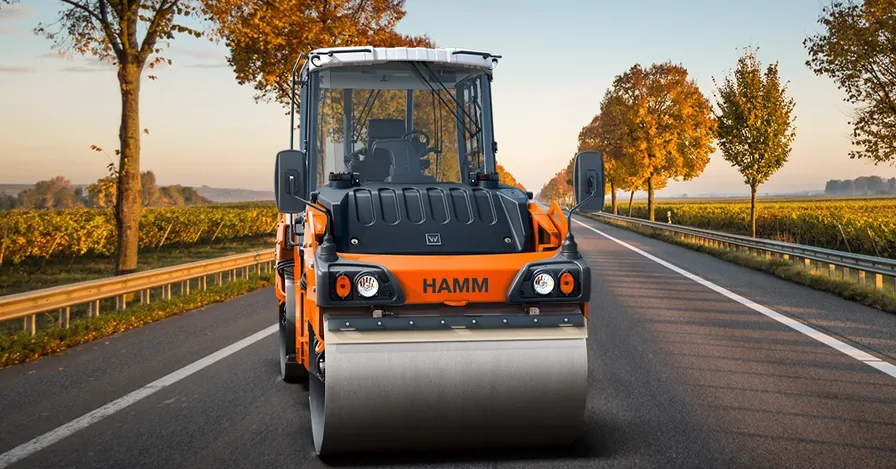
Modelling fuel or energy consumption, maintenance spend, and expected repair frequency across an asset's full working life gives a far more accurate basis for construction equipment and industrial equipment decisions than comparing purchase price alone. Our guide to the best earthmoving equipment for UAE construction and infrastructure projects is a useful reference for applying this same lifecycle thinking to fleet planning.
Automatic Transmission Maintenance: Creating a Reliable Framework
Fluid condition checks, filter replacement, and cooling system inspection on a fixed schedule extend transmission service life significantly compared with reactive servicing that only responds once a fault has already appeared. Building this kind of scheduled framework across every major component category, not just transmissions, is what turns equipment reliability from a matter of luck into a matter of process.
FAQs
How should generator capacity be planned for a specific business?
Capacity should be sized around what the backup system actually needs to achieve, whether that's full facility continuity or critical-load-only support, rather than a generic sizing formula applied without understanding the business's actual continuity goals.
What increases downtime risk when selecting industrial power equipment?
Choosing purely on lowest price without evaluating supplier service response time and genuine parts availability is one of the clearest risks, since these factors determine how quickly a facility recovers once equipment eventually needs attention.
Why does lifecycle planning matter more than purchase price for industrial equipment?
Fuel, maintenance, and repair costs accumulate over an asset's working life and frequently outweigh the initial price difference between competing options, making total lifecycle cost a more reliable basis for comparison than invoice price alone.
Conclusion
Machinery reliability is decided far earlier than most businesses assume, starting with how generators, air compressor systems, and other industrial equipment are planned and specified in the first place. Matching capacity to operational goals, evaluating suppliers on service quality rather than price alone, and applying consistent lifecycle and maintenance planning across every equipment category gives businesses a genuinely reliable foundation rather than one built on hoping nothing goes wrong.
Industries This Guidance Applies To
The principles in this guide apply across the range of sectors GENAVCO supports with generators and industrial equipment, including manufacturing and processing facilities, construction and infrastructure contractors, data centres and critical facilities, warehousing and logistics operations, and oil and gas support operations. While specific equipment mix and reliability priorities vary by sector, the underlying approach, planning capacity around real operational goals and applying consistent lifecycle maintenance, holds across all of these operating environments.
Recommendations are informed by equipment supplied and supported across these sectors in the UAE, giving practical grounding in how generator and industrial equipment planning decisions perform under real operating conditions rather than only in theory. Any specific capacity, maintenance, or lifecycle plan should still be validated against an individual facility's own operational goals and constraints, since no general guide can substitute for a proper site-specific assessment.