Compaction is one of the least visible steps in any build, yet it determines how long roads, foundations, and pavements actually last. Every layer of soil or asphalt placed on a site needs to be densified correctly before the next layer goes on top, and the right compaction equipment is what makes that possible. Get it wrong, and even the best paving equipment and materials on site won't prevent premature cracking, rutting, or settlement.
Selecting between machine types, and applying them correctly, is one of the most practical decisions a contractor makes on any construction equipment plan. This guide breaks down why compaction matters, how road compactors and plate compactors differ, and the practices that keep infrastructure projects performing well for years after handover.
Why Proper Compaction Determines Project Success
Compaction removes air voids from soil and asphalt layers, increasing density and load-bearing strength. A layer that isn't compacted to specification will continue settling under traffic or structural load long after construction finishes, leading to costly repairs that could have been avoided at the outset.
Soil Stability
Well-compacted soil provides a stable, uniform base for everything built above it, from road pavements to building foundations. Poor soil compaction leads to uneven settlement, which shows up later as cracked slabs, sagging pavement, or structural movement. Achieving consistent density across a site depends on matching compaction effort to soil type and moisture condition, rather than applying a single approach everywhere.
Pavement Durability
Asphalt pavement performance depends heavily on achieving target density during compaction. Under-compacted asphalt is more permeable to water and more prone to rutting and cracking under repeated traffic loading. A road compactor that delivers consistent density across the full lane width extends pavement service life significantly compared with inconsistent or rushed compaction passes.
Timing matters as much as equipment here. Asphalt must be compacted within a narrow temperature window before it cools and stiffens, so compaction sequencing needs to keep pace with the paving operation rather than trailing behind it.
Road Compactors vs Plate Compactors
Road compactors and plate compactors serve different scales of work, and choosing between them depends largely on project size and site access. For a deeper comparison of soil compactors against smaller plate equipment, see our article on soil compactors and plate compactors, and for how compaction fits into the wider paving process, see our guide to road construction equipment: pavers, rollers and milling machines.
Applications of Road Compactors
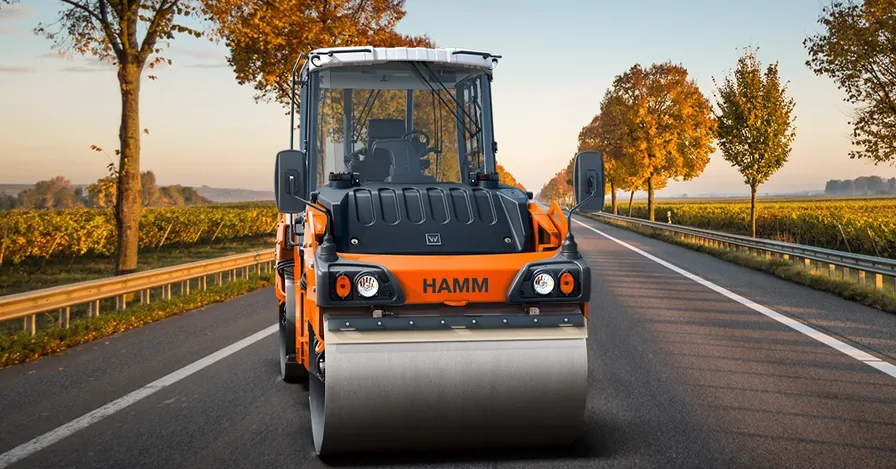
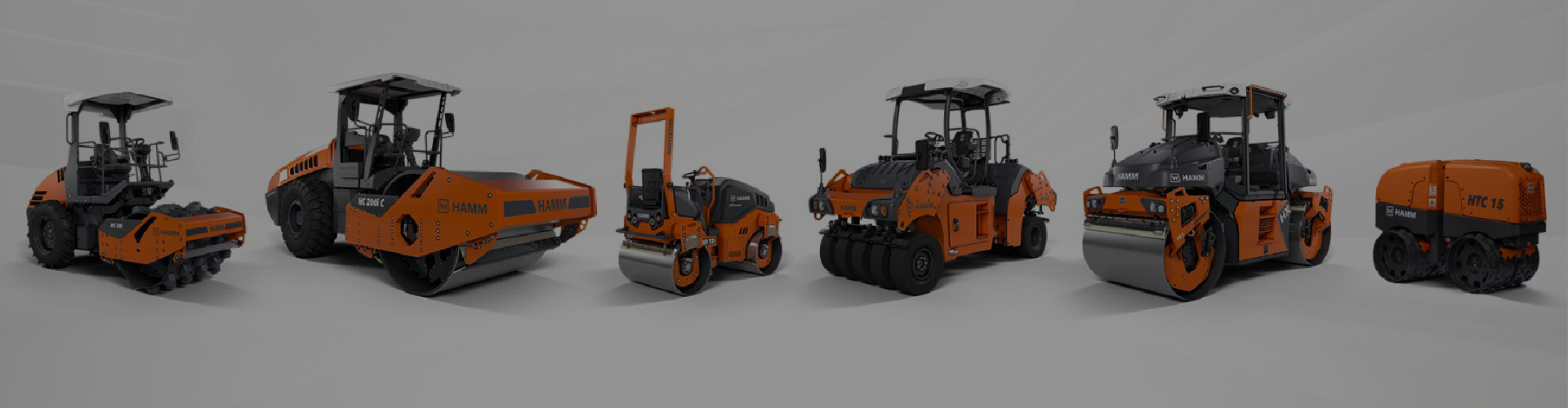
Road compactors, including single and double drum vibratory rollers, are built for large-scale work such as highway construction, subgrade preparation, and asphalt finishing. Their weight and vibration systems allow them to compact deep layers efficiently across wide areas, making them the standard choice wherever production rate and coverage matter most.
When to Use Plate Compactors
A plate compactor is better suited to smaller, confined areas such as trenches, sidewalks, and landscaping work where a larger roller can't manoeuvre. Their compact size and manageable weight make them practical for patch repairs, utility backfill, and other localised compaction tasks on otherwise finished sites.
Best Practices for Effective Ground Compaction
Even the right machine won't deliver good results without the correct approach on site. A few core practices consistently separate reliable compaction outcomes from problem areas that need rework later.
Selecting the Right Compaction Method
Different materials respond best to different compaction techniques, whether that's vibration for granular soils, static weight for cohesive clays, or kneading action for asphalt. Matching the method to the material, alongside the right supporting compaction equipment, ensures target density is reached without excessive passes or wasted machine hours.
Moisture Control
Soil compacts most effectively at its optimum moisture content. Too dry, and particles resist bonding together; too wet, and the material becomes unstable under compactive effort. Testing and adjusting moisture levels before compaction begins, rather than after poor results appear, is one of the simplest ways to improve outcomes on any site.
FAQs
What is the difference between a road compactor and a plate compactor?
A road compactor is a larger machine designed for high-volume compaction on roads, highways, and large earthworks, while a plate compactor is a smaller, more manoeuvrable machine suited to trenches, sidewalks, and confined spaces where a roller cannot operate.
How do I know if compaction has been done correctly?
Compaction quality is typically verified through density testing, comparing the achieved density against a target percentage of maximum dry density established for the material. Most road authorities require a minimum of 95 to 100 percent of this target before a layer is approved.
What is optimum moisture content in soil compaction?
Optimum moisture content is the water level at which a given soil achieves its maximum dry density for a set amount of compactive effort. Compacting significantly above or below this level reduces achievable density, regardless of how much compaction equipment or effort is applied.
Conclusion
Compaction may be one of the least visible parts of a build, but it has an outsized effect on how long infrastructure projects last once handed over. Choosing between road compactors and plate compactors, applying the right technique for the material, and controlling moisture at every stage all combine to determine whether a project performs well for decades or needs early rework. Investing in the right compaction equipment and following disciplined site practices remains one of the most cost-effective ways to protect the long-term value of any construction investment.