Road construction moves through several distinct layers, subgrade, sub-base, base, and finally the asphalt pavers wearing course, and each layer needs a different type of compaction to reach the density it's designed for. Using the wrong roller on road work at any stage doesn't just slow the job down, it can compromise the structural performance of the finished road for years afterward. Getting equipment selection right at every stage is one of the clearest levers a contractor has over long-term road construction quality.
Understanding which compaction equipment suits which application, why proper compaction matters so much for road performance, and how to keep compaction operations efficient on site helps contractors avoid the density shortfalls that cause premature road compaction failures.
Which Compaction Equipment Works Best for Different Applications?
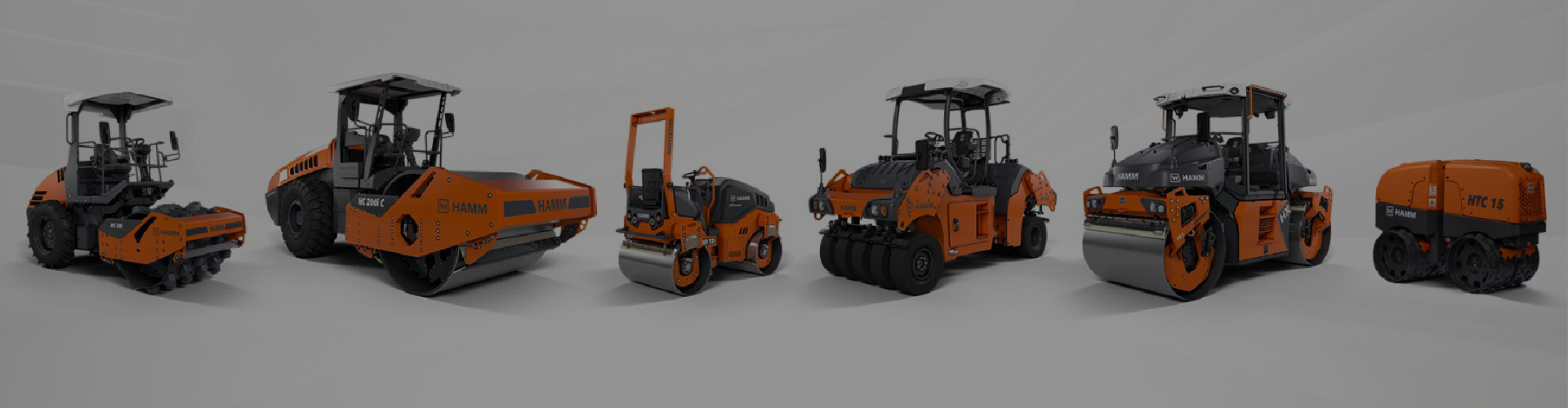
Different compaction tasks call for different machine types, and matching equipment to the specific layer and material being compacted is the starting point for reliable results.
When Should You Use a Walk-Behind Roller?
A walk behind roller suits smaller, confined areas such as footpaths, patch repairs, and narrow utility trench reinstatement where a full-size roller cannot manoeuvre. Their compact size trades production rate for access, making them the practical choice whenever site constraints rule out larger equipment rather than the default choice for open, large-scale paving work.
Road Rollers vs Vibratory Plate Compactors
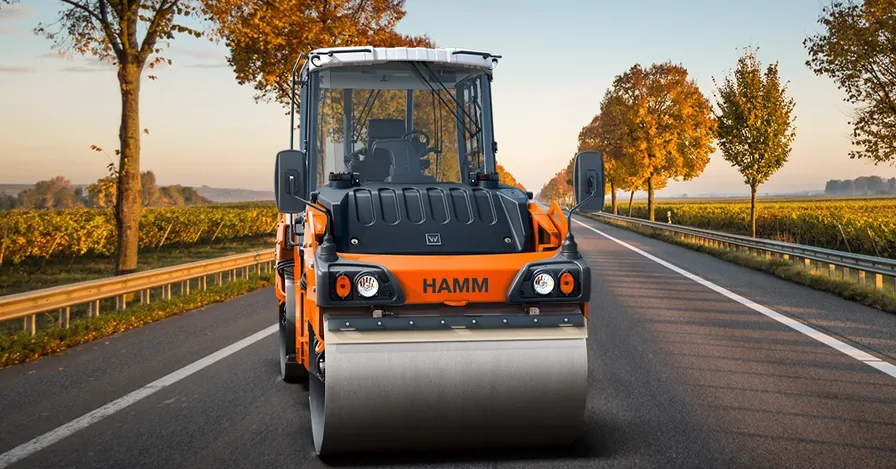
Tandem tandem rollers deliver consistent compaction across the full width of asphalt mats on open road sections, making them the standard for mainline paving work. A vibratory plate compactor, by contrast, suits smaller granular areas and confined spots such as around manholes or kerb lines where a roller's width and turning radius simply won't fit.
Why Proper Compaction Determines Road Performance
Compaction density has a direct, measurable relationship with how long a road performs before it needs maintenance, which is why it's treated as one of the most critical quality control points in the entire construction process.
Common Compaction Mistakes Contractors Make
Compacting asphalt after it has cooled below the effective temperature window, applying too few roller passes to save time, and skipping density verification testing are among the most frequent and costly compaction mistakes on road projects. Each of these shortcuts saves a small amount of time in the moment while creating a much larger, more expensive problem once the road is in service.
How Poor Compaction Causes Early Road Failures
Under-compacted asphalt is more permeable to water, allowing moisture infiltration that weakens the layer structure and accelerates rutting and cracking under traffic loading. Insufficiently compacted base and sub-base layers create similar problems from underneath, leading to settlement and structural failure that can require full reconstruction rather than a simple resurfacing repair.
Improving Compaction Efficiency on Site
Equipment selection and operating discipline both play a role in getting compaction right the first time, avoiding the cost of rework or premature failure. Our detailed guide to road construction equipment: pavers, rollers and milling machines covers this equipment across every stage of the paving process.
Reducing Fuel and Equipment Costs
Sequencing roller passes efficiently, avoiding unnecessary idling between passes, and matching roller size to the actual job rather than defaulting to the largest available machine all reduce fuel consumption and unnecessary wear across a compaction fleet. Our comparison of soil compactors and plate compactors is a useful reference for right-sizing equipment against actual task requirements.
Daily Maintenance for Compaction Equipment
Checking drum condition, hydraulic systems, water spray bars, and vibration mechanisms before each shift catches developing issues before they cause an unplanned breakdown mid-project. Rollers operating under continuous vibration and load benefit particularly from consistent daily checks, since small issues in these systems tend to escalate quickly once a machine is put back into service.
FAQs
What is the difference between a tandem roller and a vibratory plate compactor?
A tandem roller uses two drums to compact full-width asphalt mats on open road sections, while a vibratory plate compactor is a smaller, more manoeuvrable machine suited to confined areas and granular material that a roller cannot access.
How many roller passes are needed for proper asphalt compaction?
This varies by material, roller weight, and vibration frequency, but a typical asphalt compaction sequence uses breakdown, intermediate, and finishing passes, usually totalling three to five passes per compactor, confirmed by density testing.
Why does asphalt temperature matter during compaction?
Asphalt must be compacted within a specific temperature window before it cools and stiffens beyond the point where target density can still be achieved. Compacting outside this window results in reduced density regardless of how many passes are applied.
Conclusion
Every layer of a road, from subgrade through to the final asphalt surface, depends on compaction equipment matched to its specific requirements to achieve the density that determines long-term performance. Contractors who select the right roller or plate compactor for each application, avoid the common mistakes that undermine density, and maintain equipment consistently see fewer early failures and lower lifecycle costs across their road construction projects than those treating compaction as a box to tick rather than a critical quality control stage.