The moment industrial equipment is installed and switched on is often treated as the finish line of a purchase decision. In reality, it's the starting point of the phase that determines whether that equipment actually delivers value, years of reliable performance versus a slow accumulation of downtime, repair costs, and underperformance that a good purchase decision alone can't prevent.
This guide covers why equipment performance depends on what happens after installation, what industrial buyers should expect from an air compressor or generator's support partner, and how to build long-term value from industrial assets rather than treating support as an afterthought once something eventually breaks.
Why Equipment Performance Doesn't End After Installation
Equipment specified correctly and installed properly still needs consistent attention afterward to keep performing at its rated capacity throughout its working life.
The Role of Preventive Maintenance
Scheduled maintenance catches wear in seals, filters, and moving components well before it escalates into a full failure that stops production entirely. Equipment maintained on a fixed, disciplined schedule consistently outlasts comparable machines run until something breaks, both in service life and in total cost of ownership over that lifespan.
Why Spare Parts Availability Matters
A failed component sitting on backorder for weeks turns a routine repair into extended, costly downtime, regardless of how well the underlying machine was specified. Facilities that confirm parts lead times and local stock availability before a purchase, rather than discovering the gap during an actual breakdown, avoid one of the most common and most disruptive causes of extended equipment downtime.
What Industrial Buyers Expect from Equipment Partners
Modern industrial buyers increasingly judge equipment partners on what happens after the sale, not just the quality of the machine at delivery. Our related guide to why automatic transmissions improve performance in heavy equipment looks at how component reliability and support access drive long-term equipment value, a principle that extends well beyond automatic transmission systems into compressors, generators, and machinery generally.
Technical Expertise Beyond Product Sales
A supplier that can genuinely diagnose a performance issue, rather than simply replacing parts until the problem happens to go away, delivers far more value over an equipment's working life than one focused purely on the initial transaction. This kind of technical depth becomes especially important for complex systems where root-cause issues can easily be misdiagnosed by anyone without real product-specific expertise.
Digital Monitoring and Remote Support
Remote monitoring capability increasingly allows support teams to review performance data and flag developing issues before a facility's own staff would notice a problem, sometimes resolving faults without a technician needing to visit the site at all. This kind of proactive, data-driven support is becoming a genuine differentiator between equipment partners, rather than a nice-to-have add-on to standard servicing.
Building Long-Term Value from Industrial Assets
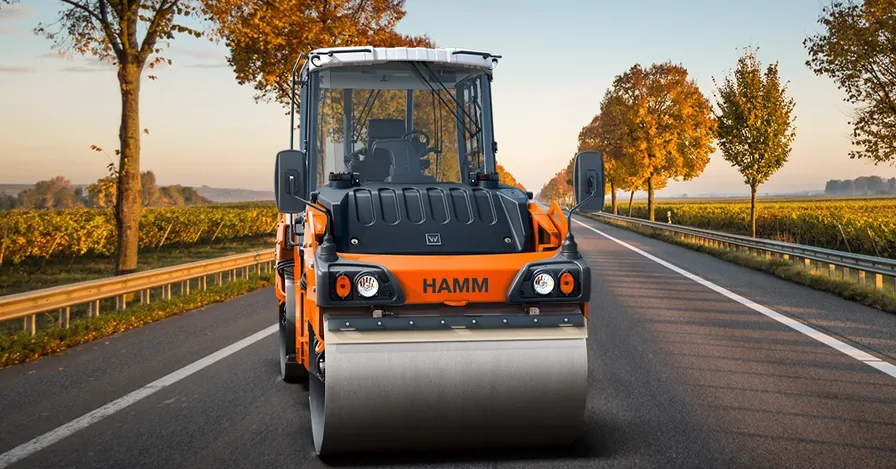
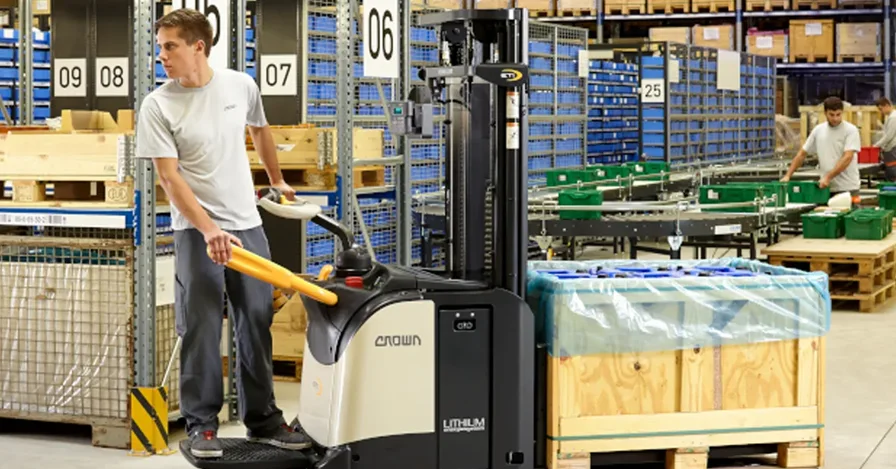
Treating equipment as a long-term asset, rather than a one-off purchase, changes how construction equipment and material handling equipment investments actually get evaluated and managed. Our guide to the best earthmoving equipment for UAE construction and infrastructure projects is a useful reference for planning fleet composition with this longer-term view in mind.
Measuring Equipment Lifecycle Costs
Tracking maintenance spend, downtime hours, and energy consumption against a machine's output over time reveals its true cost far more accurately than the original purchase price ever could. Facilities that maintain this kind of lifecycle data consistently make better replacement and upgrade decisions than those relying on gut feel about which units are becoming unreliable.
Improving Asset Reliability
Reliability improves through a combination of disciplined preventive maintenance, fast access to genuine spare parts, and a support partner willing to investigate recurring issues rather than treating every fault as an isolated event. Businesses managing heavy equipment across multiple sites see the strongest gains when this approach is applied consistently across the whole fleet, not just the machines that happen to be causing problems at any given moment.
FAQs
Why does spare parts availability matter as much as equipment quality?
Even well-built equipment eventually needs a replacement part, and slow parts availability turns a routine repair into extended downtime regardless of how reliable the original machine was. Confirming parts lead times before purchase avoids this risk.
What should industrial buyers look for in an equipment support partner?
Genuine technical expertise for diagnosing issues, confirmed spare parts availability, and increasingly, remote monitoring capability that can flag problems before they cause a breakdown are all strong indicators of a support partner worth working with long term.
How can facilities measure the true lifecycle cost of their equipment?
Tracking maintenance spend, downtime hours, and energy consumption against output over time gives a far more accurate picture of total cost than the original purchase price, and helps identify which assets are becoming genuinely uneconomical to keep running.
Conclusion
Equipment performance is decided long after installation, through the maintenance discipline, parts availability, and technical support that surround a machine every day it's in service. Businesses that choose equipment partners on this basis, and track lifecycle cost as closely as purchase price, consistently get more reliable, longer-lasting value from their industrial equipment than those focused solely on the initial transaction.
Industries This Guidance Applies To
The principles in this guide apply across the range of sectors GENAVCO supports with industrial equipment and lifecycle service, including manufacturing and processing facilities, construction and infrastructure contractors, oil and gas support operations, warehousing and logistics operations, and facility management providers. While specific maintenance needs vary by sector, the underlying approach, prioritising preventive maintenance, parts availability, and genuine technical support, holds across all of these operating environments.
Recommendations are informed by lifecycle support delivered across these sectors in the UAE, giving practical grounding in how maintenance and support decisions perform under real operating conditions rather than only in theory. Any specific maintenance schedule or support arrangement should still be validated against an individual facility's own equipment and operating requirements, since no general guide can substitute for a proper site-specific assessment.