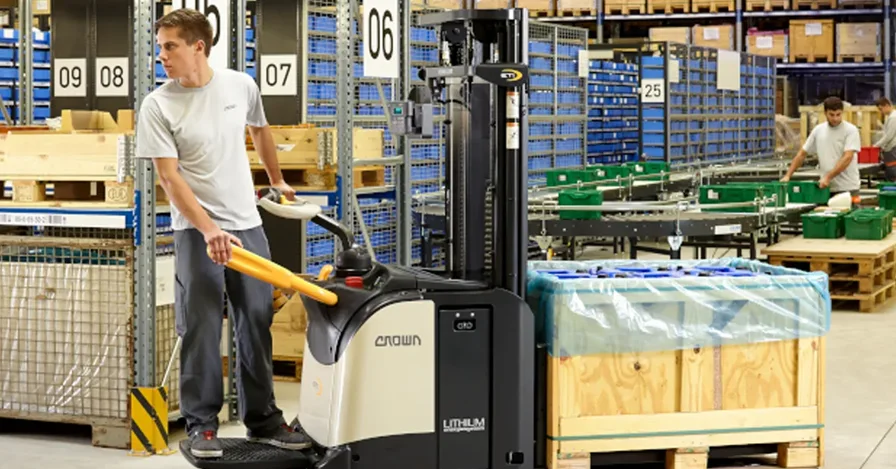
Ask a struggling warehouse how many forklifts they have, and they'll answer instantly. Ask how those machines actually performed last month, and the conversation usually stalls. This gap is exactly why fleet count is such a poor proxy for warehouse health: it tells you what's on the floor, not what's actually happening on it. The most efficient operations have shifted their attention from counting equipment to measuring what that equipment is doing.
Understanding which metrics genuinely matter, how to turn that data into real decisions, and how to build a material handling equipment strategy around it, gives operations teams a far more reliable path to improving warehouse productivity than simply tracking headcount and hoping performance follows.
Which Forklift Performance Metrics Actually Matter?
Not every number a fleet system reports is worth acting on. A small set of core metrics tends to explain most of the variation between a warehouse that's performing well and one that isn't.
How to Measure Forklift Productivity
Productive hours as a share of total shift time, tasks completed per hour, and average cycle time together give a far more complete picture than any single number alone. Tracking these consistently, rather than reacting to isolated bad days, reveals whether an electric forklift fleet is genuinely underperforming or simply having a rough week.
What Is Forklift Fleet Availability?
Fleet availability measures the percentage of scheduled operating time a forklift is actually able to work, excluding time lost to breakdowns, charging, or maintenance. Low availability points to a reliability or maintenance problem, which is a very different issue from low utilisation, and the two are often confused despite needing entirely different fixes.
Turning Forklift Data into Better Business Decisions
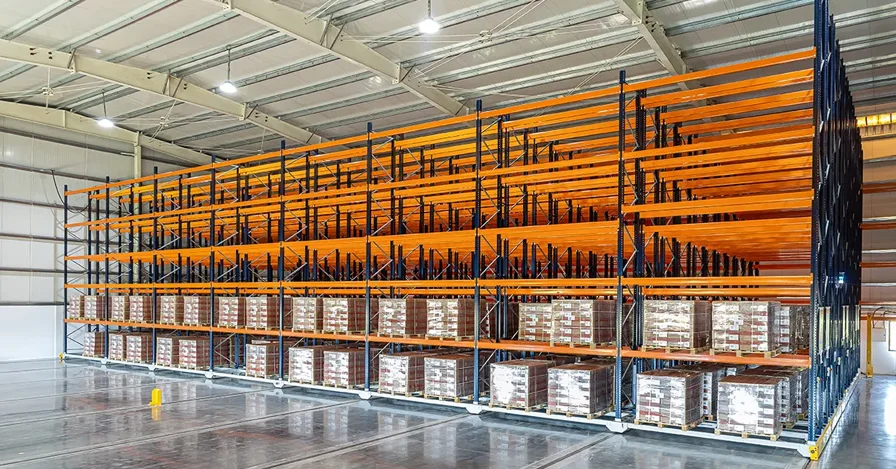
Collecting data has little value unless it actually changes what a warehouse decides to do. Our comparison of why pallet racking systems are essential for modern warehouses is a useful companion piece, since storage layout decisions often show up clearly once fleet data starts revealing travel and cycle time patterns.
How Data Helps Reduce Warehouse Costs
Consistent fleet data often reveals that a warehouse has more equipment than its actual workload requires, or that a small number of specific tasks are driving a disproportionate share of travel and labour cost. Acting on these findings, whether through reallocating equipment, adjusting shift patterns, or redesigning specific workflows, tends to deliver savings that a simple headcount review would never surface.
Identifying Underperforming Forklifts
Comparing utilisation, cycle time, and availability across individual units in the same fleet quickly highlights machines that consistently lag behind their peers. These outliers often point to a specific maintenance issue, an operator training gap, or a machine that's simply mismatched to the tasks it's being assigned, all of which are far easier to fix once identified than to guess at from a distance.
Building a Data-Driven Material Handling Strategy
The businesses getting the most value from fleet data treat it as an ongoing input into planning, not a one-off diagnostic exercise. Our guide to warehouse equipment for storage and material handling is a useful reference point for connecting fleet performance data to broader equipment planning decisions.
Choosing Forklifts That Match Warehouse Demand
Historical performance data reveals exactly what kind of warehouse equipment a specific operation actually needs, from lift height and load capacity to charging infrastructure and manoeuvrability, rather than relying on assumptions carried over from a previous facility or a different business entirely. This evidence-based approach to specification consistently produces a better-matched fleet than starting from a generic equipment list.
Using Historical Data for Capacity Planning
Seasonal demand patterns, growth trends, and peak period spikes all show up clearly in historical fleet data, giving operations teams a solid basis for planning future equipment needs rather than reacting to shortages after they've already caused delays. This kind of forward planning is increasingly supported by warehouse automation tools that can flag capacity gaps well before they become a problem on the floor, supporting smoother logistics operations across the business.
FAQs
What is the difference between forklift utilisation and fleet availability?
Utilisation measures how much of the available time a forklift is used productively, while availability measures how much of the scheduled time it's actually capable of working, excluding breakdowns and maintenance. A fleet can have high availability but low utilisation, or vice versa, and each points to a different underlying issue.
How often should warehouses review forklift performance data?
Monthly reviews are common for spotting trends and underperforming units, while daily or weekly monitoring is useful for catching acute issues, such as a specific machine or shift consistently falling behind expected performance.
Can historical fleet data really predict future equipment needs?
Yes, to a meaningful degree. Seasonal patterns, growth trends, and recurring peak periods generally show up clearly enough in historical data to support realistic forecasts, giving operations teams lead time to plan equipment additions or reallocation before shortages actually occur.
Conclusion
Fleet size is the easiest number to report, but it's rarely the number that explains why a warehouse is or isn't performing well. The most efficient operations look past headcount to metrics that actually reflect how warehouse equipment is being used, then apply that insight to cost reduction, equipment selection, and capacity planning decisions. Building this kind of data discipline into everyday operations consistently delivers stronger warehouse productivity than simply asking how many forklifts are on the floor.