For decades, quarry performance came down almost entirely to the size and reliability of the mining equipment on site. That's no longer the full picture. The most productive operations today combine capable quarry equipment with the data that tells operators exactly how that equipment is performing, where it's losing time, and when it's about to need attention. This shift toward the digital quarry is changing what separates an average site from a genuinely high-output one.
Understanding how connected equipment, predictive maintenance, and continuous equipment monitoring fit together helps operators see where the real gains are hiding, often not in bigger machines, but in smarter use of the ones already on site.
From Traditional Quarrying to Digital Operations
Quarrying has always been a numbers game, tonnes produced, hours run, fuel burned. What's changed is how those numbers are captured and used. Where operators once relied on end-of-shift logs and gut feel, modern sites now draw on continuous data streams that reveal patterns invisible to manual tracking.
The Rise of Connected Equipment
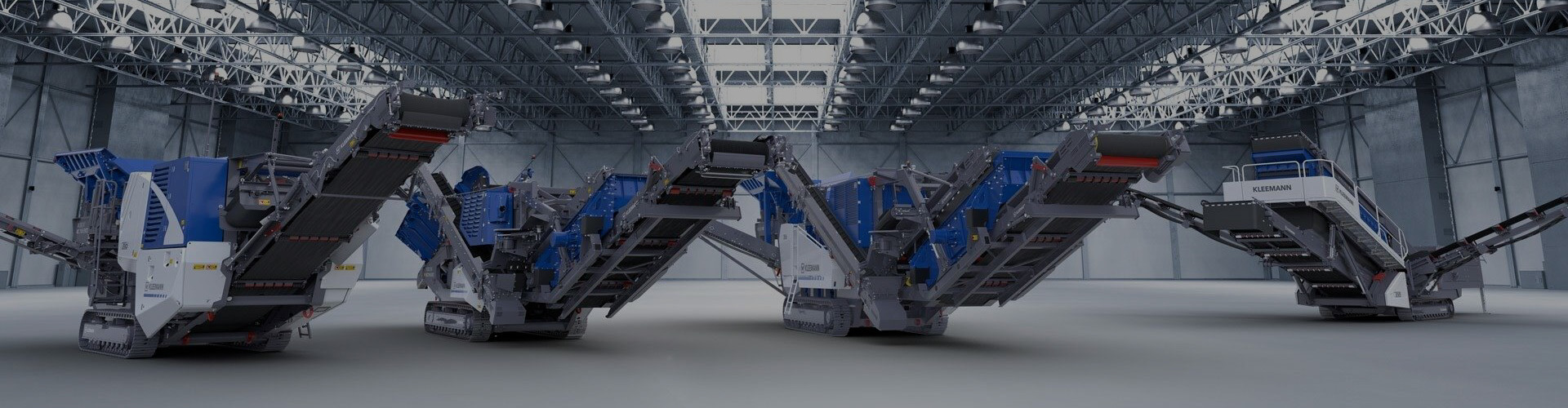
Modern crushers, screens, and loading equipment increasingly ship with built-in telematics that report machine hours, throughput, fault codes, and location in real time. This connectivity turns each machine into a data source rather than a black box, giving site managers visibility into performance without needing to physically inspect every unit. Our guide to aggregates processing equipment for the UAE covers how this equipment fits together across the full crushing and washing chain.
Data-Driven Production Planning
With reliable throughput data available continuously, production planning shifts from reactive to proactive. Managers can identify which shift patterns, feed rates, or equipment combinations produce the best output and adjust schedules accordingly, rather than discovering bottlenecks only after they've already cost a week of lost production.
Using Data to Reduce Operating Costs
Beyond production planning, the same data streams that track output also reveal where money is being spent unnecessarily, often in ways that aren't obvious from a walk around the site.
Fuel Consumption Analysis
Fuel is one of the largest recurring costs on any quarry, and consumption data often exposes patterns that would otherwise go unnoticed, such as excessive idling, inefficient haul routes, or specific machines burning more fuel per tonne than comparable units. Identifying and correcting these patterns typically delivers savings that far outweigh the cost of the monitoring systems themselves.
Predictive Maintenance
Rather than servicing equipment on a fixed calendar or waiting for a breakdown, predictive maintenance uses sensor data, vibration, temperature, oil condition, to flag developing issues before they cause failure. This approach reduces both unplanned downtime and unnecessary early servicing, extending equipment life while keeping maintenance costs closely aligned with actual machine condition rather than a generic schedule. Reliable powertrain performance is a major part of this picture too; our guide to why automatic transmissions improve performance in heavy equipment looks at how transmission health monitoring fits into the same predictive approach.
Building a Smarter Aggregate Plant
Individual data points are useful, but the real gains come from connecting them across the full production line. A well-integrated plant, moving material from a crushing plant through screening and washing, benefits from a coordinated view of every stage rather than isolated reports from each machine.
Equipment Integration
When crushers, screens, and conveyors share data through a common monitoring platform, operators can see how a slowdown at one stage affects throughput further down the line. This visibility supports better decisions about where to invest in upgrades, and helps confirm that aggregate production targets are being met consistently rather than only on average across a reporting period.
Automation Opportunities
As monitoring systems mature, many sites are finding opportunities to automate routine adjustments, such as feed rate control or crusher setting changes, based on real-time material conditions rather than manual operator intervention. This reduces variability between shifts and operators, helping plants maintain more consistent output and product quality around the clock.
FAQs
What is a digital quarry?
A digital quarry uses connected equipment, sensors, and data platforms to monitor production, fuel use, and machine condition in real time, allowing operators to make faster, better-informed decisions than traditional manual tracking allows.
How does predictive maintenance differ from routine servicing?
Routine servicing follows a fixed schedule regardless of actual equipment condition, while predictive maintenance uses sensor data to identify developing issues and schedule intervention only when it's genuinely needed, reducing both breakdowns and unnecessary early servicing.
What data matters most for reducing quarry operating costs?
Fuel consumption, machine utilisation hours, and throughput per stage of the production line typically offer the clearest opportunities for cost reduction, since small inefficiencies in these areas compound significantly over continuous operation.
Conclusion
The quarries getting the most from their operations today are the ones treating data as seriously as their mining equipment itself. Connected machinery, disciplined equipment monitoring, and predictive approaches to maintenance turn scattered production numbers into decisions that actually reduce cost and downtime. As more of the industry moves toward this model, the gap between traditional and data-driven operations is likely to keep widening, making the shift toward a genuinely connected aggregate plant less of an option and more of a competitive necessity.