Ask most people what turns quarried rock into usable aggregate, and they'll picture a crushing plant reducing large rock into smaller pieces. That's only the first step. Without proper screening to sort material by size and washing to remove clay, silt, and other contaminants, crushed rock is simply crushed rock, not a product that meets construction specification. Aggregate production quality is decided as much by what happens after crushing as by the crushing stage itself.
Understanding why screening and washing matter, how to choose the right equipment for each stage, and what keeps a plant running efficiently gives operators a fuller picture of quarry equipment planning than focusing on crushing capacity alone.
Why Aggregate Quality Starts After Crushing
Crushed rock leaving a primary crusher is far from a finished product. It contains a mix of particle sizes and surface contamination that screening and washing exist specifically to address before material is ready for sale or use.
How Screening Improves Aggregate Consistency
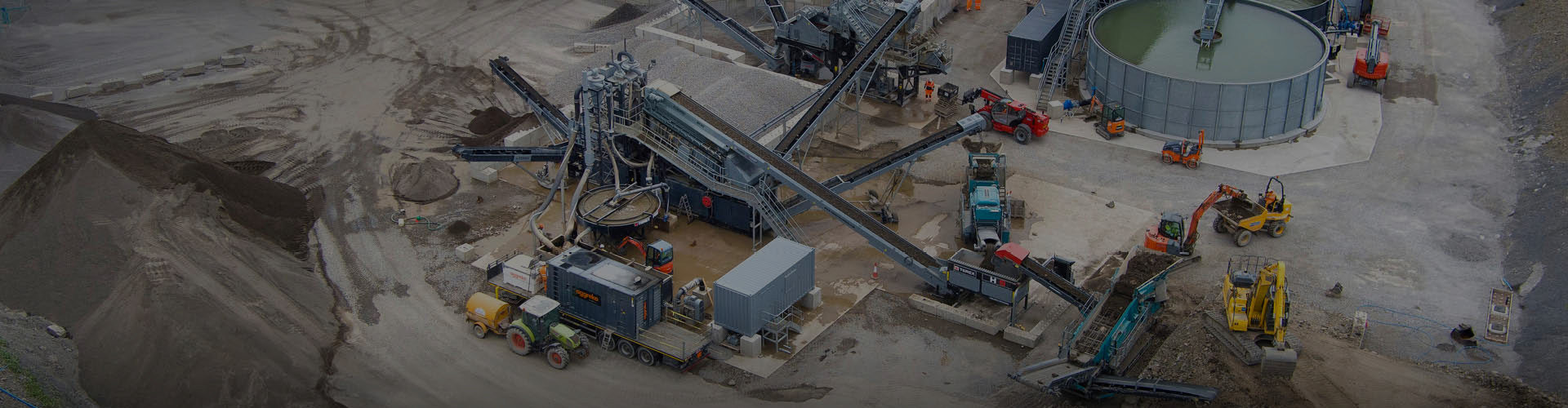
A screening plant classifies crushed material by size, ensuring undersized material is returned for further crushing and oversized material is rejected or reprocessed rather than passed on to customers. Without accurate screening, particle size distribution becomes inconsistent, making it impossible to guarantee the specification that construction and infrastructure customers require.
Why Washing Removes Harmful Contaminants
Clay, silt, and fine dust coating aggregate particles weaken the bond between aggregate and cement in concrete, and can cause similar bonding problems in asphalt production. Washing strips away these contaminants, producing clean aggregate that meets the strength and durability specifications concrete and asphalt producers depend on for their own quality control.
Choosing the Right Screening and Washing Equipment
Screening and washing equipment needs to be matched to site conditions, material type, and production scale just as carefully as the crushing stage that precedes it. Our complete guide to aggregates processing equipment for the UAE covers the full crushing, screening, and washing chain in detail.
Mobile vs Stationary Screening Plants
A mobile screening plant suits operations that need to relocate between quarry faces or job sites, offering flexibility at some cost to production capacity compared with a fixed installation. A screening plant set up as a stationary installation typically delivers higher sustained throughput, making it the better choice for permanent quarry operations processing consistently high volumes.
How to Select the Right Sand Washing Plant
Selecting a sand washing plant depends on the specific contamination profile of the feed material, required output cleanliness, and how much water recycling capacity the site can support. Operations producing sand washing for concrete-grade specification typically need more thorough fines removal than those supplying general fill material, which directly affects the washing plant configuration required.
Improving Plant Efficiency and Final Product Quality
Getting the most from screening and washing equipment depends on how well it's integrated with the rest of the plant and how consistently it's maintained. Our related guide to why automatic transmissions improve performance in heavy equipment looks at a similar reliability principle applied to a different equipment category.
Increasing Plant Throughput
Overall plant output is capped by its slowest stage, so a high-capacity crusher feeding an undersized screen or washing unit simply creates a backlog rather than more finished product. Balancing capacity across crushing, screening, and washing stages, rather than optimising any single stage in isolation, is what actually determines total plant throughput.
Preventive Maintenance for Screening Equipment
Screen media, tensioning springs, and drive components wear continuously under vibration and material load, making scheduled inspection essential to catch developing issues before they cause an unplanned stoppage. Sites that track wear against actual tonnage processed, rather than a fixed calendar interval, get a more accurate picture of when specific components genuinely need attention.
FAQs
Why can't crushing alone produce finished aggregate?
Crushing reduces rock to smaller pieces but doesn't sort it by size or remove surface contamination like clay and silt. Screening classifies material to specification, while washing removes contaminants that would otherwise weaken concrete and asphalt bonding.
When should a quarry use a mobile screening plant instead of a stationary one?
Mobile screening suits operations that need to relocate between quarry faces or multiple job sites, while stationary plants deliver higher sustained throughput for permanent, high-volume operations that don't need to move.
What causes a crushing and screening plant to underperform?
Capacity imbalances between crushing, screening, and washing stages are a common cause, where a high-output crusher feeding an undersized downstream stage creates a bottleneck that caps total plant throughput regardless of crusher capacity.
Conclusion
Screening and washing are not finishing touches on the crushing process, they're what actually turns crushed rock into a product that meets construction specification. Businesses that plan quarry equipment investment across the full crushing, screening, and washing chain, rather than focusing budget primarily on the crusher, consistently produce more consistent, higher-quality aggregate production and see fewer rejected loads as a result.