Ask an operator who's run both what they'd choose given a free hand, and the answer for most modern heavy equipment applications comes back the same: automatic, every time. The reasons go well beyond convenience — automatic transmissions change how efficiently a machine burns fuel, how long an operator can work before fatigue affects judgement, and how predictably a fleet can be maintained. This guide explains how these systems actually work under the hood, the concrete benefits they bring to heavy machinery, and how to keep one performing at its best over a long service life.
Understanding Automatic Transmission Systems
An automatic transmission manages gear selection and power delivery without requiring the operator to manually engage a clutch or select gears, using hydraulic and electronic systems to match engine output to load and speed continuously.
How Automatic Transmissions Work
At the core of most heavy equipment automatic transmissions is a torque converter, which uses hydraulic fluid to transmit power from the engine to the transmission without a mechanical clutch connection, allowing smooth power delivery even when the machine is stationary under load. Electronic control modules then manage gear changes based on real-time inputs — engine speed, load, throttle position — shifting at points calculated to keep the engine in its efficient operating range rather than relying on an operator's judgement of when to change gear. Automatic transmission systems built specifically for off-highway and heavy-duty applications are tuned differently from passenger vehicle transmissions, since the load profiles and duty cycles involved are considerably more demanding.
Components of a Powertrain
A complete heavy equipment powertrain includes the engine, torque converter, transmission gear sets, and the electronic control unit coordinating them, along with the driveline components carrying power to the wheels or tracks. Each component has to be matched to the others for the whole system to perform as intended — a transmission system mismatched to its engine's torque curve either underutilises available power or places excess strain on components not rated for the load being transmitted through them, which is why powertrain specification is treated as an integrated decision rather than choosing each component independently.
Benefits for Heavy Machinery
The mechanical advantages of automatic transmission translate into measurable operational benefits once a machine is actually working a full shift under real load conditions.
Better Fuel Efficiency
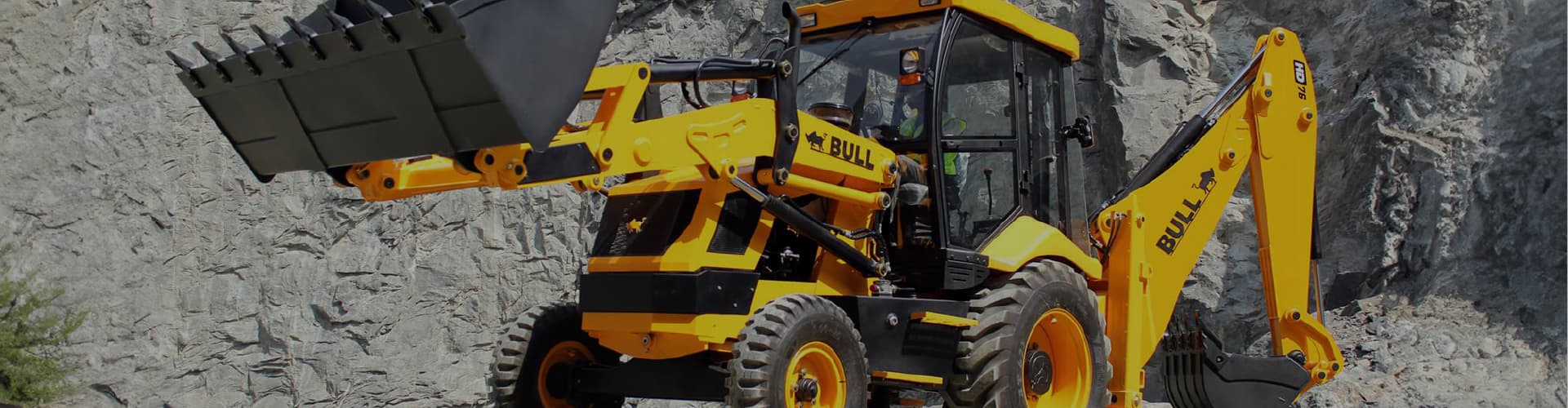
Electronic shift control keeps engine speed within its most fuel-efficient operating band far more consistently than manual gear selection typically achieves, particularly during the frequent acceleration and deceleration cycles common in loading and short-haul applications. Fleets running heavy equipment transmission systems across backhoe loaders and similar machines often see this efficiency gain compound meaningfully across a full year of continuous operating hours, since even a small per-cycle improvement in fuel burn adds up across thousands of shift cycles.
Reduced Operator Fatigue
Manual clutch and gear operation demands continuous physical input throughout a shift, and that repetitive physical load compounds into genuine fatigue well before the end of an eight or ten hour day. Removing that manual burden frees an operator to devote their full attention to the actual task at hand — positioning a bucket precisely, managing a load safely, watching for other equipment and personnel on site — rather than splitting attention between the task and the drivetrain.
Tips to Maintain Transmission Performance
Automatic transmissions are generally more reliable than manual systems over a service life, but that reliability still depends on a maintenance routine matched to the transmission's actual duty cycle.
Routine Maintenance
Transmission fluid condition, filter cleanliness, and cooler performance all directly affect shift quality and component life, and each degrades gradually under continuous heavy-duty use rather than failing suddenly without warning. Following the manufacturer's specified fluid change intervals, rather than extending them to save on service cost, is one of the most cost-effective maintenance decisions available on a heavy equipment fleet, since transmission fluid breakdown accelerates wear on every component it's meant to protect.
Common Warning Signs
Delayed or harsh shifting, unusual noise during gear changes, fluid leaks, or a burning smell from the transmission area are all early indicators worth investigating before they progress into a more serious failure. Catching these signs during a routine inspection, rather than waiting for a complete shift failure mid-operation, is generally the difference between a scheduled repair and an unplanned breakdown that takes the machine out of service for considerably longer.
FAQs
Are automatic transmissions more reliable than manual ones in heavy equipment?
Generally yes, over a full service life — electronic shift control reduces the clutch wear and shift-related damage that operator error can cause in a manual system, and modern automatic transmissions include diagnostic capability that helps catch developing issues earlier than a manual system typically allows.
How often should transmission fluid be changed in heavy equipment?
This depends on the specific transmission and duty cycle, and manufacturer-specified intervals should be the baseline rather than a maximum to stretch. Heavy-duty, continuous operation generally requires more frequent fluid changes than intermittent or light-duty use.
What are the earliest warning signs of transmission problems?
Delayed engagement, harsh or hesitant shifting, unusual noise, or any fluid leak are all worth investigating promptly. These symptoms typically appear well before a complete failure, giving a maintenance window to address the issue as a scheduled repair rather than an unplanned breakdown.
Conclusion
Automatic transmission technology delivers real, measurable advantages for heavy equipment — better fuel efficiency from precise electronic shift control, reduced operator fatigue from removing manual clutch and gear management, and generally stronger reliability over a service life when paired with proper maintenance. None of these benefits are automatic in the literal sense, though; they depend on choosing a transmission correctly matched to the machine's powertrain and following a maintenance routine built around its actual duty cycle rather than a generic schedule. Fleets that treat transmission maintenance with the same discipline as engine maintenance consistently get more productive years out of their equipment. If you're specifying equipment and want guidance on transmission options suited to your application, Genavco's equipment specialists can help match the right drivetrain to your operation.