An organized warehouse supports faster order fulfillment, efficient inventory movement, and safer operations. However, poor planning and inefficient warehouse storage practices often lead to wasted space, increased handling time, and unnecessary operating costs. From selecting the wrong pallet racking system to overlooking workflow optimization, small mistakes can significantly affect productivity. Identifying these challenges early helps businesses improve operational efficiency without expanding their facility.
Common Warehouse Storage Challenges
Poor Inventory Organization
One of the most common causes of warehouse inefficiency is poor inventory organization. Products stored without a logical system increase picking time, create unnecessary travel, and make stock management more difficult.
Businesses should organize inventory based on product demand, size, and movement frequency. Grouping fast-moving products in easily accessible locations helps reduce travel distances while improving overall material handling efficiency.
A structured storage strategy also improves inventory accuracy and supports smoother warehouse operations.
Inefficient Material Flow
Material flow directly affects warehouse productivity. Congested aisles, poorly positioned storage areas, and unnecessary product movement can slow operations and increase labour costs.
Optimizing receiving, storage, picking, and dispatch zones helps maintain a continuous workflow while reducing bottlenecks. Well-planned storage solutions also improve equipment movement and support safer warehouse operations.
How Pallet Racking Systems Improve Storage Efficiency
Increasing Forklift Accessibility
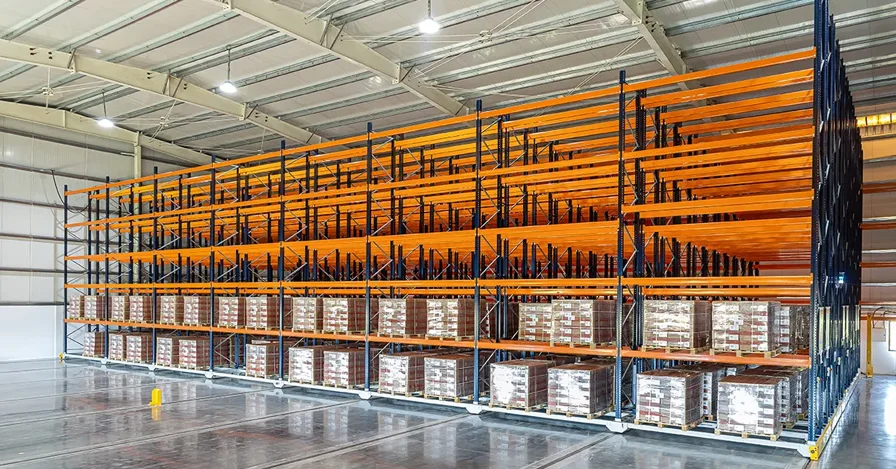
An efficient pallet racking system should provide easy access for forklifts while maximizing storage capacity. Poor rack spacing often limits maneuverability, increases handling time, and raises the risk of product damage.
Businesses should design storage layouts that balance storage density with accessibility, allowing operators to retrieve pallets safely and efficiently.
Proper aisle planning also contributes to better productivity without sacrificing available storage space.
Maximising Vertical Storage
Many warehouses underutilize vertical space while focusing only on floor storage. Expanding upward with appropriate racking systems allows businesses to increase capacity without increasing the warehouse footprint.
Modern industrial storage systems support higher storage densities while maintaining safe inventory access. Combined with effective layout planning, vertical storage helps improve space utilization and operational efficiency.
Best Practices for Optimising Warehouse Space
Improving Warehouse Safety
Safety should always be considered when designing warehouse storage layouts. Damaged racks, overloaded shelving, and blocked emergency routes increase operational risks and may disrupt daily activities.
Regular rack inspections, clearly marked traffic routes, and scheduled maintenance help create a safer working environment while protecting stored inventory.
Safe storage practices also improve equipment efficiency by reducing unnecessary delays during material movement.
Warehouse Automation
Modern warehouse automation technologies help businesses improve storage accuracy, reduce manual handling, and streamline inventory management.
Automated inventory tracking, barcode systems, and warehouse management software provide better visibility into stock levels while improving order fulfillment efficiency. When integrated with effective storage solutions, automation supports long-term warehouse growth and productivity.
Why Smart Storage Planning Improves Warehouse Performance
Efficient warehouse storage depends on more than installing additional racks. Businesses that combine a suitable pallet racking system, optimized workflows, and effective warehouse automation create facilities that support faster inventory movement and improved operational efficiency.
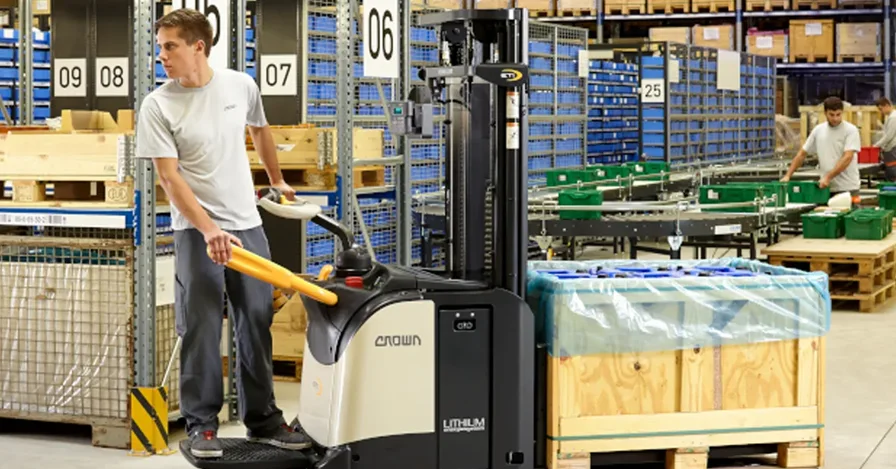
Solutions from Godrej Storage Solutions and Crown help businesses implement reliable storage systems and warehouse equipment that improve space utilization while supporting changing operational requirements. Investing in well-planned storage infrastructure helps reduce operating costs and prepares warehouses for future expansion.
FAQs
What are the most common warehouse storage mistakes?
Poor inventory organization, inefficient material flow, underutilized vertical space, and selecting the wrong pallet racking system are among the most common warehouse storage mistakes.
How does a pallet racking system improve warehouse efficiency?
A pallet racking system improves inventory accessibility, maximizes storage capacity, supports efficient forklift movement, and reduces unnecessary handling time.
Why is warehouse automation important for storage management?
Warehouse automation improves inventory accuracy, reduces manual processes, enhances order fulfillment, and helps businesses optimize storage space more effectively.
Conclusion
Avoiding common warehouse storage mistakes helps businesses improve productivity, reduce operating costs, and make better use of available space. By implementing the right pallet racking system, optimizing material handling processes, and adopting modern warehouse automation, warehouses can achieve greater efficiency without expanding their facilities. Investing in smart storage solutions today creates a stronger foundation for future operational growth.