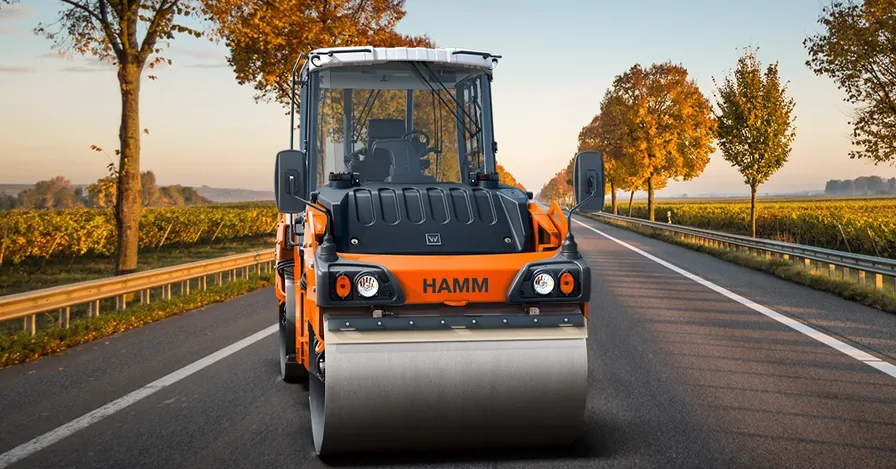
A modern job site now runs on more than diesel and manpower. Construction technology has moved firmly into the mainstream, with machines from brands like Shantui reporting their own location, condition, and productivity in real time. This shift toward connected equipment is changing what's possible for project managers who previously had to rely on radio calls and end-of-day paperwork to understand what was actually happening across a site.
As smart construction tools mature, the gap between connected and unconnected fleets is becoming one of the clearest differentiators in project delivery. Understanding what a truly connected site looks like, and the practical business benefits it delivers, helps contractors decide where construction innovation is worth investing in first.
What Defines a Connected Construction Site?
A connected site isn't defined by any single piece of technology, but by how consistently equipment, data, and people stay linked throughout the working day, rather than only at scheduled check-ins.
IoT-Enabled Equipment
Modern earthmoving and material handling machines increasingly ship with built-in sensors and connectivity that report engine hours, fuel level, fault codes, and location automatically. This is already standard on much of the heavy equipment available through Wirtgen, turning individual machines into continuous data sources rather than isolated units that only reveal their condition during a physical inspection.
Real-Time Fleet Visibility
With connected machines reporting continuously, site and fleet managers gain a live view of where every asset is and how it's being used, rather than a snapshot pieced together after the fact. This kind of visibility is a major reason Liebherr excavators, with their built-in telematics for real-time monitoring and geofencing, are so widely specified on large UAE infrastructure projects. Our wheel loader, backhoe loader and excavator guide covers this telematics capability in more detail.
Business Benefits of Smart Equipment
Connectivity is only valuable if it changes how decisions actually get made on site. The most tangible benefits show up in how quickly problems are spotted and how much unplanned downtime a fleet experiences.
Faster Decision-Making
When utilisation, location, and performance data update continuously rather than at the end of a shift, managers can reallocate equipment, adjust schedules, or flag underperforming machines the same day an issue appears, rather than discovering it a week later in a report. This responsiveness compounds over a project, reducing the number of decisions made on outdated information.
Reduced Downtime
Connected equipment flags developing faults, such as unusual temperatures, pressure readings, or fault codes, well before they cause a full breakdown. Catching these signals early allows maintenance to be scheduled around the work programme rather than forcing an unplanned stoppage mid-project, which is often the single most disruptive event a fleet manager has to deal with.
Preparing for the Next Generation of Construction
The connected job site is a foundation, not an endpoint. As more data becomes available across a project, the next wave of construction technology is starting to build directly on top of it.
AI-Assisted Project Management
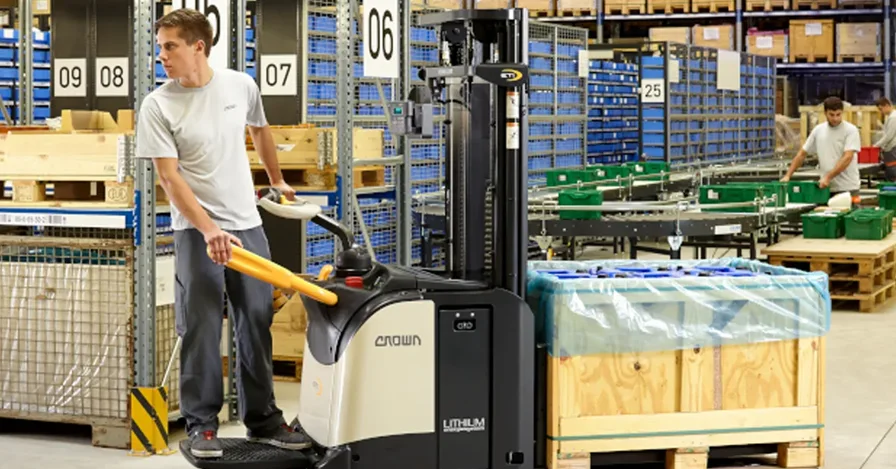
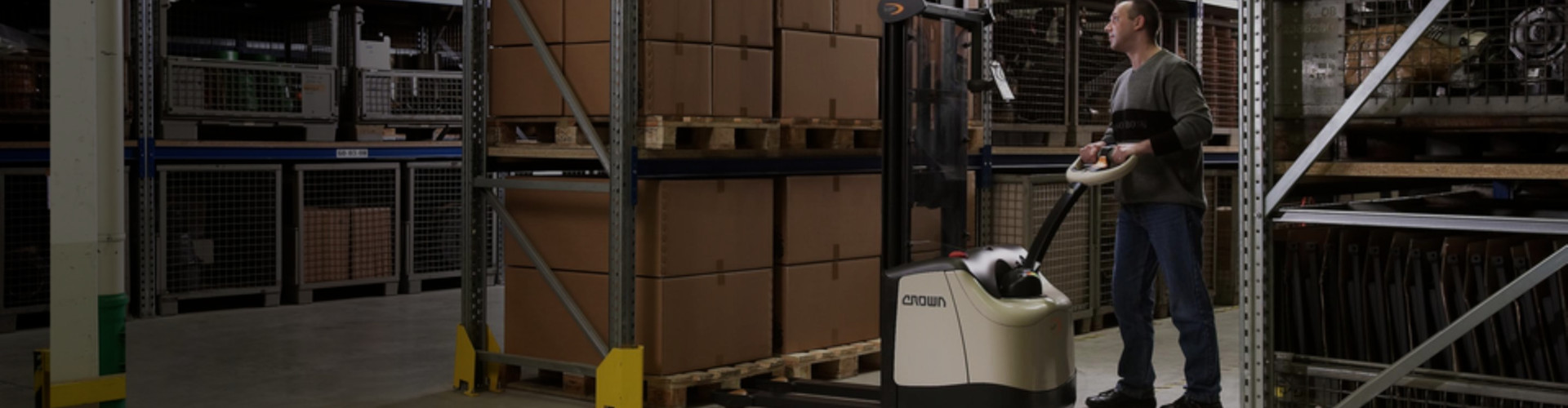
With enough historical and live data flowing from connected equipment, AI construction tools are starting to support scheduling and resourcing decisions directly, flagging likely delays, suggesting equipment reallocation, or predicting maintenance needs before a human reviewer would spot the pattern. Automated handling systems like those from Crown, already used to optimize repetitive material movement in warehouses, point to where similar automation is heading on the construction site itself.
Connected Fleet Ecosystems
The next step beyond individual connected machines is a fully integrated fleet management ecosystem, where excavators, loaders, and support vehicles all share data through a single platform. This gives a genuinely site-wide view of productivity and risk, rather than a series of disconnected reports from each equipment brand. Our forklift, reach truck and warehouse equipment guide shows how this kind of integrated approach is already playing out in material handling environments.
FAQs
What makes a construction site "connected"?
A connected site uses equipment fitted with sensors and telematics that report location, condition, and usage continuously, giving managers a live view of operations rather than relying on manual checks and end-of-shift reporting.
How does connected equipment reduce downtime?
By flagging early warning signs, such as abnormal temperatures or fault codes, connected equipment allows maintenance teams to intervene before a fault develops into a full breakdown, letting repairs be scheduled rather than forced by an unplanned stoppage.
Is AI already being used on construction sites?
Yes, though largely in supporting roles so far, such as flagging likely schedule delays, suggesting equipment reallocation, and predicting maintenance needs based on data from connected machinery. Broader autonomous operation is still emerging but is a natural extension of today's connected equipment.
Conclusion
The connected job site has moved from a future concept to a practical advantage available today, with connected equipment already delivering faster decisions and less downtime on projects across the UAE. As construction innovation continues to build on this foundation, from AI-assisted scheduling to fully integrated fleet ecosystems, the contractors who invest in connectivity now will be best placed to take advantage of what comes next, rather than playing catch-up once it becomes standard practice.