A well-maintained forklift is essential for safe and efficient warehouse operations. Whether it's an electric forklift, warehouse forklift, or reach truck, routine maintenance helps reduce unexpected downtime, improve operator safety, and extend equipment lifespan. Ignoring early warning signs can lead to costly repairs, disrupted workflows, and lower productivity. Recognizing maintenance issues before they become major failures helps businesses keep their material handling operations running efficiently.
Why Preventive Forklift Maintenance Matters
Reducing Equipment Downtime
Unexpected equipment failures can interrupt warehouse operations and delay order fulfillment. Preventive maintenance helps identify worn components before they fail, allowing businesses to schedule repairs during planned maintenance periods instead of dealing with emergency breakdowns.
Regular servicing also improves equipment reliability, ensuring forklifts remain available when needed for daily material movement.
Improving Workplace Safety
Forklifts operate in busy environments where safety is critical. Faulty brakes, steering issues, or hydraulic leaks can increase the risk of workplace accidents.
Routine inspections help ensure that every warehouse forklift operates safely while protecting both operators and surrounding personnel. A well-maintained forklift also provides better stability when handling heavy loads.
Common Warning Signs of Forklift Failure
Hydraulic Issues
The hydraulic system is responsible for lifting, lowering, and tilting loads. Any reduction in hydraulic performance should be addressed immediately.
Common signs include:
- Slow lifting speed
- Oil leaks beneath the forklift
- Unusual hydraulic noises
- Difficulty holding loads at height
Ignoring these issues may reduce lifting performance and increase repair costs.
Battery and Tyre Wear
For an electric forklift, battery condition directly affects operating efficiency. Reduced runtime, slow charging, or inconsistent performance often indicate that battery maintenance or replacement is required.
Tyres should also be inspected regularly for uneven wear, cuts, or reduced tread depth. Worn tyres affect machine stability, steering performance, and braking efficiency, particularly in busy warehouse environments.
Best Practices to Extend Forklift Lifespan
Daily Inspection Checklist
A simple inspection before each shift helps detect problems early and supports safe operation.
Daily checks should include:
- Hydraulic oil levels
- Battery condition or fuel level
- Brake performance
- Steering response
- Mast and fork condition
- Tyre pressure and wear
- Warning lights and alarms
Consistent inspections reduce the likelihood of unexpected failures and improve equipment reliability.
Scheduled Servicing
Routine servicing keeps a forklift operating efficiently throughout its lifecycle. Maintenance schedules should follow manufacturer recommendations and include lubrication, hydraulic inspections, battery testing, and replacement of worn components where necessary.
Planned servicing not only reduces downtime but also improves the performance of reach trucks and other warehouse equipment used in daily operations.
Why Regular Forklift Maintenance Supports Warehouse Efficiency
Warehouse productivity depends on reliable material handling equipment. Preventive maintenance helps businesses reduce repair costs, improve equipment availability, and maintain safe working environments.
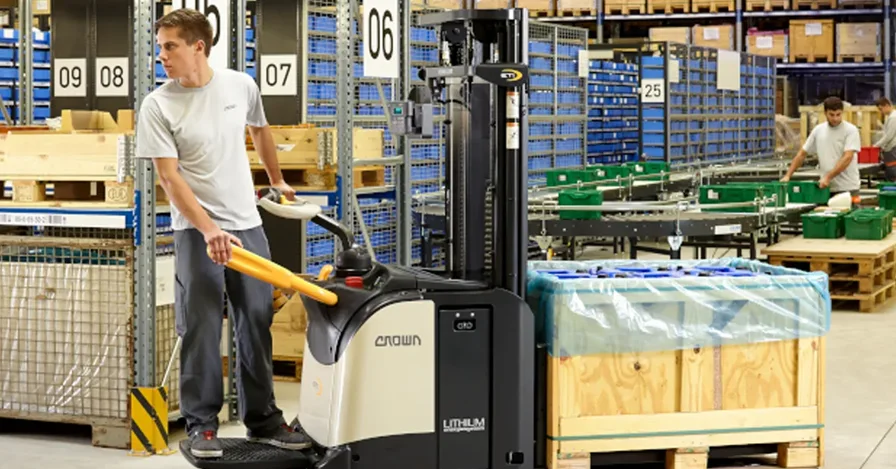
Companies operating electric forklifts, warehouse forklifts, and reach trucks benefit from structured maintenance programs that improve operational efficiency and extend equipment lifespan. Solutions from Crown and Godrej Storage Solutions support modern warehouse operations by combining dependable equipment with efficient storage systems designed for long-term performance.
FAQs
How often should a forklift be serviced?
Most forklifts should be serviced according to the manufacturer's maintenance schedule or after a specified number of operating hours. Daily inspections should also be carried out before each shift.
What are the common signs that a forklift needs maintenance?
Hydraulic leaks, reduced lifting performance, battery issues, unusual noises, tyre wear, and warning lights are common indicators that maintenance is required.
Why is preventive forklift maintenance important?
Preventive maintenance reduces equipment downtime, improves workplace safety, extends forklift lifespan, and helps avoid expensive emergency repairs.
Conclusion
Preventive maintenance is one of the most effective ways to keep a forklift operating safely and efficiently. By identifying hydraulic issues, monitoring battery and tyre condition, and following regular servicing schedules, businesses can reduce downtime and improve the reliability of their material handling operations. Investing in routine maintenance not only extends equipment lifespan but also supports safer and more productive warehouse environments.