Every warehouse starts somewhere with a basic hand pallet truck, and for low-volume operations, that's often all that's needed. The question is knowing when growing order volumes have quietly turned a simple, reliable tool into the thing actually holding the operation back. Moving from manual to powered pallet trucks is one of the most common equipment upgrades in warehousing, and getting the timing and equipment choice right has a real effect on both cost and productivity.
Understanding the signs that manual equipment has reached its limit, how powered trucks actually improve output, and how to choose between the range of material handling equipment available helps warehouses make this upgrade decision at the right time rather than too early or too late.
When Is a Hand Pallet Truck No Longer Enough?
A hand pallet truck works well for occasional, short-distance moves, but its limitations become increasingly costly as volume, distance, and shift length grow beyond what manual effort can sustain.
How to Identify Material Handling Bottlenecks
Queues forming at loading docks, staff spending a disproportionate share of their shift simply moving pallets rather than processing orders, and consistent delays during peak periods are all signs that manual handling capacity has fallen behind actual demand. These bottlenecks tend to build up gradually as order volumes increase, which is why they're often normalised as simply how busy the warehouse is, rather than recognised as a fixable equipment gap.
Signs Your Warehouse Has Outgrown Manual Equipment
Rising rates of strain-related injury claims, staff regularly requesting help to move heavier loads, and average pallet moves that take noticeably longer than they used to are practical indicators that manual equipment is no longer matched to current operational demand. When these signs appear together rather than in isolation, they usually point to a genuine capacity problem rather than a temporary busy period.
How Powered Pallet Trucks Improve Warehouse Productivity
Powered trucks remove the physical effort of pushing and manoeuvring loaded pallets, replacing it with battery-driven propulsion that maintains consistent speed regardless of load weight or operator fatigue. Our guide to how to choose the right forklift for warehouse operations covers how this kind of equipment fits into broader fleet planning.
Reducing Operator Fatigue During Long Shifts
Manually pushing loaded pallets over a full shift is physically demanding work that slows noticeably as fatigue sets in, particularly during the final hours of a long day. Powered trucks maintain the same speed and effort level from the first move of the shift to the last, removing the productivity decline that comes with physical exhaustion on manual equipment.
Faster Horizontal Material Movement
Powered trucks travel consistently faster than a person pushing a manual pallet truck, particularly over longer distances between dock and storage areas. This speed advantage compounds across a full shift, allowing a single operator to complete significantly more moves per hour than manual equipment could achieve regardless of how skilled or motivated that operator is.
Choosing the Right Pallet Handling Equipment
Powered pallet trucks aren't the only step up from manual equipment, and the right choice depends on what the warehouse actually needs to do with the pallets once they're moved. Our comparison of why pallet racking systems are essential for modern warehouses is a useful companion resource for planning storage alongside equipment upgrades.
Powered Pallet Trucks vs Stackers
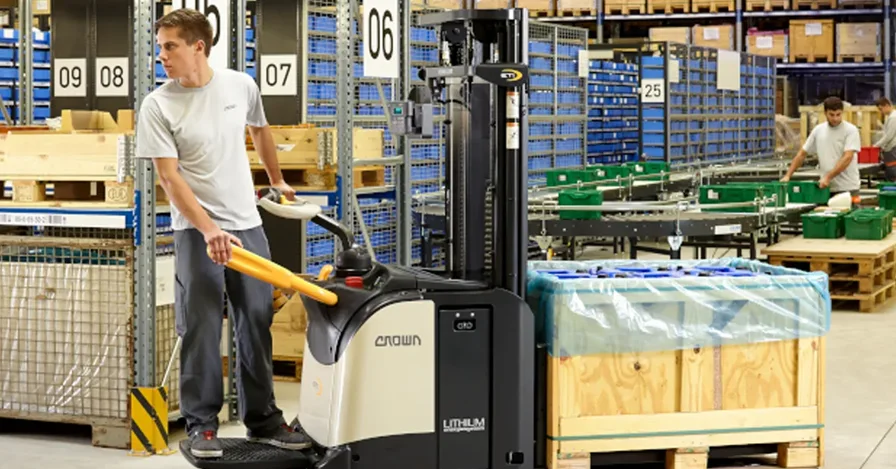
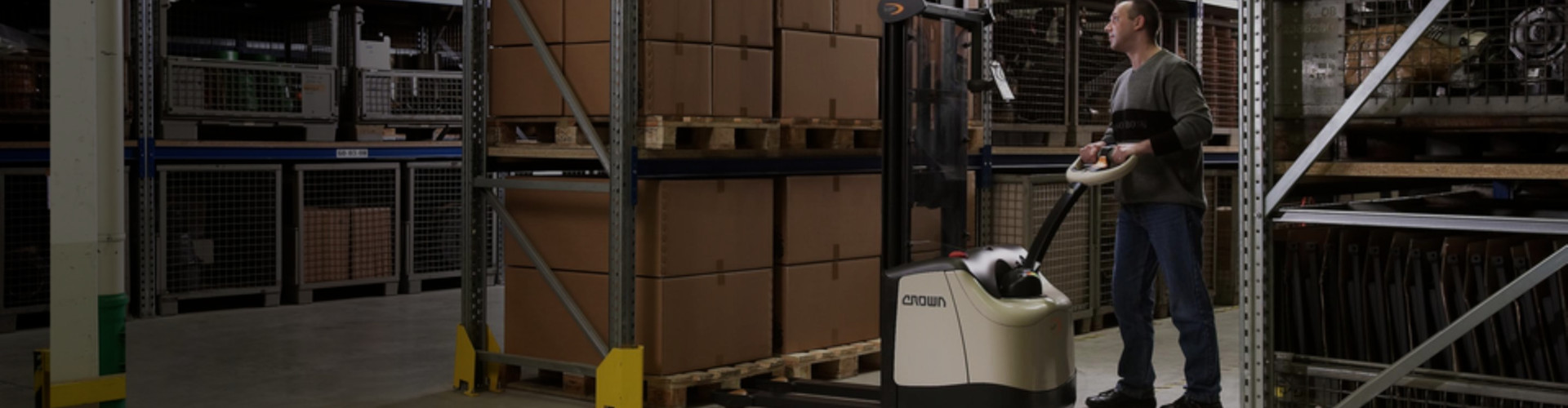
A powered pallet trolley moves loads horizontally at floor level, while a stacker adds the ability to lift pallets to low or mid-level racking positions. Operations that only need to move pallets across the floor are well served by powered trucks alone, while those needing to place pallets into racking will need a stacker or full forklift to complete that additional task.
Warehouse Size and Equipment Selection
Smaller warehouses with shorter travel distances often see a strong return from a single walk-behind hand pallet trolley upgraded to powered, while larger facilities with longer runs between dock and storage benefit more from ride-on pallet hand trucks that let the operator travel with the load rather than walking alongside it. Matching equipment configuration to actual travel distance and volume avoids both under- and over-specifying the upgrade.
FAQs
How do I know if my warehouse needs powered pallet trucks?
Persistent bottlenecks during peak periods, rising strain-related injury reports, and average pallet moves taking longer than they used to are all practical signs that manual equipment has fallen behind current demand and warrants an upgrade.
What is the difference between a powered pallet truck and a stacker?
A powered pallet truck moves loads horizontally at floor level only, while a stacker adds vertical lift capability, allowing pallets to be placed into low or mid-level racking rather than just transported across the floor.
Should I choose a walk-behind or ride-on pallet truck?
Walk-behind trucks suit shorter travel distances typical of smaller warehouses, while ride-on models are better suited to larger facilities with longer runs between dock and storage, where walking alongside the load would slow the operator down significantly.
Conclusion
The move from manual to powered pallet handling is rarely about replacing a working tool, it's about recognising when order volume has outgrown what manual effort can reasonably sustain. Warehouses that watch for the practical warning signs, and then select material handling equipment matched to their actual travel distances and volume, consistently see stronger gains in warehouse operations than those that either upgrade too early or wait until bottlenecks have already become a persistent problem.