Warehouse operations are evolving rapidly as businesses seek faster order processing, better inventory control, and improved operational efficiency. Modern warehouse automation combines intelligent equipment, digital technologies, and optimized workflows to simplify material handling while reducing manual intervention. From automated storage systems to advanced forklift solutions, automation helps warehouses improve productivity, maximize available space, and respond efficiently to increasing supply chain demands.
The Evolution of Warehouse Automation
Automation in Material Handling
Warehouse automation has transformed the way goods are received, stored, and dispatched. Instead of relying entirely on manual processes, businesses now integrate automated technologies that improve speed, accuracy, and inventory visibility.
Modern material handling systems help reduce repetitive tasks, improve workplace safety, and ensure smoother movement of goods across warehouses. Automated conveyors, smart storage systems, and intelligent lifting equipment all contribute to more efficient daily operations.
Smart Warehouse Solutions
Smart warehouses combine automation with digital monitoring to improve operational control. Technologies such as barcode scanning, warehouse management systems (WMS), and real-time inventory tracking enable businesses to manage stock more accurately.
These solutions also help warehouse managers optimize storage locations, reduce picking errors, and improve order fulfillment without increasing operational complexity.
Technologies That Improve Warehouse Efficiency
Forklifts and Narrow Aisle Trucks
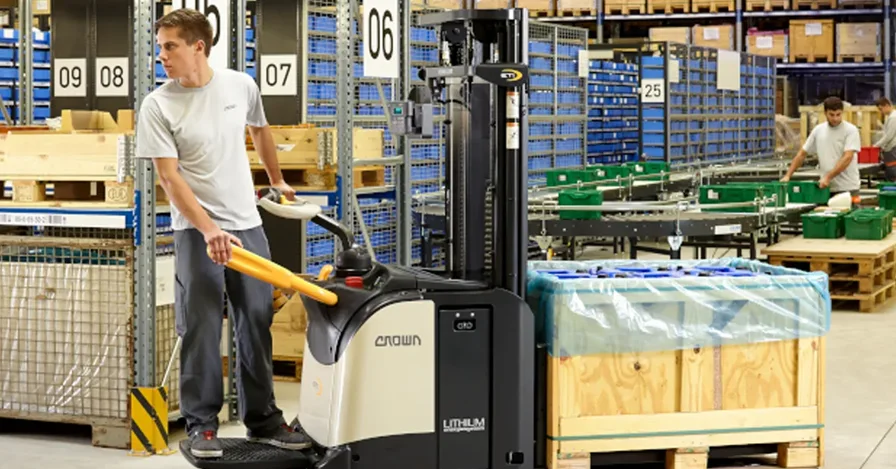
Modern forklifts remain one of the most important tools in warehouse operations. Businesses increasingly use electric forklifts, reach trucks, and narrow aisle equipment to transport goods safely while maximizing storage capacity.
In facilities with high-density storage, warehouse storage systems work alongside forklifts to improve accessibility and minimize unnecessary travel time. Selecting the right equipment helps businesses achieve faster material movement while improving overall warehouse efficiency.
Modern Storage Systems
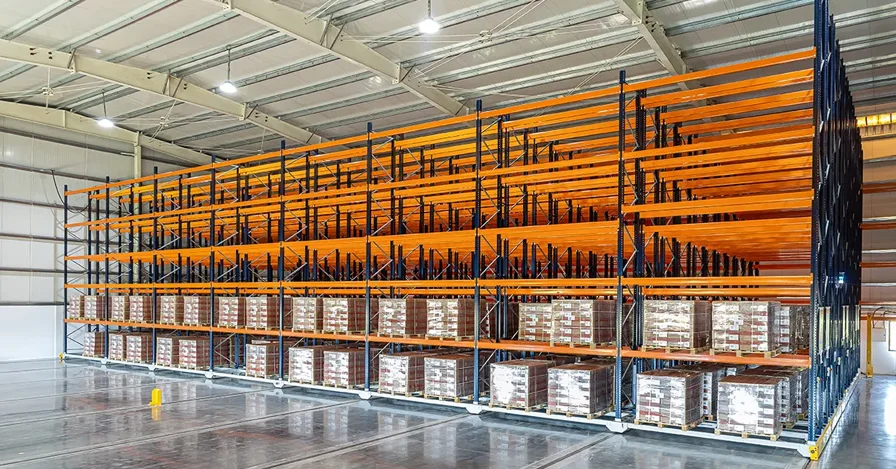
Efficient warehouse storage depends on selecting storage systems that support inventory requirements and operational workflows. High-density racking, selective pallet storage, and narrow aisle layouts allow businesses to maximize available floor space without affecting accessibility.
When integrated with automated inventory systems, these storage solutions contribute to better inventory accuracy and improved warehouse performance.
Building a Future-Ready Warehouse
Warehouse Layout Optimization
An optimized warehouse layout reduces travel distances, improves picking efficiency, and supports smoother material flow. Businesses should evaluate storage zones, aisle widths, receiving areas, and dispatch locations when planning warehouse operations.
Combining efficient layouts with automation technologies enables warehouses to accommodate future growth while maintaining consistent productivity.
Improving Inventory Accuracy
Accurate inventory management is essential for preventing stock shortages and reducing fulfillment errors. Automated tracking systems provide real-time inventory updates, making it easier to monitor stock movement and improve decision-making.
By integrating warehouse automation with effective material handling practices, businesses can maintain higher inventory accuracy while improving customer service and operational efficiency.
Why Businesses Are Investing in Warehouse Automation
Warehouses today require solutions that balance speed, accuracy, and scalability. Warehouse automation enables businesses to improve operational efficiency by reducing manual processes and optimizing material flow. Combined with reliable forklift solutions, intelligent warehouse storage, and modern warehouse management technologies, automation creates a more productive and adaptable working environment.
Manufacturers such as Crown, Godrej Storage Solutions, and Flexi provide equipment designed to support modern warehouse operations. Their solutions help businesses optimize storage capacity, improve material handling, and build efficient warehouse environments capable of meeting future operational demands.
FAQs
What is warehouse automation?
Warehouse automation uses technology and equipment to improve inventory management, material handling, storage, and order fulfillment while reducing manual processes.
How does warehouse automation improve efficiency?
Automation improves efficiency by reducing travel time, minimizing handling errors, optimizing warehouse storage, and increasing inventory accuracy.
Why are forklifts important in warehouse automation?
Forklifts play an important role in transporting materials safely and efficiently. When integrated with automated warehouse systems, they help improve workflow and maximize operational productivity.
Conclusion
Modern warehouse automation is transforming the way businesses manage inventory, storage, and material handling operations. By combining smart warehouse technologies, optimized warehouse storage, and reliable forklift solutions, companies can improve operational efficiency, enhance inventory accuracy, and create scalable warehouse environments. Investing in automation not only supports current business needs but also prepares warehouses for future growth and evolving supply chain requirements.