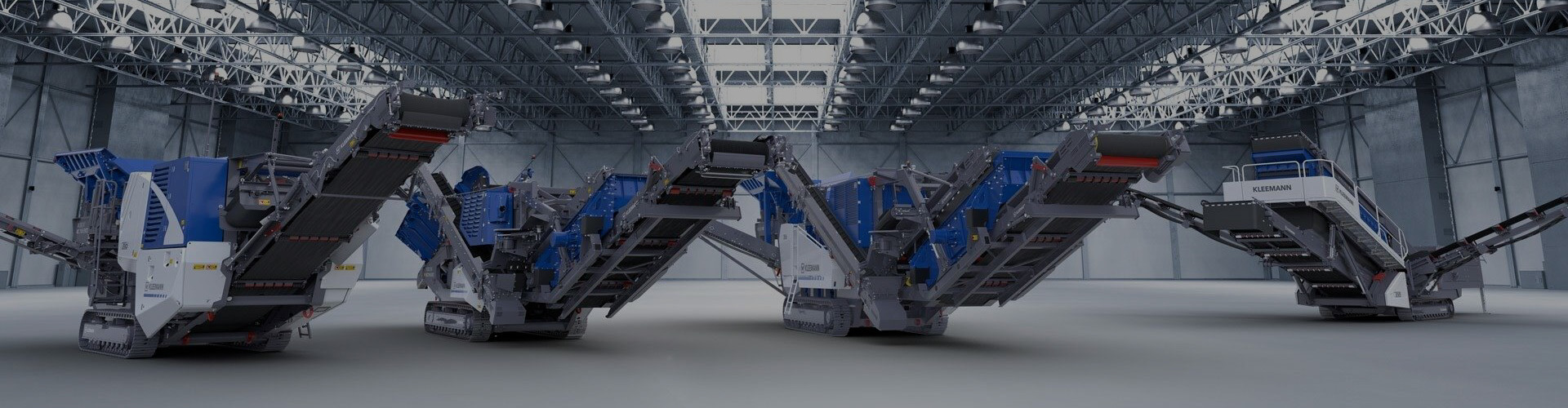
The single biggest decision in any crushing plant specification isn't horsepower or throughput rating, it's matching the right jaw crusher, cone, or impact crusher to the actual material being processed. Get this wrong, and even a well-built machine wears out faster than expected, jams more often, and struggles to hit its rated production. Get it right, and the same machine can run for years with predictable, manageable maintenance.
Understanding how to choose between stone crusher types, where crushing plants typically lose efficiency, and what keeps a mobile crusher running reliably gives operators a much stronger basis for equipment decisions than sizing by throughput figures alone.
Which Crusher Is Best for Your Material?
Material hardness, abrasiveness, and feed size determine which crusher type will actually perform well, and no single crusher design suits every material equally.
Jaw Crusher vs Cone Crusher: What's the Difference?
A jaw crusher applies compressive force between a fixed and moving plate, making it the standard choice for primary crushing of large, hard rock straight from the quarry face. A cone crusher works further downstream, reducing already-crushed material to a finer, more consistent gradation through a rotating crushing action better suited to secondary and tertiary stages of production.
When Should You Use an Impact Crusher?
An impact crusher uses high-speed impact rather than compression, making it well suited to softer, less abrasive materials and recycling applications such as crushed concrete. Impact crushers typically produce a more cubical product shape than jaw crushers, which matters for applications with specific particle shape requirements, but they wear faster on highly abrasive material such as granite.
How to Improve Crushing Plant Efficiency
Beyond crusher selection, how the plant is fed and balanced across stages determines whether it actually hits its rated production. Our guide to aggregates processing equipment for the UAE covers how crushing, screening, and washing stages need to work together as a single system.
Why Feed Size Matters for Better Production
Feeding material that's too large or too varied in size for a given crusher setting forces the machine to work harder than necessary, increasing wear and reducing throughput. Consistent feed size, supported by proper blasting practice and pre-screening where needed, allows a crusher to run closer to its rated capacity rather than constantly compensating for oversized or irregular material.
Common Crushing Plant Bottlenecks
A high-capacity crusher feeding an undersized screening plant simply produces a backlog rather than a more finished product, since overall output is capped by the slowest stage in the circuit regardless of how well earlier stages perform. These imbalances usually show up as unexplained stockpile buildup at one stage and material starvation at the next, which is exactly the kind of pattern that careful capacity planning across the whole circuit is designed to prevent.
How to Reduce Crusher Downtime
Crushers operate under continuous abrasive load, which makes disciplined maintenance one of the highest-leverage ways to protect production uptime. Our related guide to why automatic transmissions improve performance in heavy equipment looks at a similar reliability principle applied to a different equipment category, where consistent maintenance discipline matters as much as the machine's original specification.
Daily Crusher Inspection Checklist
A short daily check covering liner and jaw plate wear, hydraulic fluid levels, belt condition, and unusual noise or vibration catches developing issues before they cause an unplanned stoppage. Because wear parts in a crusher degrade on a fairly predictable curve under continuous abrasive load, consistent daily inspection is one of the most reliable ways to anticipate replacement needs rather than being caught off guard by a sudden failure.
Wear Parts That Need Regular Replacement
Jaw plates, mantle and concave liners, blow bars, and screen media all wear down through continuous contact with abrasive material and need scheduled replacement rather than being run to complete failure. Tracking wear rates against actual tonnage processed, rather than relying purely on a fixed time interval, gives a more accurate picture of when a specific part genuinely needs changing.
FAQs
What is the difference between primary, secondary, and tertiary crushing?
Primary crushing reduces large quarried rock to a manageable size, typically using a jaw crusher. Secondary and tertiary crushing further refine that material into specific gradations, usually using cone or impact crushers, to meet final product specifications.
How do I know if my crushing plant has a bottleneck?
Unexplained stockpile buildup at one stage combined with material starvation at the next stage is the clearest sign of a capacity imbalance somewhere in the circuit, usually traced back to one stage being significantly under- or over-sized relative to the others.
How often should crusher wear parts be replaced?
Replacement intervals depend heavily on material abrasiveness and tonnage processed rather than a fixed calendar schedule. Tracking wear against actual throughput gives a more reliable basis for replacement timing than relying on time alone.
Conclusion
Selecting the right crusher for the material at hand, keeping every stage of the crushing plant balanced against the others, and staying ahead of wear part replacement through consistent inspection are what separate a high-performing operation from one constantly fighting avoidable downtime. Businesses that treat crusher selection and maintenance as a system-level decision, rather than choosing a mobile crusher or fixed plant in isolation, consistently get more production and fewer surprises from their crushing operations.