When a warehouse starts running out of space, the instinctive response is usually to look at leasing more square footage. In most cases, that's the expensive way to solve a problem that a better pallet racking system could fix for a fraction of the cost. Storage capacity is rarely limited by floor area alone, it's limited by how effectively the vertical and horizontal space within that footprint is actually being used.
Understanding how to calculate real storage capacity, which warehouse racking configuration suits a specific operation, and how to plan for growth without a facility expansion, gives operations teams a much cheaper path to solving a space problem than signing a bigger lease.
Why Warehouse Racking Matters More Than Available Space
Two warehouses with identical floor plans can hold very different amounts of inventory, and the difference almost always comes down to how the racking is designed and used rather than the building itself.
How to Calculate Warehouse Storage Capacity
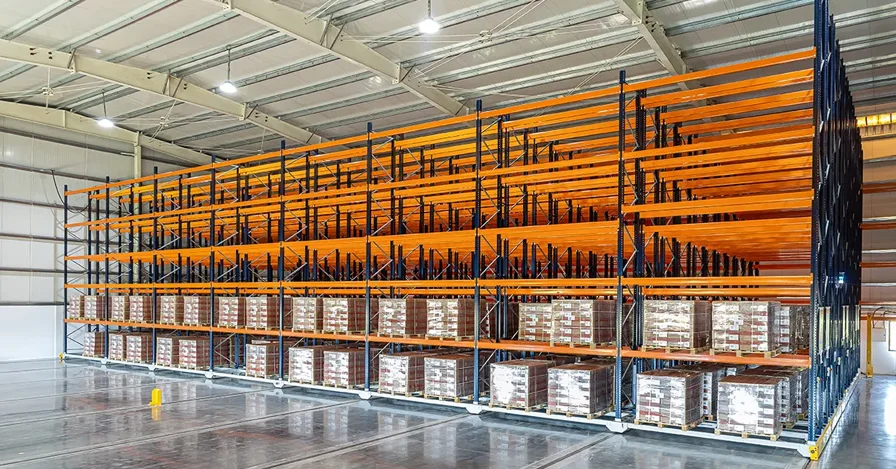
Usable storage capacity depends on ceiling height, aisle width, pallet positions per bay, and how much of the vertical space above head height is actually being used for storage rather than sitting empty. Many warehouses significantly underuse their available cubic volume simply because racking height was never reassessed after the original fit-out, leaving real capacity well below what the building could support.
Signs Your Warehouse Has Outgrown Its Current Racking
Overflow pallets stored in aisles, inventory stacked in ways that block clear sightlines, and pick teams regularly struggling to locate stock are all signs that racking capacity has fallen behind actual inventory volume. These issues tend to appear gradually as a business grows, which is why they're often normalised as "just how things are" long after a racking redesign would have solved them.
Which Warehouse Racking System Is Right for Your Business?
Different racking systems suit very different combinations of inventory type, pick frequency, and available height. Our deeper look at why pallet racking systems are essential for modern warehouses covers the core configurations available in more detail.
Pallet Racking vs Heavy Duty Shelving
Pallet racking suits palletised bulk inventory typically handled with forklifts or reach trucks as part of broader warehouse racking systems, while heavy duty shelving is better suited to smaller, individually picked items that don't require pallet-level handling. Many warehouses use a combination of both, matching each storage type to the specific inventory it holds rather than forcing everything into a single system.
How to Choose a Warehouse Racking System
Choosing between selective, drive-in, or narrow-aisle racking depends heavily on pick frequency, required storage density, and the type of industrial warehouse racking-compatible handling equipment already in use. Getting this choice wrong doesn't just waste space, it can also slow down picking operations for years until the system is eventually redesigned.
Best Practices for Long-Term Warehouse Storage Planning
A racking system installed for today's inventory volume can become a constraint within a few years if growth isn't factored into the original design.
How Warehouse Layout Affects Storage Capacity
Aisle width, racking orientation, and the placement of racking for warehouse zones relative to dock doors all influence how much usable storage a given footprint can actually deliver. Working with experienced racking system suppliers in UAE during the planning stage helps ensure these layout decisions maximise capacity rather than simply filling available space with the first configuration that fits.
Warehouse Safety Tips for Racking Systems
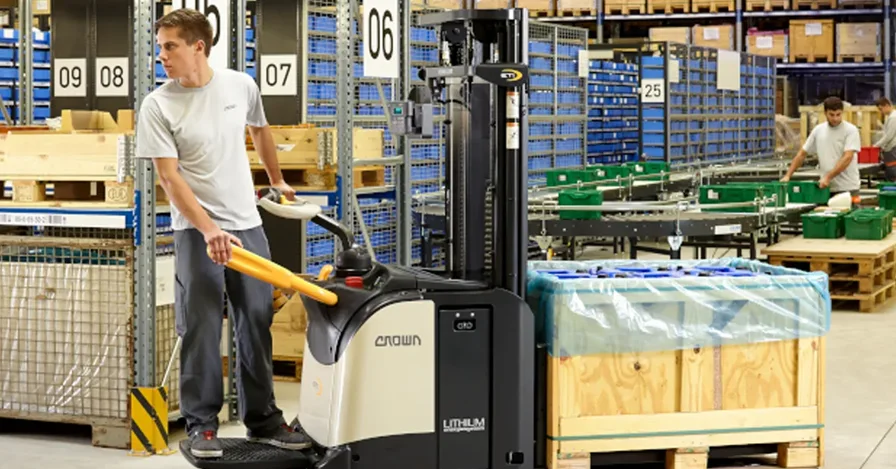
Racking that's overloaded, poorly anchored, or damaged from repeated forklift contact represents a serious safety risk that grows quietly over time. Our guide to how to choose the right forklift for warehouse operations is a useful companion resource, since matching the right forklift to aisle width and racking height significantly reduces the risk of collision damage that compromises structural integrity over time.
FAQs
Can better racking really avoid the need for warehouse expansion?
In many cases, yes. Because storage capacity is usually limited by how vertical and horizontal space is used rather than by total floor area, upgrading or redesigning racking can unlock significant additional capacity within an existing footprint before an expansion becomes necessary.
What is the difference between pallet racking and heavy duty shelving?
Pallet racking is designed for bulk, palletised inventory typically handled by forklifts or reach trucks, while heavy duty shelving suits smaller, individually picked items that don't require pallet-level handling equipment.
How often should a warehouse review its racking layout?
A layout review every few years, or whenever inventory volume or product mix changes significantly, helps catch capacity constraints and safety issues before they start affecting day-to-day operations.
Conclusion
Running out of storage space feels like a facility problem, but it's usually a racking problem wearing a facility problem's clothing. Calculating true storage capacity, choosing a warehouse racking configuration matched to actual inventory needs, and planning layout with future growth in mind consistently unlocks more usable space than most businesses realise is available within their existing walls. Working with an experienced supplier to get this right the first time remains far cheaper than solving a capacity problem with a bigger lease.