A decade ago, the choice between diesel, LPG, and electric forklifts came down to trade-offs — electric was quieter but weaker, diesel was powerful but couldn't run indoors without ventilation concerns. That trade-off has largely disappeared. Modern electric forklifts now match or exceed the performance of combustion alternatives for most warehouse applications, while cutting running costs and emissions at the same time. This guide looks at why the shift to electric has accelerated, the features actually driving warehouse productivity gains, and how to choose the right electric forklift for your operation.
Why Businesses Are Switching to Electric Forklifts
The economics of electric forklifts have shifted decisively over the past several years, to the point where the switch is now driven as much by operating cost as by any environmental consideration.
Lower Operating Costs
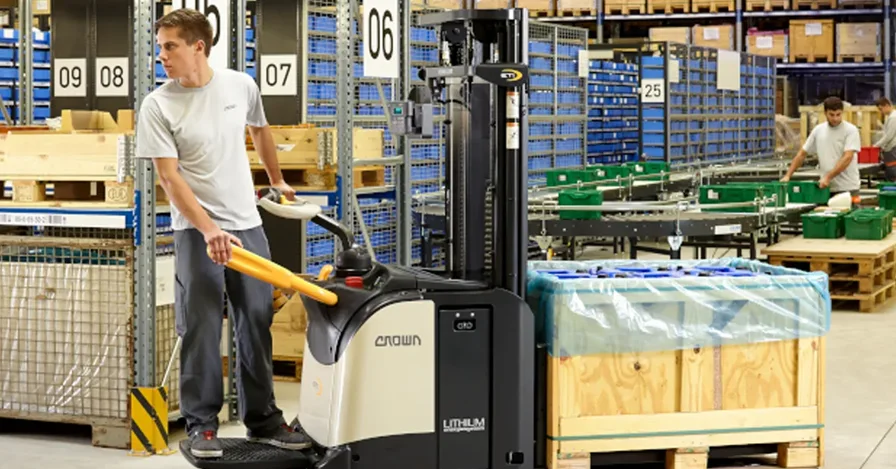
Electricity costs meaningfully less per operating hour than diesel or LPG, and electric powertrains have far fewer moving parts — no engine oil changes, no exhaust system, no fuel filters — which translates directly into lower scheduled maintenance costs over the machine's life. Lithium-ion battery technology has compounded this advantage further, since it eliminates the watering, equalising charges, and battery-room infrastructure that lead-acid systems require, while lasting significantly longer across charge cycles.
Sustainability Benefits
Electric forklifts produce zero exhaust emissions at the point of use, which matters both for warehouse air quality and for facilities working toward emissions reduction targets tied to sustainability reporting or green building certification. Beyond emissions, electric forklifts run significantly quieter than combustion alternatives, reducing noise exposure for warehouse staff working full shifts in close proximity to moving equipment.
Key Features That Improve Warehouse Productivity
Beyond running costs, the specific technology built into modern electric forklifts is what actually drives measurable productivity gains on the warehouse floor. Our forklift, reach truck, and VNA warehouse guide compares these equipment categories against the full range of warehouse material handling equipment in more depth.
Faster Material Movement
AC motor technology delivers stronger acceleration and lift speed than older DC systems, while regenerative braking recovers energy during deceleration and lowering rather than wasting it as heat. Forklift fleets built around this technology consistently move material faster across a shift than comparable diesel units, particularly in high-frequency pick-and-place operations where acceleration and braking cycles repeat constantly throughout the day.
Longer Operating Hours
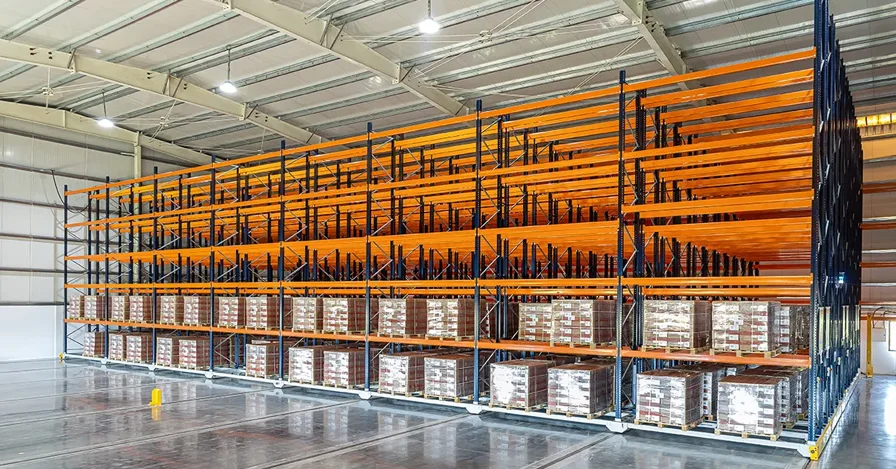
Opportunity charging — topping up a lithium-ion battery during natural breaks in operation rather than swapping out a depleted battery — keeps a forklift working through multi-shift operations without the downtime a battery-swap room requires. Electric forklift fleets running this charging approach pair particularly well with high-density racking systems, since neither the forklift nor the storage infrastructure needs to pause for a scheduled battery change mid-shift.
Choosing the Right Electric Forklift for Your Warehouse
Electric forklifts span a wide capacity and configuration range, and matching the right one to a warehouse depends on both the load being moved and the space it's moved through.
Load Capacity Considerations
Capacity requirements should be based on the heaviest routine load a forklift will handle, not an average figure, since undersizing capacity creates both a safety risk and a productivity bottleneck on high-weight pallets. Electric counterbalance models now cover the same 1.5 to 5.0 tonne range that combustion forklifts have traditionally served, which means capacity is rarely the deciding factor between electric and diesel anymore — it comes down to the operating environment instead.
Warehouse Layout Requirements
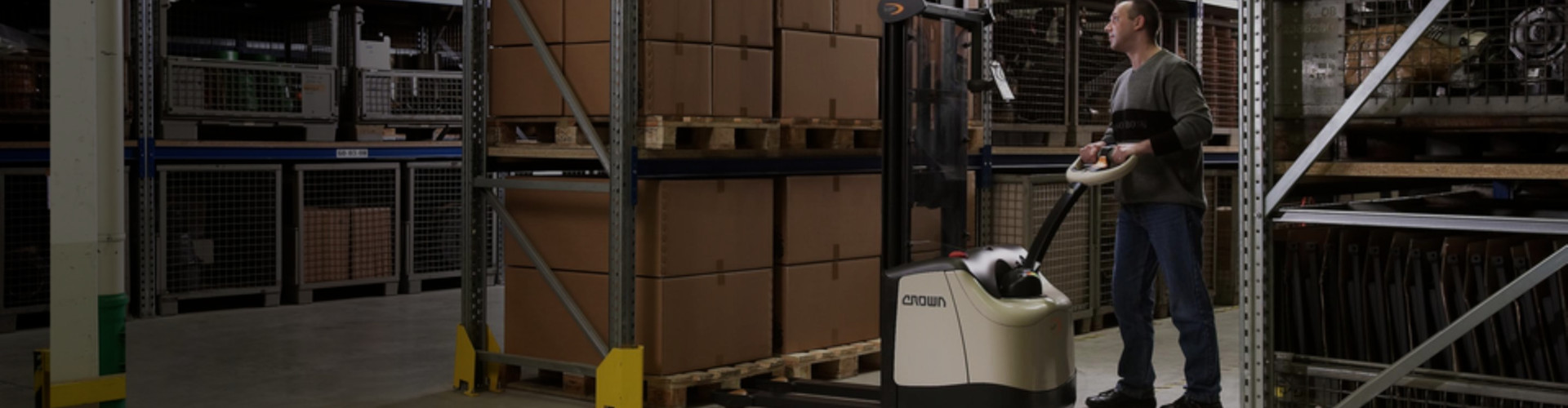
Aisle width is often the more decisive factor in forklift selection than capacity. A standard counterbalance forklift needs 3.5 to 4.0 metres to turn and place a pallet, while an articulated warehouse forklift can operate in aisles as narrow as 2.2 to 2.4 metres by articulating its mast rather than turning the whole chassis. For warehouses looking to increase storage density without expanding the building footprint, narrowing aisle width and switching to an articulated forklift is often a faster win than any other layout change available.
Frequently Asked Questions
Are lithium-ion forklift batteries worth the higher upfront cost compared to lead-acid?
For multi-shift operations, yes — lithium-ion batteries last significantly longer across charge cycles, support opportunity charging without damaging battery life, and eliminate watering and battery-room infrastructure costs, which typically offsets the higher initial purchase price within a few years of continuous use.
Can electric forklifts handle the same loads as diesel forklifts?
Yes — electric counterbalance forklifts are now available across the same 1.5 to 5.0 tonne capacity range that diesel models cover, so capacity is rarely the limiting factor. Diesel still holds an advantage in unventilated outdoor yard applications where charging infrastructure isn't practical.
How much narrower can warehouse aisles be with an articulated electric forklift?
Articulated forklifts can operate in aisles as narrow as 2.2 to 2.4 metres, compared to the 3.5 to 4.0 metres a standard counterbalance truck needs, which can translate into a meaningful increase in usable storage density within the same warehouse footprint.
Conclusion
The case for electric forklifts in 2026 rests on more than sustainability credentials — lower running costs, faster cycle times from AC drive and regenerative braking, and opportunity charging that keeps multi-shift operations moving without downtime all add up to a stronger productivity case than diesel alternatives offer for most indoor warehouse applications. Choosing the right electric forklift comes down to matching capacity and configuration — counterbalance or articulation — to your actual load profile and aisle widths, rather than defaulting to whatever was specified last time. If you're planning a warehouse fleet upgrade and want help matching the right electric forklift to your layout and throughput requirements, Genavco's material handling team can help build a specification suited to your operation.