Investing in the right forklift can significantly improve warehouse productivity, workplace safety, and material handling efficiency. However, selecting suitable equipment involves more than comparing lifting capacities or purchase costs. Businesses should evaluate operational requirements, warehouse layout, load characteristics, and future growth plans before making a decision. Whether choosing an electric forklift, a warehouse forklift, or an articulated forklift, understanding these factors helps maximize equipment performance and long-term return on investment.
Choosing the Right Forklift
Load Capacity
Load capacity is one of the first considerations when selecting a forklift. Every business handles different types of products, pallet sizes, and load weights, making it important to choose equipment that meets daily operational requirements.
Selecting a forklift with insufficient capacity may affect safety, while oversized equipment can increase operating costs without improving efficiency. Reviewing both current and future material handling requirements helps businesses make a more informed investment.
Lift Height
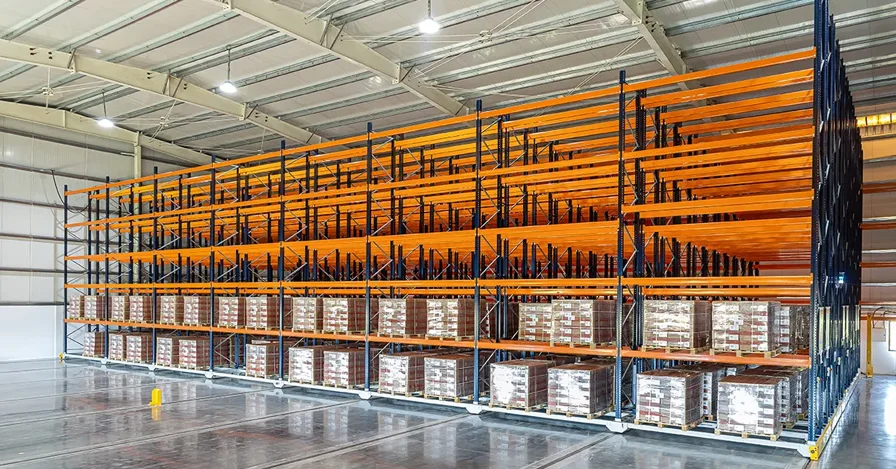
Warehouse storage systems often determine the lift height required for daily operations. Businesses using high-bay racking need forklifts capable of safely accessing upper storage levels without compromising stability.
Evaluating rack height, pallet dimensions, and available operating space ensures the selected forklift supports efficient inventory handling while improving warehouse productivity.
Common Forklift Types
Electric Forklifts
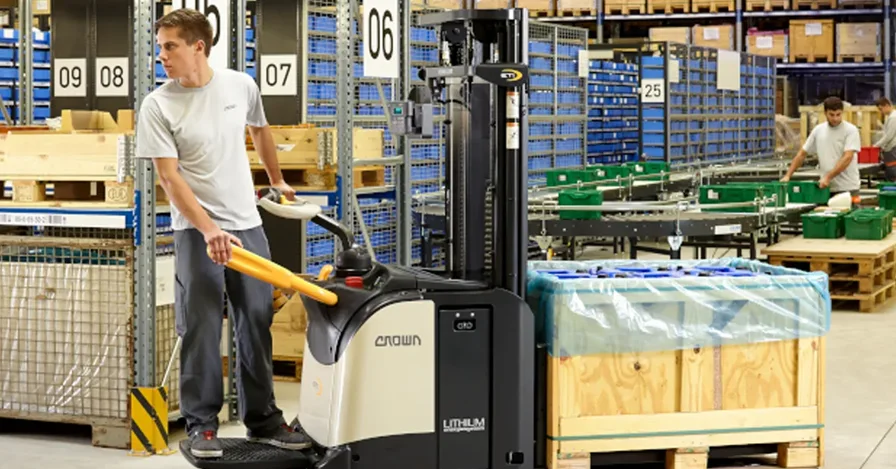
An electric forklift is widely used in warehouses because of its quiet operation, low emissions, and reduced maintenance requirements. These machines are suitable for indoor environments where air quality, noise control, and energy efficiency are important.
Businesses operating distribution centres and logistics facilities often choose electric forklifts to improve sustainability while reducing long-term operating expenses.
Articulated Forklifts
An articulated forklift is designed for facilities with narrow aisles and limited maneuvering space. Its pivoting mast enables operators to navigate compact warehouse layouts while maintaining efficient load handling.
Warehouses focused on maximizing storage density frequently select articulated forklifts to improve accessibility without expanding their storage footprint.
Warehouse Planning Tips
Storage Optimisation
A forklift performs most efficiently when integrated with a well-planned warehouse layout. Proper aisle widths, organized storage zones, and suitable racking systems reduce unnecessary travel while improving workflow.
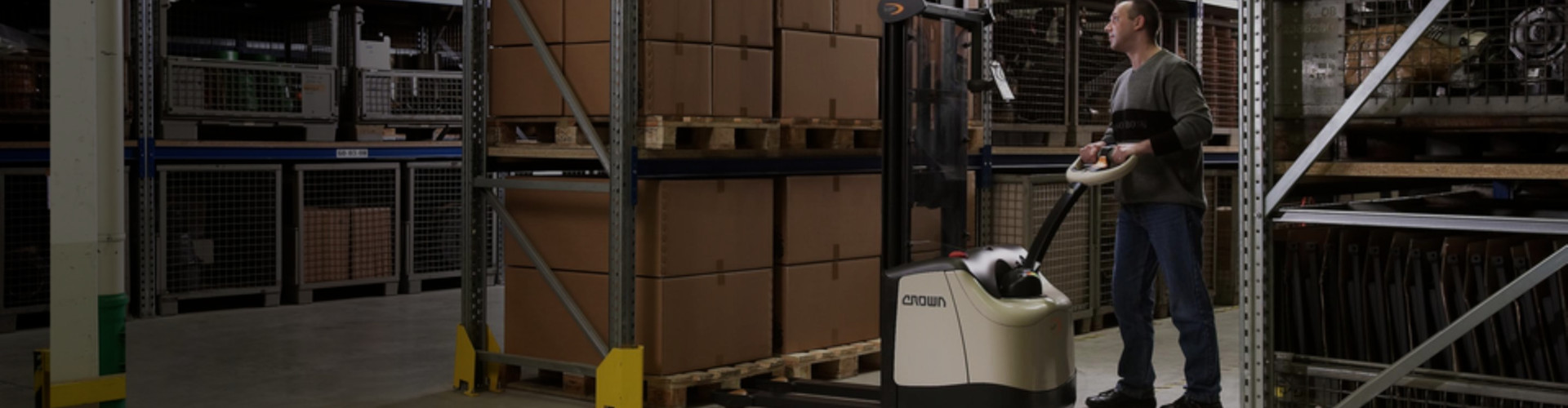
Businesses should also consider complementary equipment such as a pallet truck for short-distance material movement, allowing forklifts to focus on heavier lifting tasks.
Combining efficient layouts with reliable warehouse solutions helps improve inventory accessibility and operational performance.
Safety Considerations
Safety should remain a priority throughout the equipment selection process. Before purchasing a warehouse forklift, businesses should evaluate operator visibility, braking systems, turning radius, and stability under load.
Regular operator training, scheduled maintenance, and daily equipment inspections also contribute to safer warehouse operations while extending equipment lifespan.
Why the Right Material Handling Equipment Improves Warehouse Performance
Selecting suitable material handling equipment is an investment in long-term operational efficiency. The right forklift improves inventory movement, reduces handling time, and supports safer warehouse operations while adapting to changing business requirements.
Manufacturers such as Crown and Godrej Storage Solutions provide equipment and storage systems designed to improve warehouse productivity across logistics, retail, manufacturing, and industrial environments. Choosing equipment that aligns with warehouse operations helps businesses optimize workflows while supporting future expansion.
FAQs
What type of forklift is best for warehouse operations?
The ideal forklift depends on warehouse layout, lifting requirements, aisle width, and the type of materials being handled. Electric forklifts are suitable for indoor environments, while articulated forklifts perform well in narrow aisle applications.
Why is lift height important when choosing a forklift?
Lift height determines whether a forklift can safely access storage racks while maintaining stability. It should always match the warehouse storage configuration.
What factors should businesses consider before buying a forklift?
Businesses should evaluate load capacity, lift height, warehouse layout, operating environment, maintenance requirements, and long-term operational needs before selecting a forklift.
Conclusion
Choosing the right forklift requires careful evaluation of operational requirements, warehouse layout, and future business growth. Whether investing in an electric forklift, an articulated forklift, or supporting equipment such as a pallet truck, selecting the right solution helps improve productivity, enhance workplace safety, and optimize material handling operations. A well-informed investment not only supports current warehouse requirements but also provides the flexibility needed for long-term operational success.