An excavator is one of the most productive machines on a construction site, but its performance depends on how it is operated and maintained. Even a high-performing crawler excavator or hydraulic excavator can experience reduced efficiency when operators overlook routine inspections, use incorrect digging techniques, or delay maintenance. Understanding these common mistakes helps contractors improve productivity, reduce downtime, and extend the service life of their construction machinery.
Common Excavator Operating Mistakes
Incorrect Bucket Selection
Selecting the wrong bucket for a specific application is one of the most common reasons for reduced excavator performance. A bucket that is too large can overload the machine, while a bucket that is too small may reduce productivity and increase operating time.
Before starting any excavation work, operators should consider:
- Soil and material type
- Required digging depth
- Bucket capacity
- Project requirements
Matching the correct attachment to the task allows the excavator to perform efficiently while minimizing unnecessary wear on the hydraulic system.
Poor Digging Techniques
Machine productivity depends heavily on proper operating techniques. Aggressive digging, incorrect boom positioning, and repeated overloading can increase fuel consumption and place unnecessary stress on machine components.
A hydraulic excavator performs best when operators maintain smooth, controlled movements and avoid exceeding recommended operating limits. Efficient digging techniques also improve cycle times and reduce component wear.
How Proper Equipment Selection Improves Efficiency
Choosing the Right Excavator Size
Selecting equipment based solely on availability rather than project requirements often leads to lower productivity. A machine that is too small may struggle with heavy workloads, while an oversized excavator can increase operating costs and reduce maneuverability.
Businesses should evaluate:
- Project size
- Ground conditions
- Lift requirements
- Working space
- Material type
Choosing the right crawler excavator or hydraulic excavator helps improve operational efficiency while supporting safer site operations.
Matching Attachments to Applications
Modern excavators support a wide range of attachments that increase machine versatility. Buckets, hydraulic breakers, grapples, and augers allow contractors to perform multiple tasks using the same machine.
Selecting suitable attachments improves productivity while reducing the need for additional heavy equipment on site. It also helps contractors complete excavation, demolition, and material handling tasks more efficiently.
Maintenance Tips to Maximise Excavator Performance
Daily Inspection Checklist
Routine inspections are one of the simplest ways to prevent unexpected failures and improve machine reliability.
Daily checks should include:
- Hydraulic oil level
- Engine oil and coolant
- Bucket and attachment condition
- Track or tyre inspection
- Hose and fitting inspection
- Warning lights and safety systems
Consistent inspections support effective excavator maintenance and help identify issues before they affect project performance.
Preventive Maintenance Best Practices
Preventive maintenance reduces downtime and extends equipment lifespan. Following the manufacturer's service schedule ensures that filters, lubricants, hydraulic components, and engine systems continue to operate efficiently.
Keeping detailed maintenance records also helps contractors plan servicing without interrupting ongoing projects, improving the overall reliability of their construction machinery.
Why Preventive Maintenance Improves Excavator Productivity
Construction projects depend on reliable equipment that can perform consistently under demanding conditions. Combining proper operator practices with structured excavator maintenance helps businesses improve productivity, reduce repair costs, and maximize equipment availability.
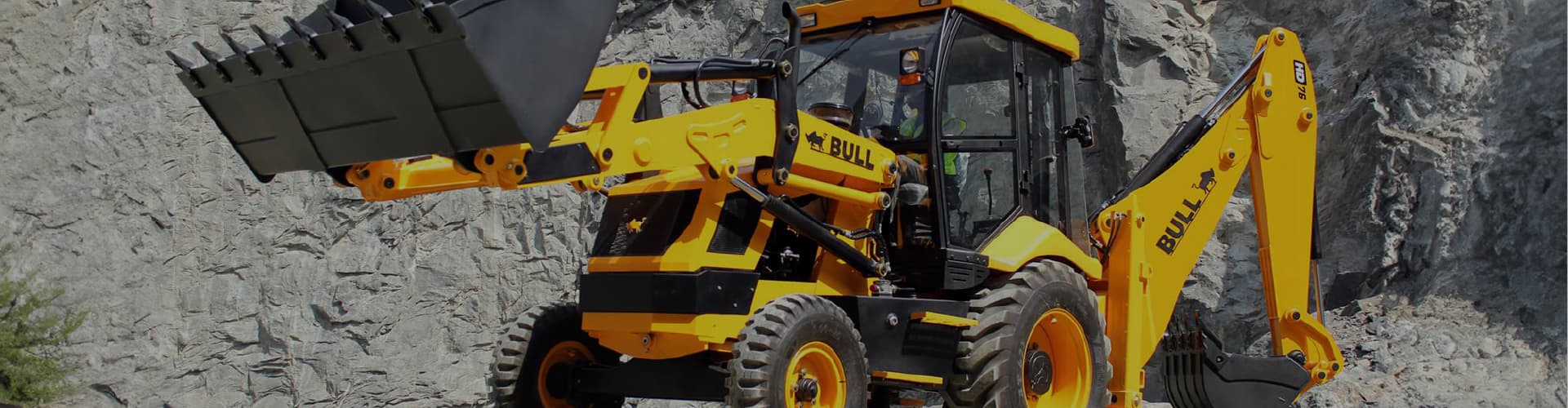
Manufacturers such as Bull provide excavators designed for earthmoving, infrastructure, and industrial applications. When supported by regular inspections, correct attachment selection, and preventive maintenance, these machines deliver dependable performance throughout their operating life.
FAQs
What are the most common excavator operating mistakes?
Using the wrong bucket, poor digging techniques, skipping daily inspections, and delaying maintenance are among the most common mistakes that reduce excavator productivity.
Why is preventive excavator maintenance important?
Preventive maintenance helps reduce unexpected breakdowns, improve machine reliability, lower repair costs, and extend equipment lifespan.
How do I choose the right excavator for a project?
Project size, soil conditions, digging depth, attachment requirements, and available working space should all be evaluated before selecting an excavator.
Conclusion
Avoiding common operating mistakes is essential for getting the best performance from an excavator. Selecting the right attachments, using efficient digging techniques, and following a structured excavator maintenance program help improve productivity while reducing downtime. Whether operating a crawler excavator or hydraulic excavator, proactive maintenance and informed equipment selection enable contractors to maximize the value of their construction machinery across every project.