An aggregate production operation is only as strong as its weakest stage, and that stage is rarely obvious until output falls short of what the site should be capable of. Choosing between a mobile crusher and a fixed plant, matching jaw crusher, impact crusher, or cone crusher technology to the material actually being processed, and keeping screening plant and sand washing plant capacity balanced against crushing output all determine whether a site hits its production potential or quietly underperforms it.
This guide walks through how to match crusher type to material, how to balance capacity across crushing and screening stages without expanding the plant, and how to build a smarter aggregate operation around screening and washing rather than crushing capacity alone.
Mobile Crushers and Jaw Crushers: Matching Machine to Material
The first decision in any aggregate operation is what class of crusher actually suits the site's material, scale, and mobility requirements, and getting this choice right shapes everything downstream.
When a Mobile Crusher Outperforms a Fixed Plant
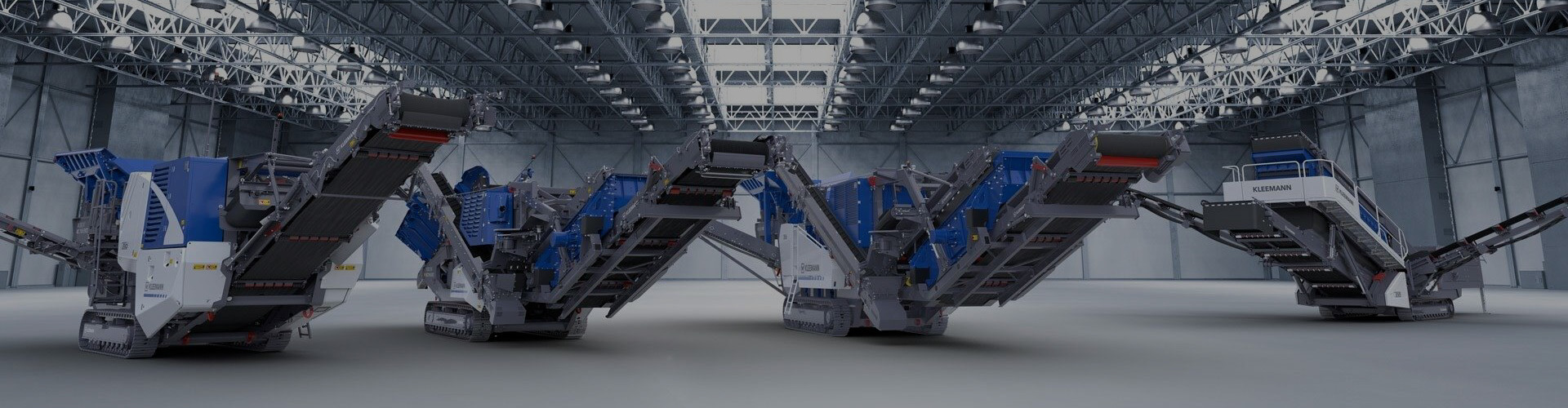
A mobile crusher earns its place whenever an operation needs to relocate between quarry faces, work multiple sites, or process material close to where it's excavated rather than hauling it to a fixed plant. Fixed installations still deliver higher sustained throughput for permanent, high-volume operations, so the right choice depends on whether flexibility or maximum production rate matters more for the specific site in question.
Jaw Crusher Selection: Reducing Screening and Crushing Inefficiencies
A jaw crusher applies compressive force to reduce large, hard rock straight from the quarry face, and getting its setting and feed size right at this primary stage prevents downstream screening and secondary crushing from having to compensate for inconsistent input. Oversized or irregular feed reaching the jaw crusher inconsistently creates uneven output that ripples through every later stage of the plant.
Impact and Cone Crushers: Balancing Capacity Without Expansion
Once material moves beyond primary crushing, choosing the right secondary crusher and keeping capacity balanced across stages is what actually determines total plant throughput. Our complete guide to aggregates processing equipment for the UAE covers this full crushing, screening, and washing chain in more detail.
Impact Crusher vs Cone Crusher: Choosing by Material Hardness
An impact crusher uses high-speed impact rather than compression, making it well suited to softer, less abrasive materials and recycling applications, but it wears faster on hard, abrasive rock such as granite. A cone crusher handles harder, more abrasive material more efficiently through its rotating compressive action, making material hardness the primary factor in choosing between the two rather than throughput alone.
Improving Plant Throughput Without Adding More Equipment
Total plant output is capped by its slowest stage, so a high-capacity crusher feeding an undersized screen simply produces a backlog rather than more finished product. Rebalancing existing equipment, adjusting feed rates, and clearing bottlenecks at the true constraint stage often unlocks meaningful throughput gains without the capital cost of adding another machine to the line.
Screening Plants and Sand Washing: Building a Smarter Aggregate Operation
Crushing gets material to size, but screening and washing are what actually turn it into a product that meets construction specification. Our related guide to why automatic transmissions improve performance in heavy equipment looks at a similar reliability principle applied to a different equipment category, where consistent maintenance discipline drives long-term performance just as much as the original specification.
Screening Plant Capacity: Planning Preventive Maintenance
Screen media, tensioning springs, and drive components wear continuously under vibration and material load, and scheduled inspection is what catches developing issues before they cause an unplanned stoppage that stalls the whole plant. Tracking wear against actual tonnage processed, rather than a fixed calendar interval, gives a more accurate picture of when specific components genuinely need attention.
Sand Washing Plant Efficiency: Reducing Operating Costs
Water recycling capacity, screen media condition, and matching washing intensity to the actual contamination profile of the feed material all influence how efficiently a sand washing plant operates. Over-washing material that doesn't need thorough fines removal wastes water and energy, while under-washing risks producing sand that fails to meet concrete-grade specification.
FAQs
How do I choose between a jaw crusher and an impact crusher for primary crushing?
Jaw crushers are the standard choice for hard, abrasive rock straight from the quarry face, while impact crushers suit softer material and recycling applications. Material hardness and abrasiveness should drive this decision more than throughput targets alone.
What causes a crushing and screening plant to underperform its rated capacity?
Capacity imbalances between crushing, screening, and washing stages are the most common cause, where a high-output crusher feeding an undersized downstream stage creates a bottleneck that caps total plant throughput regardless of crusher capacity.
Is a mobile crusher a good long-term investment for a permanent quarry site?
Fixed installations generally deliver higher sustained throughput for permanent, high-volume sites, while mobile crushers are better suited to operations needing flexibility across multiple locations. The right choice depends on whether the site's needs are genuinely permanent or likely to require relocation.
Conclusion
Aggregate plant performance depends on how well crushing, screening, and washing stages work together, not on any single machine's rated capacity in isolation. Matching jaw crusher, impact crusher, or cone crusher technology to actual material hardness, keeping capacity balanced across every stage, and maintaining screening plant and sand washing plant equipment consistently gives operators a realistic path to hitting production targets without unnecessary capital expansion.
Industries This Guidance Applies To
The principles in this guide apply across the range of sectors GENAVCO supports with crushing, screening, and washing equipment, including quarry and mining operators, aggregate and construction material producers, road and infrastructure contractors sourcing their own material, and recycling operations processing construction and demolition waste. While plant configuration varies by material type and scale, the underlying approach, matching crusher technology to material hardness and keeping stages balanced across the plant, holds across all of these operating environments.
Recommendations are informed by equipment supplied and supported across these sectors in the UAE, giving practical grounding in how aggregate plant decisions perform under real operating conditions rather than only in theory. Any specific crusher selection or plant configuration should still be validated against an individual site's own material characteristics and production targets, since no general guide can substitute for a proper site-specific assessment.