Warehouses rarely fail because of one dramatic problem. They fall behind because material handling equipment, automation, and day-to-day management decisions were never planned to work together in the first place. A well-chosen forklift fleet can still underperform if it's supporting a poorly managed process, and automation investments can disappoint if they're layered onto workflows that were never fixed at the root. Getting real, lasting improvement means looking at equipment, automation, and management as one connected system rather than three separate decisions.
This guide walks through where to start with equipment and warehouse automation decisions, how forklift deployment actually connects to warehouse productivity, and the management practices that keep warehouse operations running smoothly once the right systems are in place.
Material Handling Equipment and Warehouse Automation: Where to Start
Before comparing specific machines or automation platforms, it helps to be clear about what problem is actually being solved. Equipment and automation decisions made without this clarity tend to address symptoms rather than the underlying process issue.
Choosing Material Handling Equipment That Matches Your Actual Process
Equipment selection should follow process mapping, not precede it. Understanding exactly how material moves from receiving through storage to dispatch reveals which tasks actually need mechanical assistance and which are simply organised inefficiently. Our guide to how to choose the right forklift for warehouse operations covers this matching process for forklift selection specifically.
Warehouse Automation: What It Solves and What It Doesn't
Automation excels at removing repetitive, predictable tasks and reducing variability in execution, but it doesn't fix a fundamentally disorganised layout or poor inventory data underneath it. Businesses that automate a broken process typically end up with a faster version of the same problem rather than a genuine improvement, which is why process clarity needs to come before automation investment, not after.
Warehouse Productivity and Forklift Deployment: The Real Connection
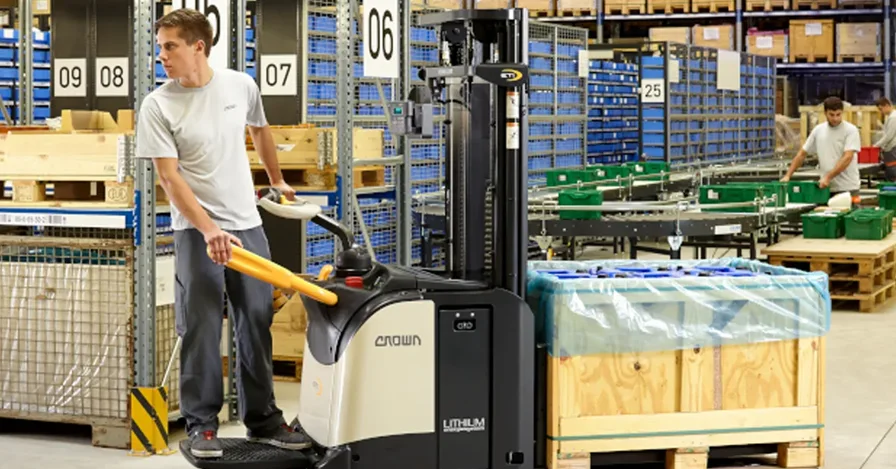
Forklift decisions are often treated as a simple headcount question, but how a fleet is deployed across a facility has just as much influence on productivity as how many machines are on the floor.
How Warehouse Productivity Is Actually Measured
Meaningful productivity measurement looks at output per labour hour and per piece of equipment, not just total volume moved, since total volume alone doesn't reveal whether that output came efficiently or through brute-force overstaffing. Tracking utilisation, cycle time, and travel distance alongside raw throughput gives a far more complete and actionable picture of where a warehouse actually stands.
Choosing the Right Forklift for Your Warehouse Layout
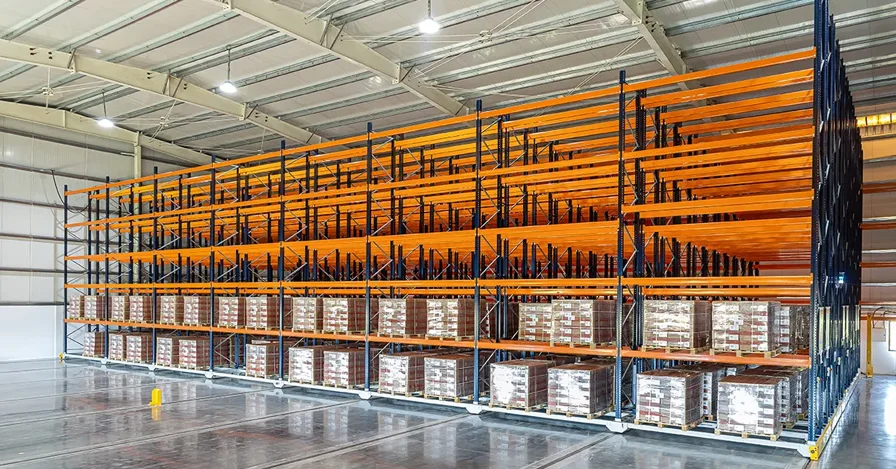
Aisle width, racking height, and floor surface all determine which forklift types can even operate effectively within a given layout, independent of task requirements. Our comparison of why pallet racking systems are essential for modern warehouses explains how racking configuration and forklift selection need to be planned together rather than as separate, sequential decisions.
Improving Warehouse Operations Through Better Management Practices
Equipment and automation set the ceiling for what a warehouse can achieve, but day-to-day management practices determine how close operations actually get to that ceiling.
Common Warehouse Operations Bottlenecks
Poor slotting, inconsistent putaway discipline, and unclear task prioritisation during peak periods are recurring bottlenecks that show up across very different warehouse types and industries. Because these issues stem from process and warehouse management habits rather than equipment shortfalls, they're often missed entirely during equipment-focused reviews that look only at machines rather than the workflow around them. In site assessments across UAE facilities, the same root cause tends to resurface: equipment gets blamed for a slowdown that a closer look traces back to inconsistent putaway or unclear zone ownership on the floor.
What Warehouse Managers Should Track to Improve Performance
Order accuracy, pick rate, dock-to-stock time, and equipment utilisation together give managers a rounded view of performance rather than a single metric that can mask problems elsewhere in the operation. Regularly reviewing these figures against targets, rather than only investigating when a customer complaint or delay forces the issue, keeps logistics performance visible and manageable before small issues compound into larger ones.
FAQs
Should equipment or process improvements come first in a warehouse upgrade?
Process clarity should generally come first. Mapping how material actually moves through the facility reveals whether the real issue is equipment capacity, layout, or workflow discipline, preventing money being spent on machines that won't fix the underlying problem.
What is the most common mistake when investing in warehouse automation?
Automating a process before fixing underlying inefficiencies is the most common mistake, since automation speeds up whatever process it's applied to, including a poorly organised one, rather than fixing the disorganisation itself.
What metrics best indicate overall warehouse health?
Order accuracy, pick rate, dock-to-stock time, and equipment utilisation together provide a rounded view of performance, since any single metric viewed in isolation can hide problems occurring elsewhere in the operation.
Conclusion
Lasting warehouse improvement comes from treating equipment, automation, and management practices as parts of one connected system rather than separate line items on a budget. Businesses that map their actual processes before investing in material handling equipment or automation, deploy their forklift fleet with layout and task demand in mind, and track the right performance metrics consistently get more value from every dollar spent on warehouse operations than those chasing equipment upgrades in isolation.
Industries This Guidance Applies To
The principles in this guide apply across the range of industries GENAVCO supports with material handling equipment, including third-party logistics and distribution centres, e-commerce fulfilment operations, retail and FMCG warehousing, manufacturing and industrial storage, and cold chain and food distribution facilities. While the specific equipment mix varies by sector, the underlying approach, mapping process before selecting equipment, matching forklift deployment to actual layout, and tracking the right performance metrics, holds across all of these operating environments.
Recommendations are informed by equipment supplied and supported across these sectors in the UAE, giving practical grounding in how material handling and automation decisions perform under real operating conditions rather than only in theory. Any specific equipment, layout, or automation decision should still be validated against an individual facility's own data and constraints, since no general guide can substitute for a proper site-specific assessment.