Efficient aggregate production depends on selecting equipment that can handle crushing, screening, and material movement with minimal downtime. From a high-capacity stone crusher to specialized aggregate equipment, every component plays a role in maintaining productivity and ensuring consistent output. Modern quarry operations also rely on reliable construction machinery and mining equipment to support material processing and meet growing demand across infrastructure and industrial projects.
Essential Equipment Used in Quarry Operations
Crushers and Screening Equipment
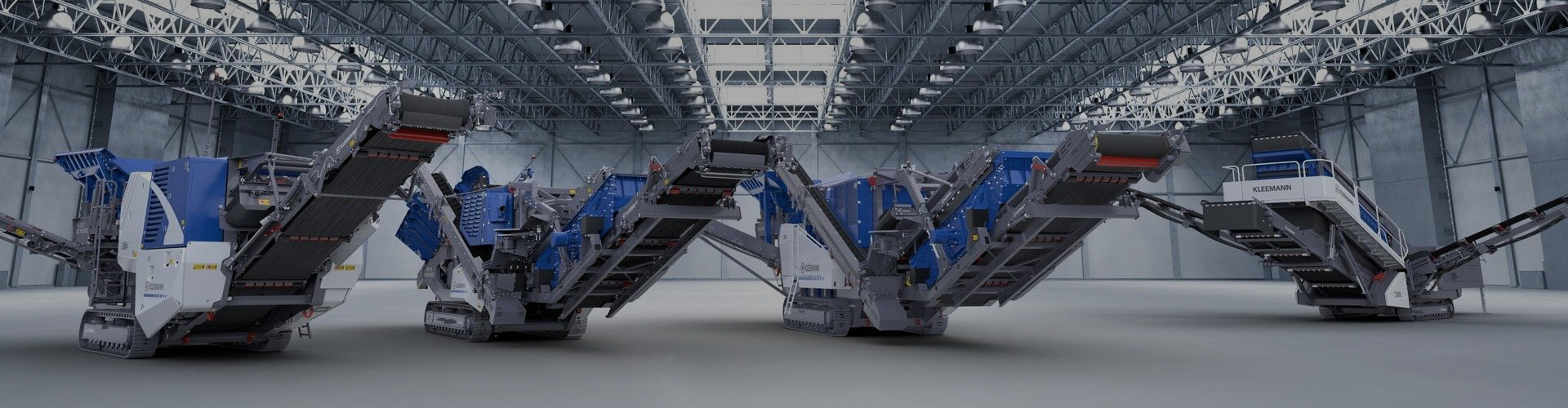
A crusher machine is one of the most important assets in aggregate production. Designed to break down raw materials into usable sizes, crushing systems help produce aggregates for road construction, concrete production, and infrastructure development.
Different types of crushers and screening equipment are used depending on production requirements and material characteristics. These systems enable quarry operators to achieve consistent particle sizes while improving overall efficiency.
Manufacturers such as Kleemann and other industry leaders provide advanced crushing technologies that support high-volume operations and optimize material processing.
Material Handling Solutions
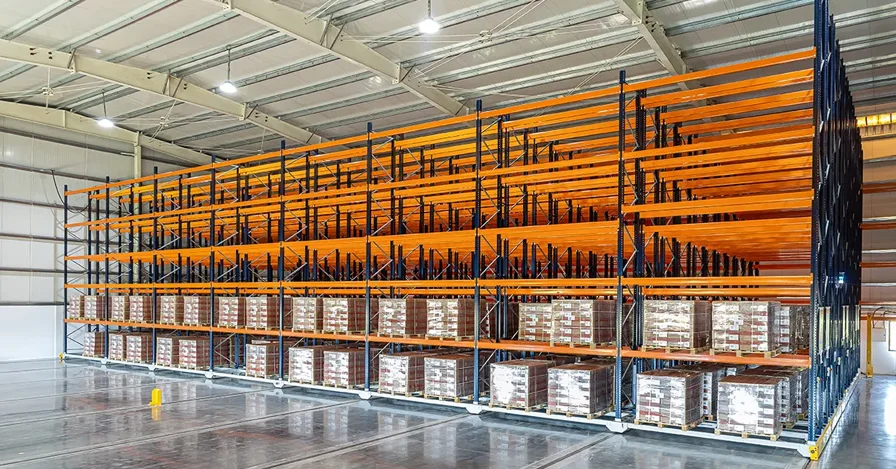
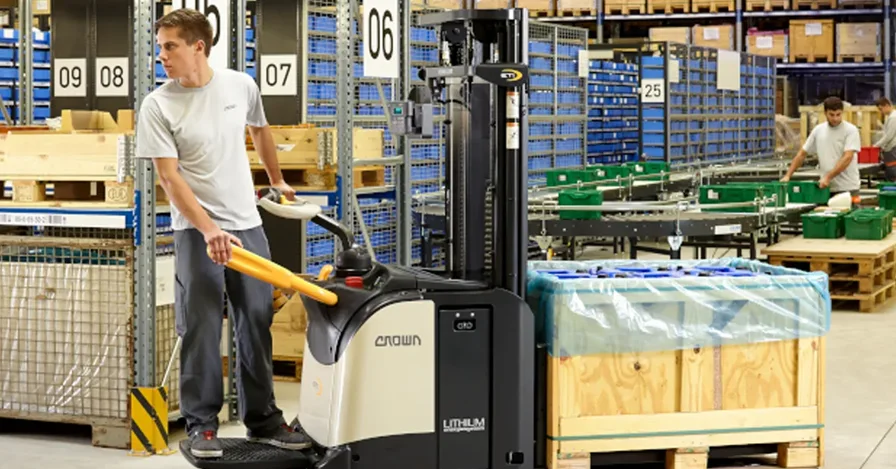
Efficient material movement is equally important in quarry operations. Conveyors, feeders, loaders, and mobile handling systems help transport aggregates throughout the production cycle.
Reliable aggregate equipment and supporting material handling systems contribute to smoother workflows and reduce unnecessary delays. In large-scale sites, operators often integrate Terex Minerals Processing and other heavy-duty solutions to improve material transportation and site productivity.
Factors to Consider When Selecting Aggregate Equipment
Production Capacity Requirements
Choosing the right equipment begins with understanding production goals and operational requirements. Factors such as material type, output demand, and processing capacity influence equipment selection.
A properly sized stone crusher helps maintain steady production while preventing bottlenecks. Matching equipment capacity with project requirements also enables quarry operators to optimize performance and improve resource utilization.
Selecting suitable quarry equipment ensures that production targets can be achieved efficiently without compromising material quality.
Equipment Durability and Maintenance
Aggregate and mining environments place significant demands on machinery. Durability and maintenance requirements should therefore be considered when investing in equipment.
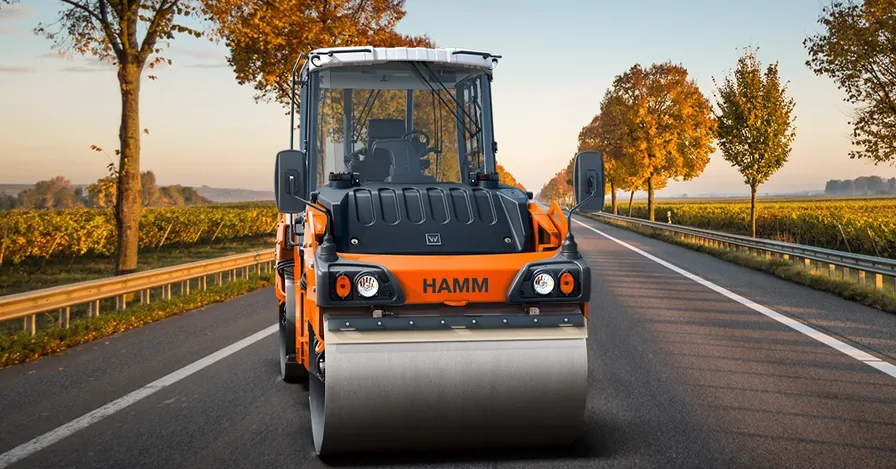
High-quality construction machinery is designed to withstand harsh operating conditions and deliver reliable performance over extended periods. Regular maintenance and preventive servicing help reduce unexpected breakdowns and maximize equipment availability.
Durable mining equipment also contributes to lower operating costs and supports long-term productivity.
Improving Efficiency in Material Processing
Reducing Downtime
Downtime can affect production schedules and increase operating expenses. Implementing preventive maintenance practices and utilizing reliable equipment can help minimize interruptions.
Modern crusher machines are equipped with advanced monitoring systems that support predictive maintenance and improve operational reliability. Efficient material handling systems and dependable quarry equipment further contribute to uninterrupted production.
Increasing Output and Profitability
Maximizing output requires a balanced combination of crushing, screening, and material handling capabilities. Efficient aggregate processing enables businesses to increase production while maintaining consistent product quality.
By integrating a stone crusher, aggregate equipment, and advanced material handling solutions, quarry operators can improve throughput and optimize profitability. High-performing construction machinery and specialized mining equipment also help support sustainable growth across aggregate operations.
Why Reliable Equipment Matters in Aggregate and Quarry Operations
Aggregate production requires equipment capable of delivering consistent performance under demanding conditions. From a crusher machine used for primary processing to specialized material handling systems, each component contributes to efficient operations and higher output.
Leading manufacturers such as John Deere, Kleemann, and Terex MPS provide solutions designed for crushing, screening, and aggregate processing applications. Their technologies help quarry operators improve productivity, enhance equipment reliability, and optimize material processing across a wide range of projects.
FAQs
What is the purpose of a stone crusher in quarry operations?
A stone crusher is used to reduce large rocks into smaller aggregate sizes suitable for construction, road building, and industrial applications.
What factors should be considered when selecting aggregate equipment?
Production capacity, material characteristics, durability, maintenance requirements, and operational efficiency are important factors when choosing aggregate equipment.
How can quarry operators reduce downtime?
Preventive maintenance, advanced monitoring systems, and reliable quarry equipment help minimize breakdowns and improve operational efficiency.
Conclusion
Selecting the right equipment is essential for achieving efficient and profitable aggregate production. From a high-performance stone crusher and advanced crusher machine to dependable aggregate equipment, every component contributes to material quality and operational success. Combined with durable construction machinery, specialized quarry equipment, and reliable mining equipment, modern processing solutions help operators increase output, reduce downtime, and support long-term productivity.