Selecting the right earthmoving equipment can significantly influence project efficiency, operating costs, and overall productivity. While both backhoe loaders and excavators are widely used in construction, infrastructure, and material handling applications, each machine offers distinct capabilities suited to different tasks. Understanding their differences helps contractors and project managers choose equipment that aligns with site requirements and operational goals.
Understanding Backhoe Loaders and Excavators
Applications of Backhoe Loaders
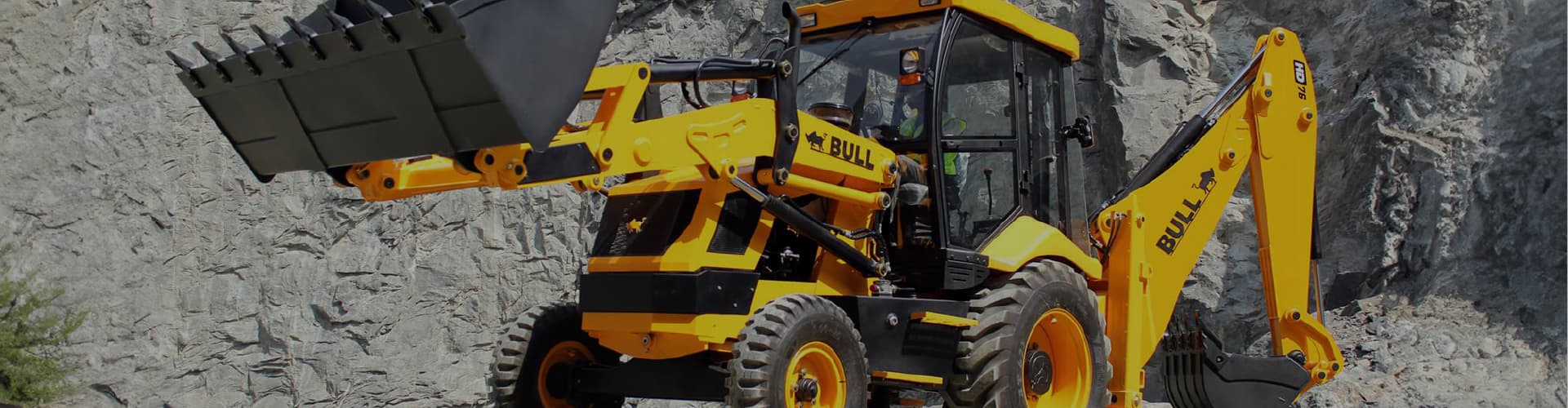
Backhoe loaders are versatile machines commonly used across construction, road maintenance, utility installation, and landscaping projects. Combining a front loader with a rear digging arm, these machines can perform multiple tasks without requiring additional equipment.
Common applications include:
- Trenching and excavation work
- Material loading and transportation
- Site preparation and grading
- Road repair projects
- Utility and pipeline installation
Their compact wheel loader design and multifunctional capabilities make backhoe loaders suitable for projects requiring flexibility and mobility.
Common Uses of Excavators
Excavators are designed for heavy-duty digging and large-scale earthmoving operations. Their powerful hydraulic systems and extended reach allow them to handle demanding applications across various industries.
Typical uses include:
- Deep excavation projects
- Demolition activities
- Mining and quarry operations
- River dredging and land development
- Large infrastructure projects
Excavators are often preferred when projects require higher digging capacities and greater operational efficiency.
Key Differences Between Backhoes and Excavators
Mobility and Versatility
One of the main differences between backhoe loaders and excavators lies in their mobility and versatility.
Backhoe loaders:
- Can travel easily between job sites.
- Perform loading and digging tasks with a single machine.
- Require less transportation support.
Excavators:
- Offer superior digging performance.
- Are available in various sizes for specialized applications.
- Excel in large-scale construction projects.
Projects involving multiple activities often benefit from the adaptability of backhoe loaders, while heavy excavation work generally favors excavators.
Digging Depth and Performance
Digging requirements play an important role when selecting construction machinery.
Backhoe loaders provide:
- Moderate digging depth.
- Efficient performance for utility and municipal projects.
- Greater flexibility for smaller job sites.
Excavators deliver:
- Higher digging force.
- Increased reach and lifting capacity.
- Better performance for extensive earthmoving applications.
Matching machine capabilities with project demands helps improve productivity and reduce operational delays.
Choosing the Right Earthmoving Equipment
Factors to Consider Before Investing
Before investing in earthmoving equipment, businesses should evaluate several operational factors, including:
- Project size and scope
- Required digging depth
- Site accessibility
- Material handling requirements
- Transportation and operating costs
- Future equipment utilization
Assessing these factors ensures that the selected machine supports both current and long-term project requirements.
Matching Equipment to Project Requirements
Different projects demand different equipment capabilities.
Backhoe loaders are suitable for:
- Urban construction projects
- Utility installations
- Landscaping work
- Small-to-medium excavation tasks
Excavators are better suited for:
- Large-scale infrastructure developments
- Deep excavation projects
- Mining operations
- High-volume earthmoving applications
Selecting equipment based on operational requirements helps maximize productivity and improve project efficiency.
Why Construction Professionals Prioritize Reliable Earthmoving Solutions
Construction projects require equipment that delivers performance, efficiency, and adaptability across diverse working environments. Understanding operational requirements, digging capacities, and site conditions enables contractors to select machinery that supports project objectives and minimizes downtime.
Leading equipment manufacturers such as Bull, Liebherr, and Avant provide specialized solutions designed for earthmoving, excavation, and material handling applications. Their equipment portfolios support infrastructure development, construction activities, and industrial operations while helping businesses achieve higher productivity and operational efficiency.
FAQs
What is the difference between a backhoe loader and an excavator?
A backhoe loader combines loading and digging functions within one machine, making it suitable for versatile applications. Excavators are designed primarily for heavy-duty excavation and offer greater digging depth and hydraulic power.
Which machine is better for small construction projects?
Backhoe loaders are generally preferred for small and medium-sized projects because they provide mobility, versatility, and the ability to perform multiple tasks with a single machine.
How do I choose the right earthmoving equipment?
Factors such as project size, digging depth, terrain conditions, material handling requirements, and operational costs should be evaluated when selecting construction machinery for specific applications.
Conclusion
Choosing between a backhoe loader and an excavator depends on project requirements, operating conditions, and performance expectations. Backhoe loaders offer versatility and mobility for multi-purpose applications, while excavators provide superior digging power for demanding earthmoving tasks. By aligning equipment capabilities with project needs, businesses can improve efficiency, optimize productivity, and support successful construction operations.